Marketing Law Fundamentals for FinTech Lawyers
Introduction to Marketing Law
What Is Marketing Law?
Marketing law is the set of rules that governs how companies promote and sell their products and services. It’s not just about what you say, but also what you don't say. The goal is to ensure that the information consumers receive is truthful, fair, and not misleading.
In the world of financial services, this is especially important. When people are making decisions about their money, whether it's taking out a loan, investing in a stock, or choosing a credit card, they rely on the information provided by financial institutions. Marketing law creates a framework to protect consumers and maintain trust in the financial system.
Think of it as the rulebook for commercial speech. It ensures a level playing field where companies compete based on the quality of their offerings, not on their ability to deceive.
This legal landscape covers several key areas: advertising, consumer protection, and fair competition. Advertising rules ensure claims are substantiated. Consumer protection laws shield people from unfair or abusive practices. Fair competition rules prevent any single company from dominating the market in a way that harms consumers or other businesses.
The Regulators
Several government agencies are responsible for creating and enforcing these rules. In the United States, three key players oversee marketing in financial services.
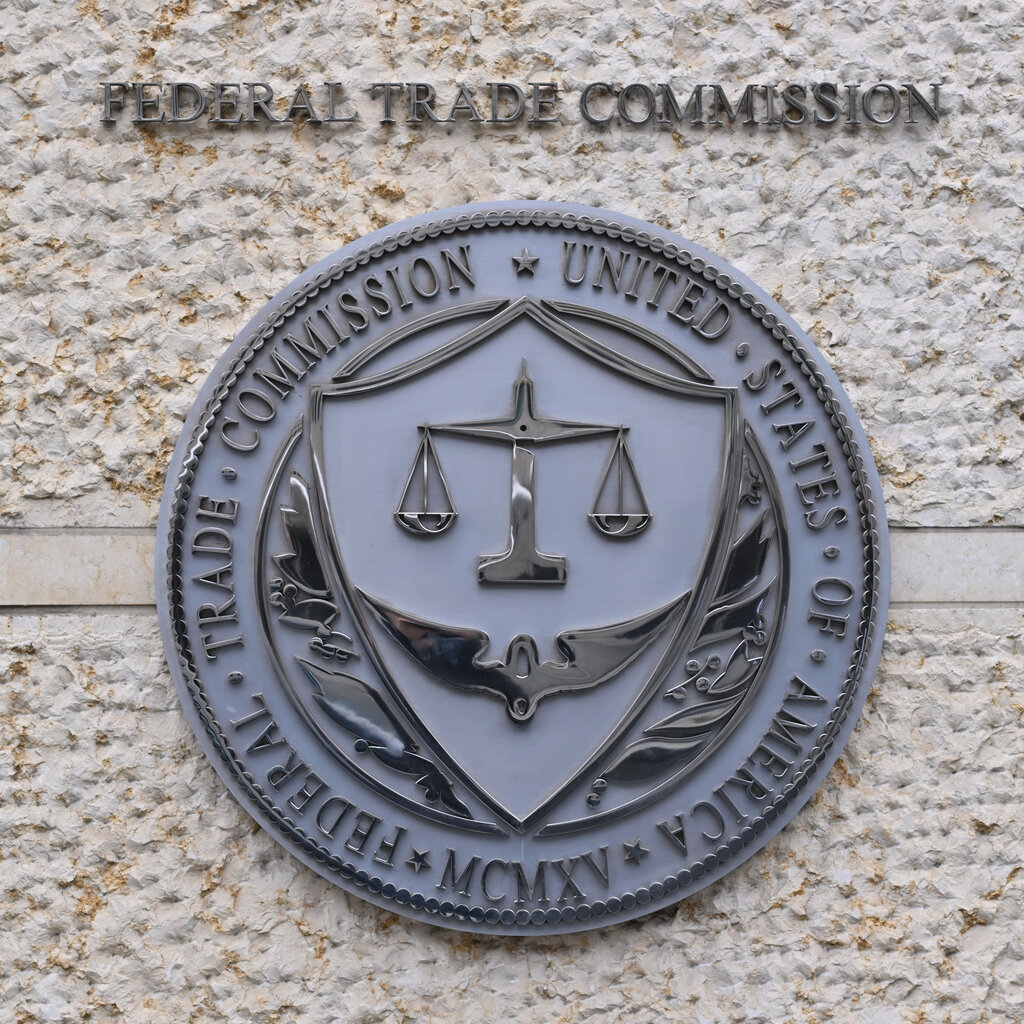
The Federal Trade Commission (FTC) is the main watchdog for advertising and marketing across most industries. Its primary mission is to stop deceptive, unfair, and anti-competitive business practices. If an ad makes a false claim, the FTC is the agency that steps in.
For financial products specifically, the Consumer Financial Protection Bureau (CFPB) plays a huge role. Created after the 2008 financial crisis, the CFPB's job is to make financial markets for consumer products and services work for Americans. They regulate everything from mortgages and credit cards to student loans, ensuring that the terms are clear and the marketing is fair.

Finally, the Securities and Exchange Commission (SEC) oversees the marketing of investments like stocks, bonds, and mutual funds. The SEC requires companies to provide truthful information to investors and works to prevent fraud. Any promotion related to an investment product falls under their jurisdiction to ensure investors are not misled about potential risks and returns.
Core Legal Principles
The rules set by these agencies are built on a few foundational ideas. The most important one is that advertising must be truthful and non-deceptive. This means companies need evidence to back up any claims they make. An advertisement is considered deceptive if it contains a statement, or omits information, that is likely to mislead reasonable consumers and is important to their decision to buy or use the product.
Another key principle is fairness. An advertising practice is unfair if it causes or is likely to cause substantial consumer injury which a consumer could not reasonably avoid. This is particularly relevant in financial services, where complex products can sometimes be marketed in ways that take advantage of consumers.
These principles are embedded in key pieces of legislation. For example, the Federal Trade Commission Act gives the FTC its power to act against deceptive practices, while the Dodd-Frank Act established the CFPB and gave it authority to protect consumers in the financial marketplace.
Ultimately, the law requires that marketing communications give consumers a clear and accurate picture, allowing them to make informed choices for their financial well-being.
When it comes to compliance, it's not a choice. Adhering to these laws is a fundamental part of doing business in financial services. Non-compliance can lead to severe penalties, including massive fines, legal battles, and significant damage to a company's reputation. More importantly, it erodes the trust that is essential for the financial system to function properly.
Building a marketing campaign that is both effective and compliant requires a deep understanding of this legal framework. It means every ad, brochure, and website has to be reviewed through a legal lens to ensure it's fair, transparent, and truthful.
Which U.S. government agency is the main watchdog for advertising and marketing practices across most industries, tasked with stopping deceptive and unfair business practices?
An advertisement is only considered deceptive if it contains a direct, false statement.
Marketing law provides the guardrails that ensure a fair and transparent marketplace, protecting both consumers and the integrity of the financial industry itself.