Marketing Genre-Bending Webnovel Fantasies on a Budget
Understanding Epic Fantasy
What Makes Fantasy Epic?
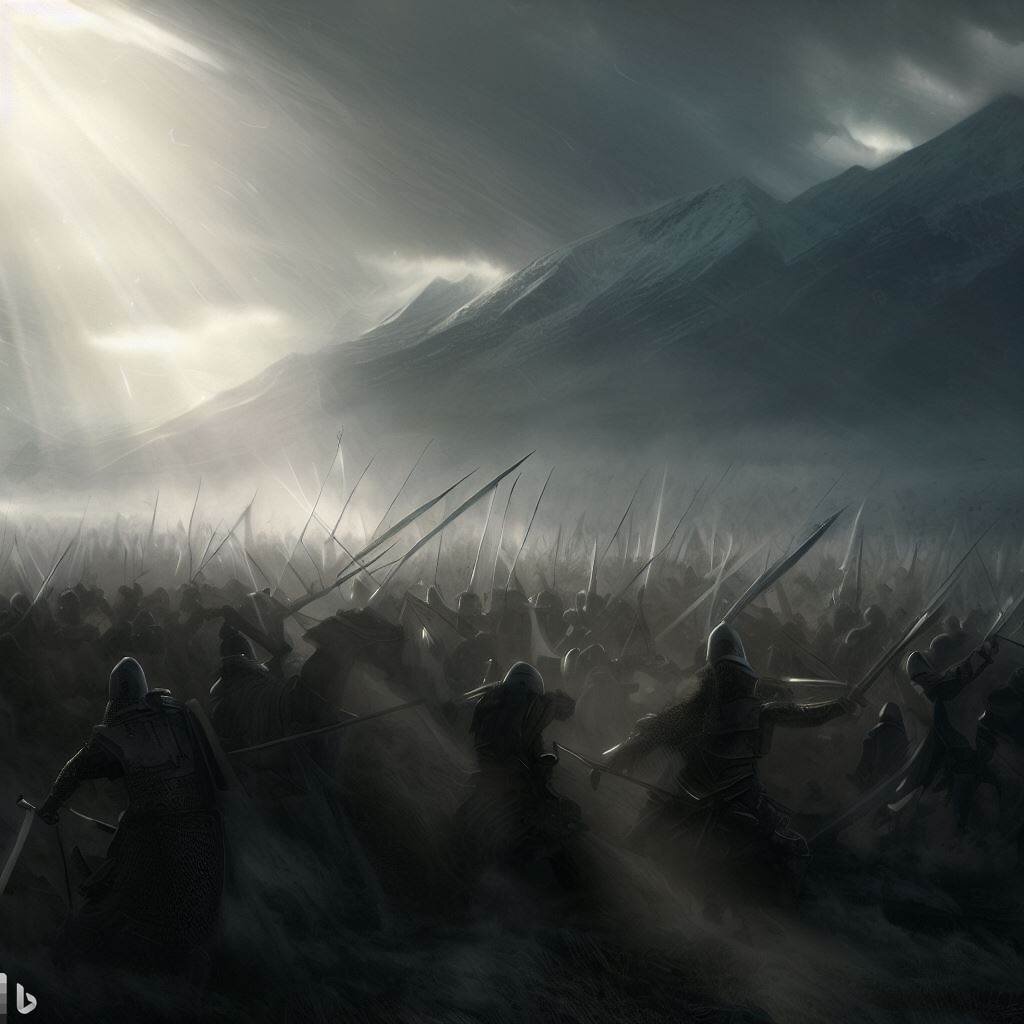
Epic fantasy is a subgenre defined by its immense scale. Think of stories that span continents, involve huge casts of characters, and feature conflicts that could decide the fate of the entire world. The stakes are rarely personal; they are global. These narratives often take place in a completely separate, invented world with its own history, geography, cultures, and laws of physics.
High Fantasy, often synonymous with Epic Fantasy, is set in an entirely fictional world, distinct from our own, filled with its own races, languages, and histories.
The plot typically revolves around a long, perilous journey or a massive war. A central element is often the classic struggle between good and evil, though modern epic fantasy increasingly explores morally complex characters and situations where the lines are blurred. Magic is usually a fundamental part of the world, but it often operates under a specific, well-defined system of rules.
The Building Blocks of Epic Tales
Like any genre, epic fantasy has its own set of recurring elements, or tropes. These aren't just clichés; they're narrative shortcuts that signal the type of story to the reader. They set expectations and provide a familiar framework for the author to build upon, subvert, or completely reinvent.
Fantasy book tropes serve as genre signals that help readers understand what kind of story they’re about to experience.
Recognizing these building blocks is key to understanding the genre. Here are a few common ones you'll encounter:
| Trope | Description |
|---|---|
| The Quest | A central journey to achieve a goal, like destroying an artifact or finding a lost city. |
| The Chosen One | A protagonist, often of humble origins, destined to save the world. |
| The Wise Mentor | An older, experienced character who guides the hero. |
| An Ancient Evil | A powerful, malevolent force that has returned to threaten the world. |
| The Fellowship | A diverse group of companions who join the hero on their journey. |
The best stories don't just repeat these tropes—they infuse them with fresh perspectives and unique twists.
What Readers Crave
Fans of epic fantasy are looking for a deep, immersive experience. They want to get lost in a world that feels as real and complex as our own. This desire for escapism is a huge draw.
Readers expect vast, immersive worlds where every detail serves the larger narrative.
Because of this, world-building is paramount. Readers appreciate intricate details about the history, cultures, and magic systems. They enjoy complex characters with clear motivations who grow and change over the course of the story. A satisfying plot, full of twists and high stakes, is essential to keep them turning the page.
Epic fantasy also frequently blends with other genres to create unique experiences. A story might mix the grand scale of epic fantasy with the gritty realism of grimdark fantasy, where heroes are flawed and victories come at a great cost. Another might combine it with political fantasy, focusing on intrigue, diplomacy, and the struggle for power within kingdoms. These blends keep the genre fresh and offer something for every type of reader.
Time to test your knowledge.
What is a defining characteristic of the epic fantasy subgenre?
According to the text, why is detailed world-building so important to fans of epic fantasy?
Understanding these core elements of epic fantasy helps you appreciate the architecture of these grand stories and what makes them resonate with so many readers.