Marketing Fundamentals Explained
Introduction to Marketing
What Is Marketing Anyway?
Marketing is often mistaken for just selling or advertising. While those are parts of marketing, they're not the whole story. Think of marketing as everything a company does to build a relationship with its customers.
At its core, marketing is a bridge. It connects a company's product or service to the people who need it.
This process starts long before a product hits the shelves. It involves understanding who the customers are, what they want, and how to create something that solves their problems or fulfills their desires. It’s about creating, communicating, and delivering value.
Marketing
noun
The collection of processes involved in creating, communicating, and delivering value to customers, and for managing customer relationships in ways that benefit the organization.
This means marketing influences the product itself, not just how it's promoted. It asks questions like: What features should this product have? How much should it cost? Where should people be able to buy it? And finally, how do we tell people about it? All these pieces work together.
A Quick Trip Through Time
Marketing has changed a lot over the years. It wasn't always about tweets and targeted ads.
In the early 1900s, the focus was mostly on production. Companies believed a good product would sell itself. Think of the Ford Model T. You could have it in any color, as long as it was black. The goal was to make things efficiently, not to cater to individual tastes.
By the mid-20th century, this shifted to a sales focus. With more competition, companies had to persuade people to buy their products over others. This was the golden age of the charismatic salesperson and aggressive advertising on TV and radio.
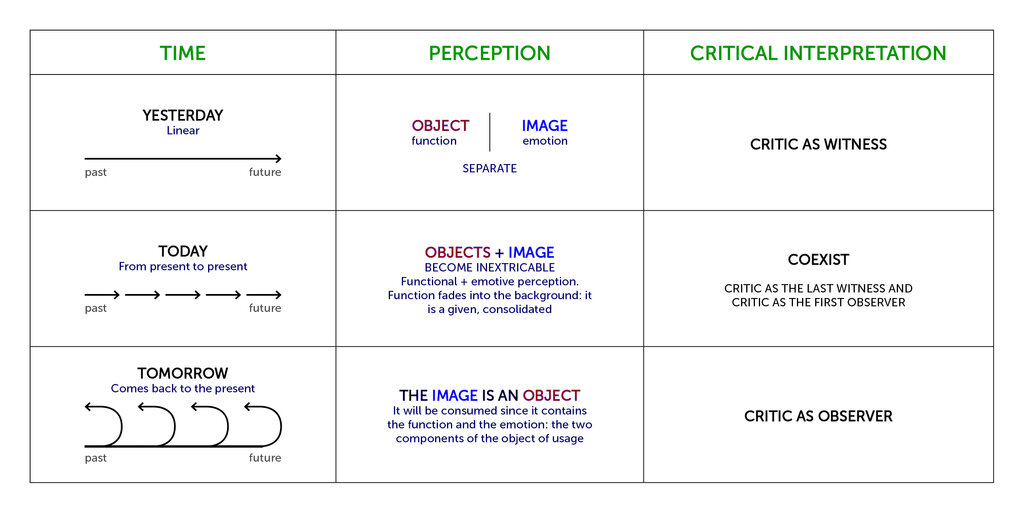
Today, we're in the relationship marketing era. The internet and social media have given customers more power and more choice than ever before. Now, the goal isn't just to make a single sale. It's to build a loyal community around a brand.
Companies now focus on listening to customers, personalizing experiences, and creating valuable content that helps people rather than just interrupts them. It's a two-way conversation, not a one-way broadcast.
Guiding Choices
Every day, you make hundreds of choices, and marketing plays a role in many of them. The brand of coffee you buy, the phone in your pocket, and the shows you watch are all influenced by marketing.
It works by connecting a product to an emotion or a need. A car commercial isn't just selling metal and wheels; it's selling freedom, safety, or status. A gym membership ad isn't just selling access to equipment; it's selling confidence and health.
Marketing doesn't create needs, but it can make you aware of a need you didn't know you had. It shapes perceptions and helps you decide which product is the right solution for you.
Think about the last time you bought a new pair of sneakers. Did you choose them purely based on technical specs, or did the brand's story, its association with a favorite athlete, or a friend's recommendation play a part? That's marketing in action. It builds trust and makes a product feel like the obvious, right choice.
Ultimately, marketing is fundamental to business because it drives growth. It attracts new customers, keeps existing ones coming back, and builds a strong reputation. Without it, even the most brilliant idea or revolutionary product would remain a secret.
According to the relationship marketing era, what is the primary goal for companies today?
Marketing's role is limited to advertising and selling a product after it has been fully developed.
Marketing is a dynamic field, but its core purpose remains the same: to connect value with need in a way that benefits both the business and the customer.