Marketing for Law Firms
Introduction to Legal Marketing
What Is Legal Marketing?
Legal marketing is the process of attracting and retaining clients for a law firm. It's not just about running ads or having a nice website. It's a comprehensive strategy that includes everything from building a reputation to managing client relationships.
In today's crowded legal market, having strong legal skills isn't always enough. Potential clients have more choices than ever. Marketing helps your firm stand out, connect with the people who need your services, and build the trust necessary for them to choose you. It's how you turn your legal expertise into a sustainable practice.
Marketing is critical for attracting clients and establishing a strong reputation.
Think of it as a bridge. On one side are people with legal problems, often feeling stressed and uncertain. On the other side is your firm, with the expertise to help them. Marketing is the bridge that connects the two.
Unique Challenges
Marketing a law firm isn't like marketing a new smartphone or a pair of sneakers. The stakes are much higher. Clients aren't looking for a product; they're looking for a trusted advisor to guide them through some of the most difficult times in their lives.
This creates a few unique challenges. First, trust is everything. A flashy ad campaign might grab attention, but it won't build the deep credibility needed to convince someone to entrust you with their legal matters. Second, legal services are complex and intangible. You can't show someone a demo of a successful court case. You have to communicate your value through your expertise, reputation, and professionalism. Finally, the industry is steeped in tradition and skepticism about advertising, making it a delicate balancing act.
Rules of the Road
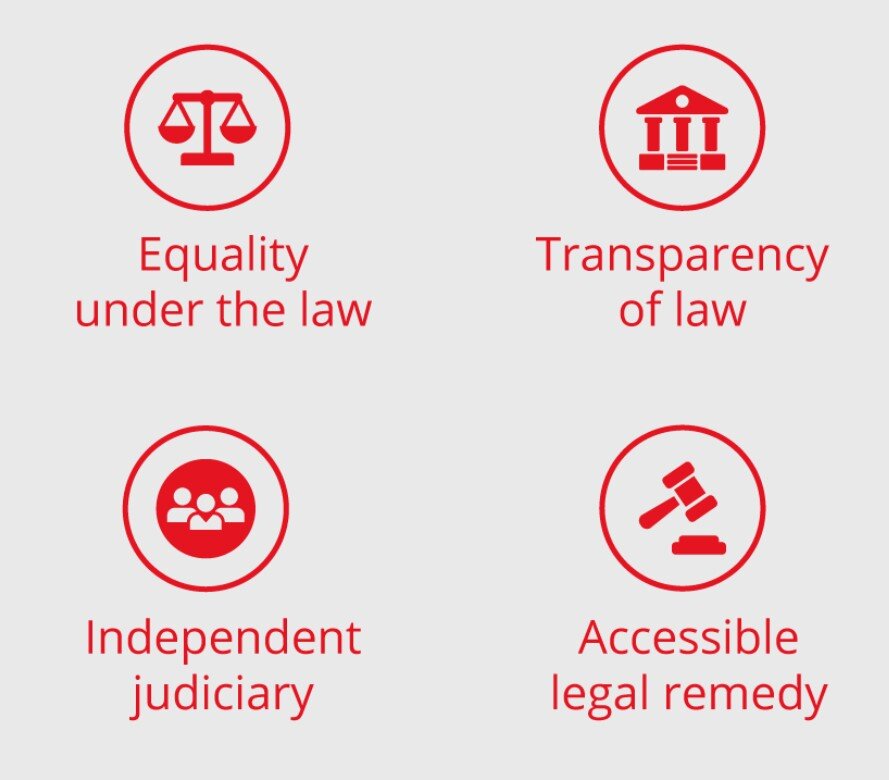
The legal profession is governed by strict ethical rules, and marketing is no exception. These regulations are in place to protect the public from misleading or false claims. Violating them can lead to serious consequences, including disciplinary action.
Every jurisdiction has its own specific rules, but some general principles apply almost everywhere.
You can't guarantee results. It's unethical to promise a specific outcome in a legal case, such as “We guarantee you’ll win.” Your marketing should focus on your experience, process, and dedication, not on making promises you can't keep.
Avoid misleading statements. Your advertising must be truthful. You can't call yourself a “specialist” unless you've been officially certified as one by a recognized authority. Any claims about your firm’s success, like case results, must be accurate and verifiable, and often require a disclaimer.
Finally, client confidentiality is sacred. While testimonials can be a powerful tool, you must have your client's explicit permission before sharing their story or even their name.
Advertising is a powerful method of gaining new clients, but it must be honest, especially for legal professionals.
Finding Your Audience
You can't be everything to everyone. A key part of successful legal marketing is identifying your target audience. Who is your ideal client? A large corporation navigating complex regulations? A family planning their estate? An individual facing a personal injury?
Knowing your audience allows you to tailor your message and marketing efforts. For example, a firm specializing in tech startups might focus on online platforms and industry publications. A family law practice, on the other hand, might find more success through community involvement and local referrals.
| Practice Area | Potential Target Audience | Where to Reach Them |
|---|---|---|
| Corporate Law | Startups, large corporations | Industry journals, LinkedIn, networking events |
| Family Law | Individuals, couples | Community groups, local publications, referrals |
| Personal Injury | Accident victims | Local advertising, healthcare provider referrals |
| Estate Planning | Families, retirees | Financial planners, community seminars |
Answering these questions helps you focus your resources where they will have the most impact, ensuring your message resonates with the people who need you most.
Building Your Firm's Brand
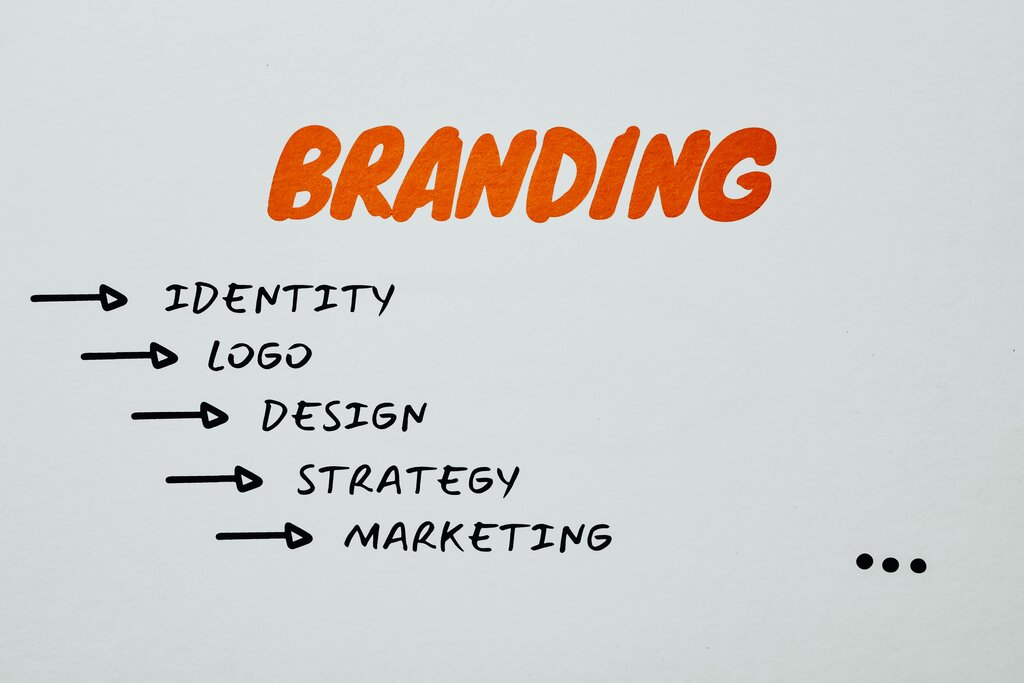
A brand isn't just a logo or a catchy slogan. For a law firm, your brand is your reputation. It's what people think and feel when they hear your firm's name. It’s the sum of every interaction someone has with your firm, from a website visit to a phone call with your receptionist.
A strong brand communicates your firm’s values, expertise, and what makes you different from the competition. Are you known for being aggressive and tenacious in the courtroom? Or are you seen as compassionate, collaborative problem-solvers?
Building this brand takes time and consistency. Every piece of marketing material, every client interaction, and every public statement should reflect the identity you want to create. This consistency builds recognition and, most importantly, trust.
With these fundamentals in place, a law firm can build a marketing strategy that is not only effective but also ethical and professional. It’s about building relationships, demonstrating value, and earning the trust of the clients you serve.
Ready to check your understanding of these core concepts?
What is the primary role of legal marketing?
Why is trust considered a unique and critical challenge in legal marketing compared to marketing consumer goods?
By understanding these foundations, you're better prepared to create a marketing approach that respects the profession's rules while effectively growing your practice.