Marketing and Critical Thinking for High Schoolers
Introduction to Critical Thinking
What Is Critical Thinking?
Critical thinking isn’t about being critical or negative. It's about being an active, not a passive, thinker. Instead of just accepting information as it's presented, a critical thinker questions it, analyzes it from different angles, and evaluates its validity.
Think of your mind like a detective's office. When a new piece of information arrives, you don't just file it away. You examine it for clues, check its sources, and see how it connects to what you already know. You're looking for the truth, not just the easy answer.
Critical thinking is clear, reasonable, reflective thinking focused on deciding what to believe or do.
This skill is crucial in a world overflowing with information. It helps you separate fact from opinion, identify misleading arguments, and make well-reasoned decisions in your personal life, your studies, and your career.
The Building Blocks of Thinking
Critical thinking can be broken down into three core components: analysis, evaluation, and inference. Mastering these skills allows you to deconstruct any argument or piece of information you encounter.
Analysis is the first step. It means breaking down complex information into smaller, more manageable parts. What are the main points? What evidence is being used to support them? What assumptions are being made?
Next comes evaluation. This is where you judge the quality and credibility of the information. Is the source reliable? Is the evidence strong and relevant? Are the arguments logical, or do they contain flaws?
Finally, you use inference to draw conclusions. Based on your analysis and evaluation, what is the most logical conclusion you can reach? An inference isn't just a guess; it's an educated conclusion based on evidence and reason.
Spotting Faulty Thinking
Our brains are wired with mental shortcuts, known as cognitive biases, to help us make quick decisions. But these shortcuts can lead to errors in judgment. A key part of critical thinking is recognizing these biases in ourselves and others.
One of the most common is confirmation bias. This is our natural tendency to favor information that confirms what we already believe and to ignore information that challenges our views. It feels good to be right, so our brain seeks out evidence that supports our existing opinions.
For example, if you believe a certain brand of phone is the best, you're more likely to click on and remember positive reviews for it while dismissing negative ones as biased or uninformed.
Another trap is the logical fallacy, which is a flaw in reasoning that makes an argument invalid. A common one is the 'ad hominem' fallacy, where someone attacks the person making an argument instead of addressing the argument itself. For example, saying "You can't trust his opinion on the economy, he dresses poorly" is an ad hominem attack. The person's fashion sense has no bearing on their economic expertise.
Why It Matters
Developing your critical thinking skills has benefits that extend into every corner of your life. In academics, it helps you understand complex topics, write more persuasive essays, and evaluate research sources effectively. You move beyond simple memorization to a deeper level of understanding.
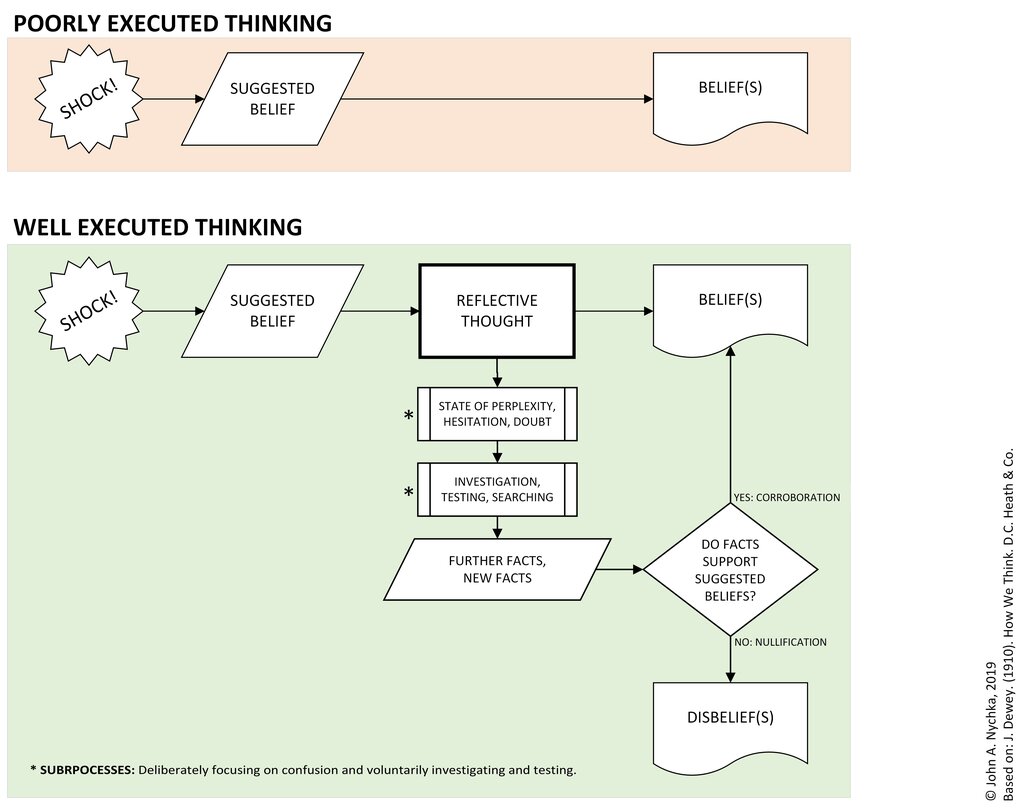
In daily life, critical thinking empowers you to make better choices. From deciding which news sources to trust to making a major purchase or even just navigating a disagreement with a friend, the ability to think clearly and rationally is invaluable. It helps you become a more informed citizen, a more discerning consumer, and a more effective problem-solver.
Ready to test your understanding? This quiz will cover the core ideas we've just discussed.
Which of the following best describes the primary goal of a critical thinker?
When you break down a complex argument into its main points and supporting evidence, you are primarily using the skill of ______.
By practicing these fundamental skills, you build a foundation for clear, logical, and independent thought.