Marketing Analytics and Advanced Statistics
Introduction to Marketing Analytics
What Is Marketing Analytics?
Marketing analytics is the practice of using data to make better marketing decisions. Instead of guessing what customers want or which ad campaigns are working, you use real information to guide your strategy. It’s about replacing “I think” with “I know.”
Think of it like a ship's captain navigating the ocean. The captain doesn't just point the ship in a general direction and hope for the best. They use tools like a compass, GPS, and weather charts to understand their position, plot a course, and avoid storms. Marketing analytics provides the same kind of tools for your business. It helps you see where you are, where you want to go, and the best way to get there.
Essentially, analytics turns guesswork into a science, allowing you to understand marketing performance and optimize it for the best results.
The Power of Data-Driven Decisions
Relying on data rather than intuition has some huge advantages. First, it helps you understand your customers on a deeper level. Analytics can reveal who your customers are, where they live, what they're interested in, and how they interact with your brand. This knowledge allows you to tailor your messages and products to what people actually want.
Second, it makes your marketing more efficient. Every dollar you spend on marketing should work hard for you. Analytics shows you which channels and campaigns are delivering the best return on investment (ROI). You can then double down on what’s working and cut back on what isn’t, saving money and improving results.
Use analytics tools to gain insights into customer behavior and preferences, allowing you to refine your marketing messages, offers, and overall customer experience.
Finally, data-driven marketing allows you to measure your success accurately. You can track key metrics to see if you’re hitting your goals. This process of measuring, learning, and iterating is what drives continuous improvement.
Tools of the Trade
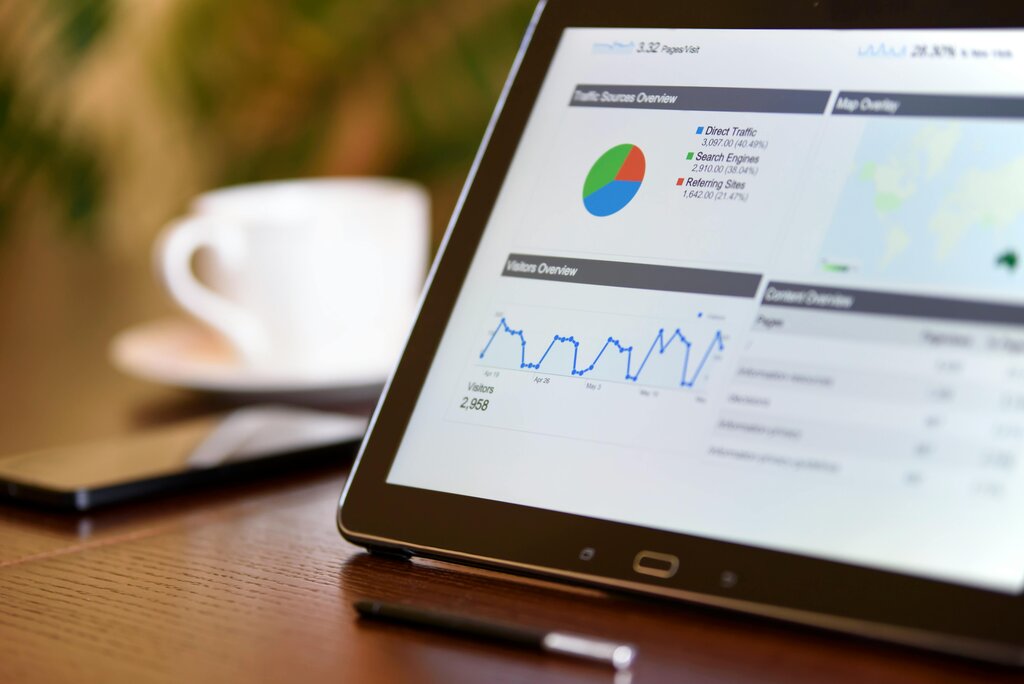
To perform marketing analytics, you need the right tools and techniques. You don't need to be a data scientist to use them, but knowing what's out there is the first step. These tools help you collect, analyze, and visualize data so you can pull out meaningful insights.
| Tool Category | What It Does | Common Example |
|---|---|---|
| Web Analytics | Tracks website traffic and user behavior. | Google Analytics |
| Social Media Analytics | Monitors engagement and sentiment on social platforms. | Sprout Social, Hootsuite |
| CRM Analytics | Analyzes customer data from sales and support interactions. | Salesforce, HubSpot |
| Email Marketing Analytics | Measures open rates, click-through rates, and conversions. | Mailchimp, Constant Contact |
Beyond specific tools, key techniques include A/B testing (comparing two versions of something to see which performs better), customer segmentation (grouping customers based on shared characteristics), and ROI analysis (calculating the return from a marketing investment). These approaches provide the framework for turning raw data into actionable strategies.
Ready to check your understanding?
What is the primary goal of marketing analytics?
According to the text, which of the following is NOT a direct benefit of using marketing analytics?
By embracing marketing analytics, you shift from simply executing campaigns to strategically building a marketing engine that learns and improves over time. It's the foundation of modern, effective marketing.