Market Research to Business Analyst Career Jumpstart
Understanding Business Analysis
What is Business Analysis?
Business analysis is the practice of identifying business needs and finding solutions to business problems. Think of a Business Analyst (BA) as a translator. They stand between the business side of a company (like marketing or sales) and the technical side (like IT or engineering), making sure everyone understands each other.
The main goal is to help an organization change and improve. This could mean streamlining a process, launching a new software application, or adjusting a company's strategy. BAs investigate issues, analyze data, and define the requirements for a solution. Ultimately, they ensure that any change made delivers real value to stakeholders, like customers or employees.

The Role of a Business Analyst
A Business Analyst wears many hats. Their day-to-day work involves investigating problems and opportunities, then figuring out the best way forward. They are detectives, diplomats, and planners all in one.
The core of the BA's role is to define what a project or system needs to do to be successful. They gather information from various people, document it clearly, and make sure the final product meets the original business goals.
Key responsibilities include talking with stakeholders to understand their needs, writing detailed requirements (often as "user stories" that describe a feature from a user's perspective), and analyzing the impact of proposed changes on the business and its technology. They act as a vital link, ensuring the development team builds what the business actually needs.
BA vs. Market Research Analyst
Though their titles sound similar, a Business Analyst and a Market Research Analyst have different jobs. The main difference lies in their focus: one looks inward, and the other looks outward.
| Feature | Business Analyst | Market Research Analyst |
|---|---|---|
| Primary Focus | Internal processes, systems, and organizational needs | External market conditions, customers, and competitors |
| Scope | Improving how the organization operates | Understanding the marketplace and identifying opportunities |
| Key Questions | "How can we make this process more efficient?" | "What do our potential customers want?" |
| End Goal | A solution that improves business performance | Insights that inform marketing and business strategy |
In short, a Business Analyst works to optimize the company from the inside out. A Market Research Analyst studies the world outside the company to find its place within it.
Core Skills and Tools
To succeed as a BA, you need a mix of skills. Strong analytical and critical thinking abilities are essential for digging into problems and understanding their root causes. Problem-solving is what you do with that analysis—coming up with practical solutions.
Communication is just as important. BAs must be able to listen carefully to stakeholders, ask the right questions, and explain complex ideas clearly to different audiences, from executives to software developers.
BAs use various tools and methodologies to organize their work. These aren't necessarily complex software, but often simple frameworks for thinking. One common tool is process mapping, which creates a visual flowchart of how a task is completed. This helps identify bottlenecks or areas for improvement.
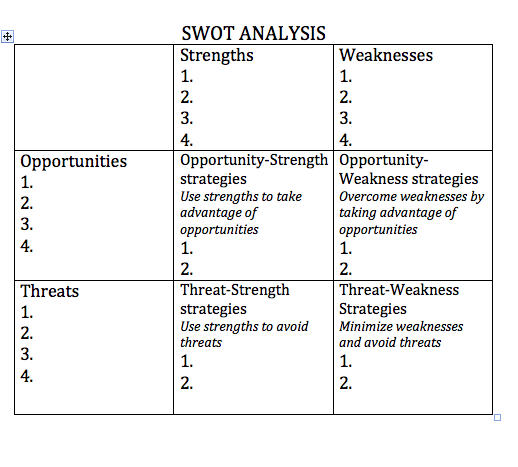
Another foundational tool is the SWOT analysis, which helps evaluate a company's Strengths, Weaknesses, Opportunities, and Threats. This framework provides a structured way to assess a situation and inform strategic decisions.
Now that you have a foundational understanding, let's test your knowledge.
What is the primary role of a Business Analyst within an organization?
A key difference between a Business Analyst and a Market Research Analyst is that a Business Analyst focuses primarily on ______ issues, while a Market Research Analyst focuses on ______ factors.
Understanding these core concepts is the first step in exploring the world of business analysis, a field dedicated to making organizations smarter, faster, and more effective.