Market Makers Explained
Introduction to Market Making
The Market's Middlemen
Imagine trying to sell a rare comic book. You'd have to find a specific buyer who wants that exact issue and agrees on a price. This could take days or weeks. Now, what if there was a shop that was always willing to both buy that comic from you and sell it to someone else? That shop would make the process instant.
In financial markets, this shop is called a market maker. It's a firm or individual that continuously quotes two prices for an asset: a price to buy it and a price to sell it. By always being ready to trade, market makers ensure that there’s a constant flow of activity, making it easy for anyone to get in or out of a position.
The primary role of a market maker is to provide liquidity, which is just a way of saying they make assets easy to buy and sell without causing a big price swing.
The Bid, the Ask, and the Spread
Market makers operate using two key prices:
- The Bid Price: The price at which the market maker is willing to buy an asset from you.
- The Ask Price: The price at which the market maker is willing to sell an asset to you.
The ask price is always higher than the bid price. The difference between these two prices is called the bid-ask spread. This spread is how the market maker gets paid for their service.
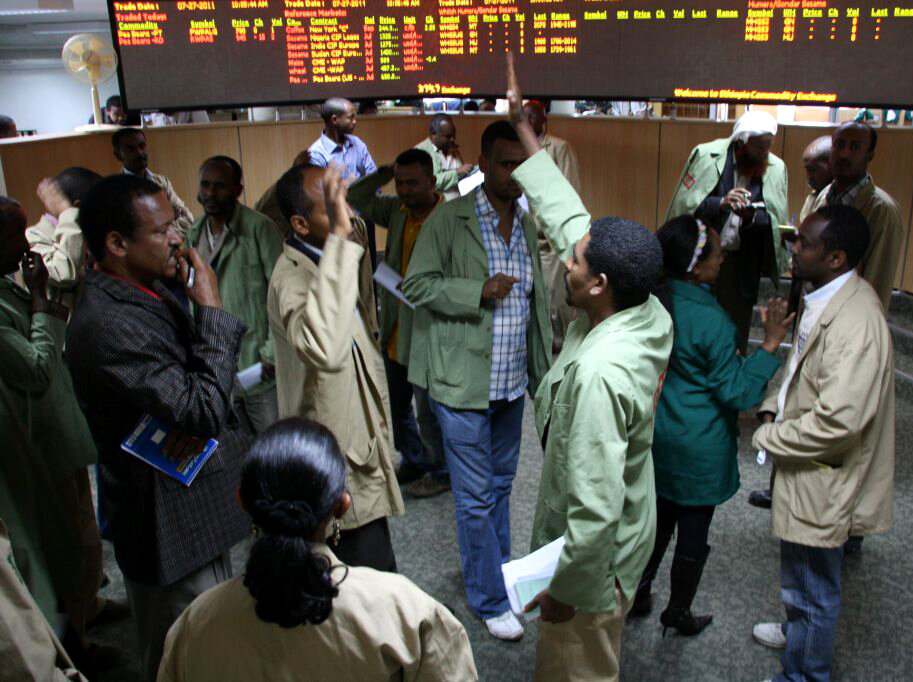
Think of it like a currency exchange booth at the airport. They'll buy US dollars from you for one price and sell them back to you for a slightly higher price. That small difference is their profit for providing the convenience of immediate exchange.
For a market maker, the goal is to buy at the lower bid price and sell at the higher ask price, capturing the spread. They aren't betting on whether the asset's price will go up or down. Instead, they profit from the volume of transactions they facilitate.
| Term | Example Price | Description |
|---|---|---|
| Bid | $100.00 | The price the market maker pays to buy a share. |
| Ask | $100.05 | The price the market maker accepts to sell a share. |
| Spread | $0.05 | The market maker's potential profit per share traded. |
Why This Matters
Without market makers, markets would be much less efficient. Imagine you want to sell a stock, but there are no buyers at that exact moment. You'd either have to wait, or dramatically lower your price to attract someone. This creates a choppy, unpredictable market with wide price swings.
Market makers solve this by stepping in to be the buyer when no one else is around. Their constant presence ensures that trades can happen smoothly and at fair prices. This stability and reliability is known as liquidity.
A market with many active market makers competing with each other will have very tight bid-ask spreads. This is good for investors because it means the cost of trading is low.
In essence, market makers are the grease in the gears of the financial markets, allowing them to run smoothly and efficiently.
This continuous quoting also helps everyone agree on what an asset is worth, a process called price discovery. The bid and ask prices signal the current supply and demand. If more people are buying, market makers might raise both their bid and ask prices to reflect the increased demand. If more are selling, they might lower them.
This constant adjustment, happening thousands of times a second, helps the entire market find the true equilibrium price for an asset.
Let's check your understanding of these core concepts.
What is the primary function of a market maker?
A market maker's profit is primarily generated from the difference between the bid price and the ask price. What is this difference called?
By providing liquidity and aiding in price discovery, market makers play a vital, though often invisible, role in the health and stability of financial markets.