Market Intelligence Data Analysis Mastery
Introduction to Market Intelligence
What Is Market Intelligence?
Market intelligence is the process of gathering and analyzing information about a company's market. Think of it like a captain navigating a ship. The captain needs maps, weather forecasts, and reports on other ships to make smart decisions and reach the destination safely. For a business, market intelligence is that collection of maps and forecasts.
It helps a company understand its industry, competitors, customers, and market trends. This isn't just about collecting data; it's about turning that data into actionable insights. With good market intelligence, a business can spot new opportunities, anticipate shifts in the market, and understand what customers truly want.
The goal is simple: to make informed strategic decisions instead of guessing what might work.
This knowledge reduces risks. Launching a new product is less of a gamble if you know there's a specific group of customers waiting for it. Expanding into a new city is safer if you understand the local competition and consumer habits. Essentially, market intelligence provides the clarity needed to navigate the complex world of business.

The Role of Data Analysis
If market intelligence is the navigation system, then data is the fuel. Data analysis is the engine that processes this fuel, turning raw information into meaningful insights. Without analysis, data is just a collection of numbers and facts with no context.
Data analysis in this field involves looking for patterns, correlations, and trends. It answers questions like: Which customer segment is most profitable? What marketing campaigns are driving the most sales? How do our prices compare to our main competitor's?
Data analysis is a cornerstone of business intelligence, providing critical insights that drive strategic decision-making.
This process uses a wide range of information from different sources. By combining and analyzing this data, businesses can build a comprehensive picture of their market landscape.
| Data Source | Example |
|---|---|
| Internal Sales Data | Tracking which products sell best in different regions. |
| Customer Surveys | Asking customers to rate their satisfaction with a service. |
| Social Media | Monitoring mentions of your brand versus competitors. |
| Competitor Websites | Analyzing pricing changes and new product announcements. |
| Industry Reports | Using forecasts to understand market size and growth potential. |
Analyzing Market Behavior
A key part of market intelligence is understanding market behavior, which focuses on the actions of consumers and competitors. It’s about digging into the why behind the data. Why did sales for a certain product spike last month? Why are customers choosing a competitor's product over ours?
For example, a coffee shop might notice from its sales data that sales of iced coffee drop significantly in the winter. That's a basic observation. Market behavior analysis goes deeper. By surveying customers, the shop might learn that people switch to hot drinks not just because of the cold, but because they associate winter with specific flavors like peppermint or gingerbread.
This insight is far more valuable. Now, instead of just accepting lower iced coffee sales, the shop can introduce a popular line of seasonal hot drinks to capture that winter demand. This is how analyzing behavior leads directly to a business strategy.
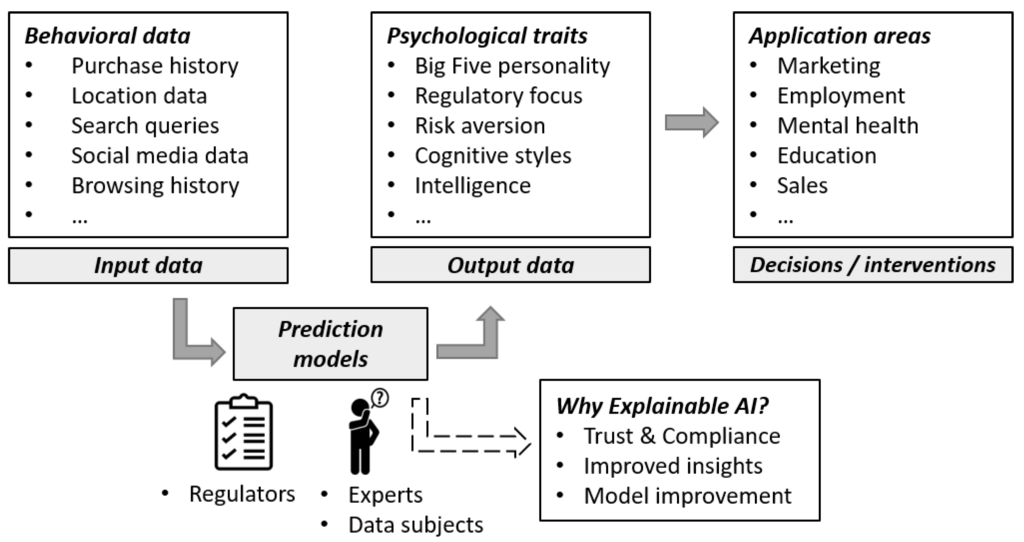
Understanding market behavior also involves watching competitors. If a rival launches a successful loyalty program, analyzing its structure and customer response can inform your own strategy. It's not about copying them, but about understanding what works in the market and adapting it to your own business.
Ready to check your understanding of these core concepts?
What is the primary role of market intelligence in a business, based on the provided analogy?
Data analysis is crucial because it turns raw information into actionable insights.
By mastering these fundamentals, you can begin to see how data-driven insights form the backbone of successful business strategy.