Maritime Mercantile Liverpool and Beyond
Industrial Port Expansion
The Dock That Changed Everything
Before the 18th century, Liverpool's port, like most others, was at the mercy of the River Mersey's powerful tides. Ships would be stranded in the mud at low tide, making loading and unloading a slow, chaotic, and often damaging process. This inefficiency was a major bottleneck for a town with growing ambitions.
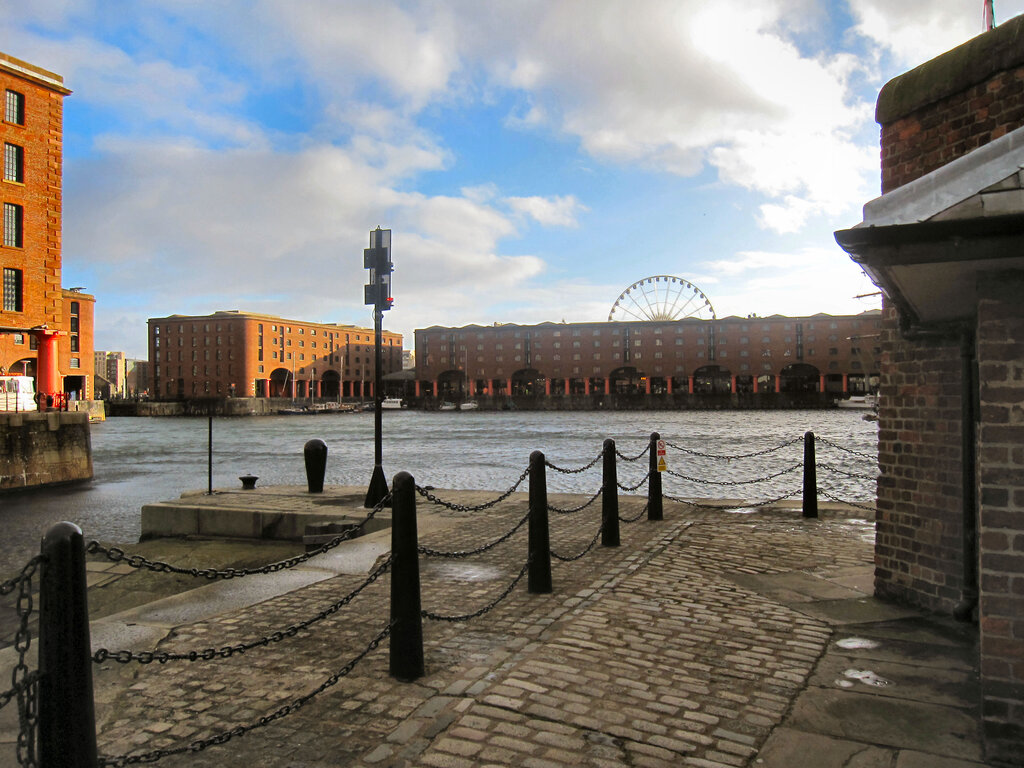
The solution, radical for its time, was the world's first commercial wet dock. Opened in 1715 and engineered by , the Old Dock was a simple yet brilliant concept. A section of the river pool was enclosed with lock gates, trapping water at high tide. This created a stable, deep-water basin where ships could remain afloat at all times, regardless of the river's state. Productivity soared. Ships could be turned around in under two days, compared to the weeks it might have taken before. This innovation set a new global standard for port engineering, and Liverpool never looked back.
The Arteries of Industry
A world-class port is useless without efficient connections to its industrial heartland. For Liverpool, this meant tapping into the booming mills and mines of Lancashire. The first great artery was the Leeds and Liverpool Canal, completed in stages throughout the late 18th and early 19th centuries. This waterway became the primary conduit for heavy, bulky goods. Barges laden with coal, limestone, and other raw materials moved slowly but cheaply from the interior to the waiting ships in the Mersey.
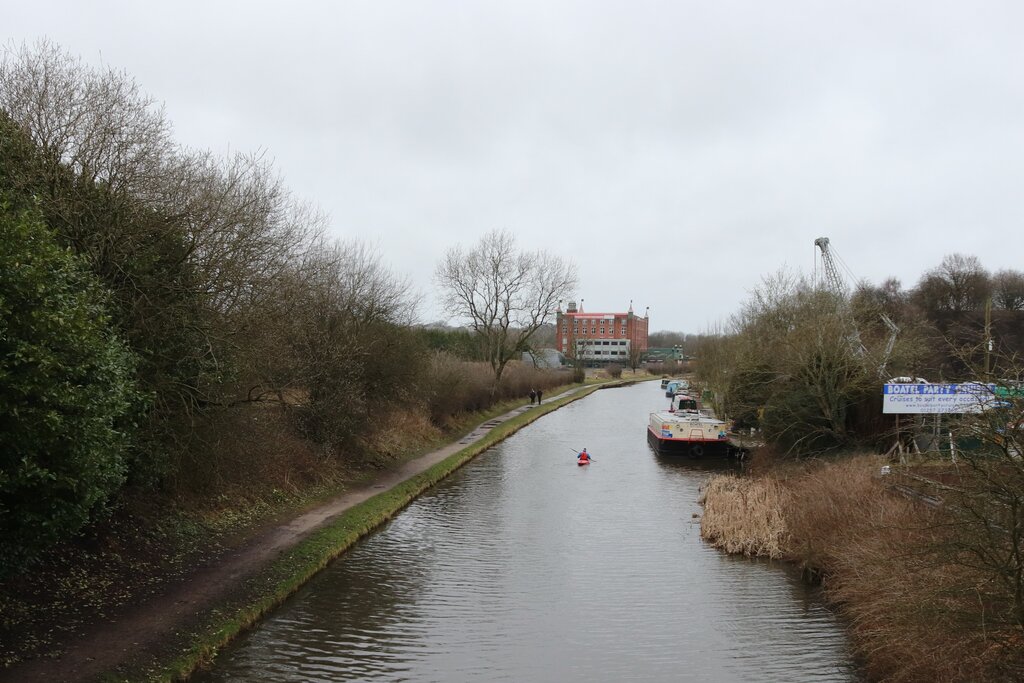
While the canal was perfect for raw materials, a faster solution was needed for high-value manufactured goods. The , opened in 1830, was that solution. It was the world's first inter-city railway, designed specifically to move finished cotton textiles from Manchester's mills to Liverpool's docks for export to the world. This rail link slashed transport times and costs, effectively turning Liverpool into the primary export funnel for Britain's most valuable industrial product.
The final piece of the puzzle was the shift from sail to steam. Steamships were larger, faster, and not dependent on the wind. Liverpool's dock system expanded continuously throughout the 19th century, with deeper, larger, and more specialised docks built to accommodate these new iron-hulled giants. This technological synergy of docks, canals, and railways cemented Liverpool's position as a global logistics leader.
A City of Contrasts
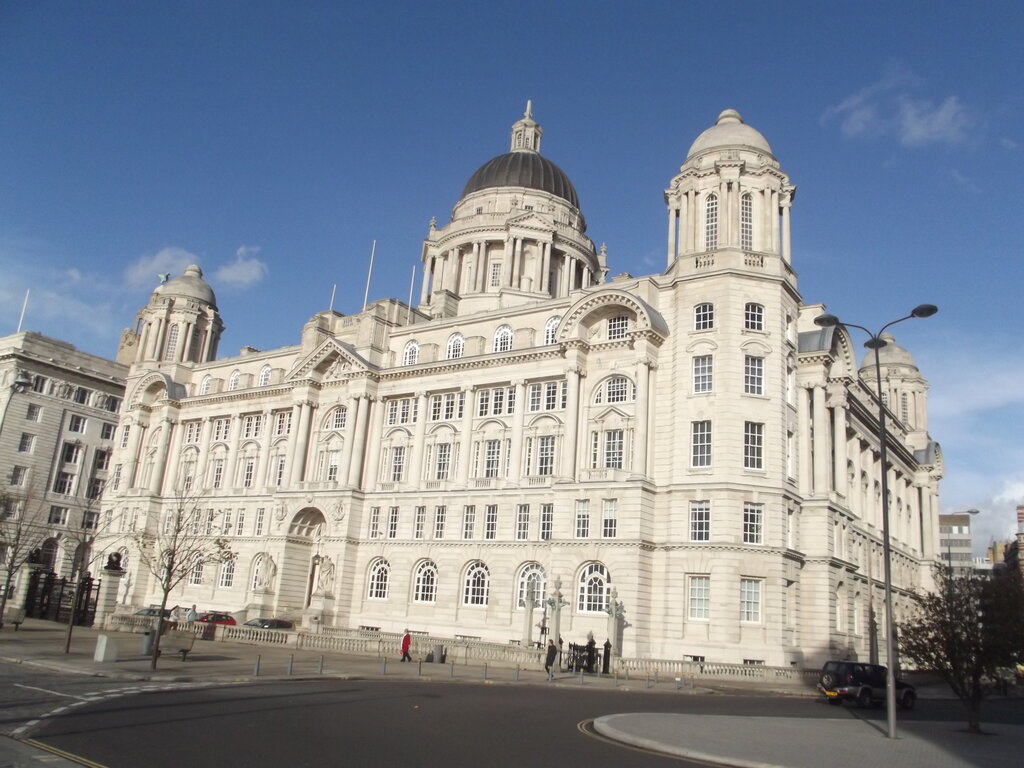
This explosive growth created a city of stark social divisions. On one hand were the immensely wealthy merchants, shipowners, and financiers. They built opulent offices, grand homes, and cultural institutions, transforming Liverpool's civic landscape. Their fortunes were built on the global trade passing through the docks they controlled.
On the other hand was the vast, impoverished workforce needed to run the port. Much of this was - men who would gather at the dock gates each morning, hoping to be picked for a day's work. Employment was insecure, pay was low, and conditions were dangerous. This created a huge underclass living in overcrowded and unsanitary housing, a stark contrast to the wealth being generated just streets away. Liverpool became a city defined by this divide between mercantile power and precarious labour.
The interplay between pioneering engineering, revolutionary transport links, and a stratified social structure forged the city's identity. Liverpool wasn't just a port; it was a perfectly tuned industrial machine, funnelling the output of the world's first industrial nation out to a global empire.
Let's check your understanding of how Liverpool became a global powerhouse.
What was the fundamental problem that the Old Dock, opened in 1715, was designed to solve?
The Liverpool and Manchester Railway was the world's first inter-city railway, primarily built to transport finished cotton goods from Manchester to Liverpool's port.
This period of intense industrialisation laid the groundwork for the city's future, shaping its economic and social fabric for generations.