Marine AIS and VHF Product Knowledge Training
Maritime Safety Basics
Seeing and Speaking at Sea
On a busy road, traffic lights, street signs, and lane markers keep cars from colliding. But what about on the open water? The ocean has no painted lines. In fog or at night, seeing other boats can be nearly impossible. To stay safe, sailors rely on two key pieces of technology: AIS and VHF radio.
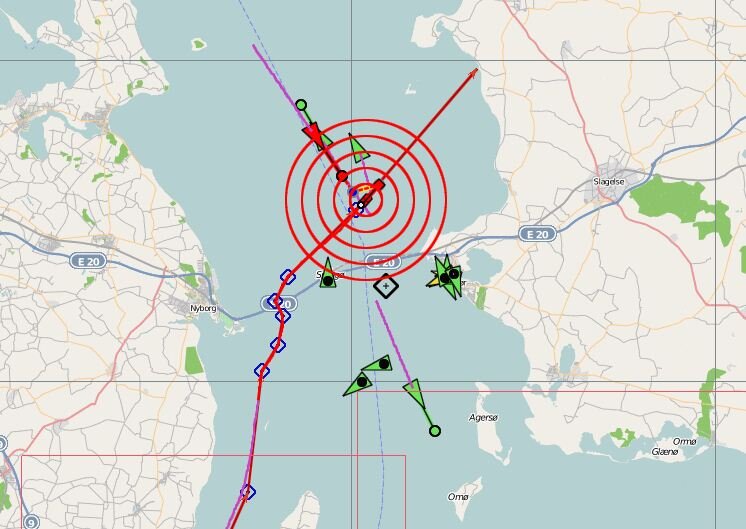
Think of an as a digital ID card for your boat. It's a system that automatically broadcasts your vessel's information to other boats in the area. This isn't just your boat's name, but also its position, course, and speed. Other boats with AIS receivers can see this information on a screen, much like an air traffic controller sees planes.
This creates a live map of marine traffic. You can see a larger ship's course and speed, helping you steer clear long before you can physically see it. It’s especially critical in busy or in poor visibility. You aren't just guessing where other boats are; you can see them electronically.
Voice on the Water
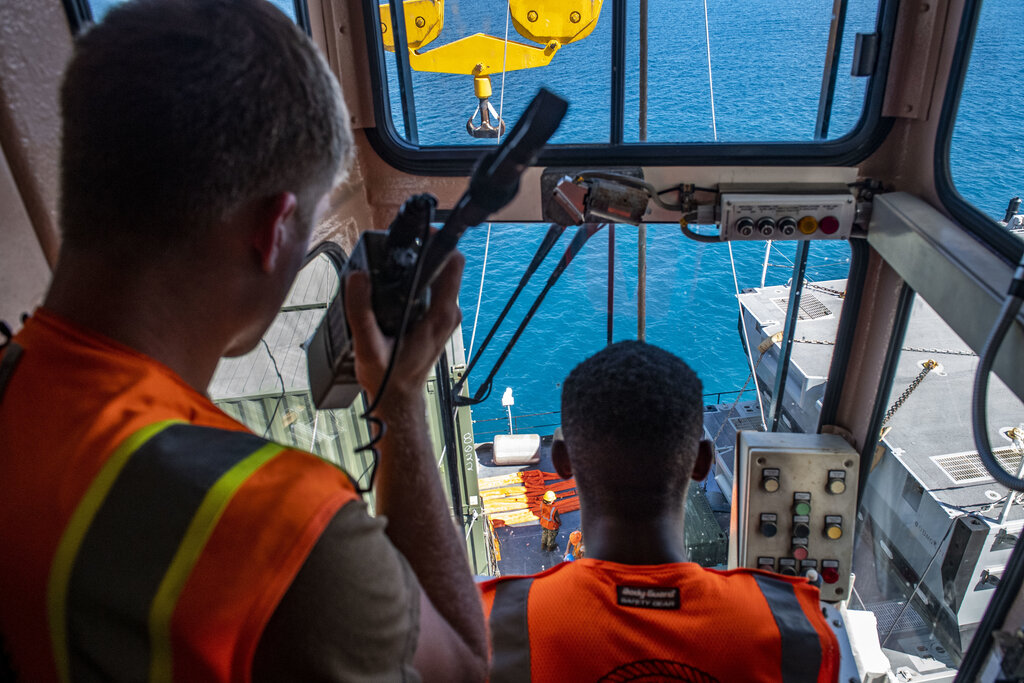
While AIS lets you 'see' other boats, a lets you speak to them. This is the primary method of voice communication at sea. It’s used for everything from coordinating a tricky pass in a narrow channel to calling for help in an emergency. If you need to talk to a nearby ship, the harbor master, or the Coast Guard, you use the VHF radio.
The key difference is simple: AIS is for data, and VHF is for voice.
- AIS (Digital): Lets boats see each other electronically, constantly and automatically.
- VHF (Voice): Lets people talk to each other directly.
Both systems are fundamental to safety. One gives you a constant, silent awareness of your surroundings, while the other gives you a direct line to ask questions, state intentions, or call for assistance.
Summarizing, when critical decisions have to be made quickly to enhance or improve shipboard safety, good communication between all involved in the maritime chain is essential.
Before we get into specific brands like Em-trak or B&G, it's crucial to understand this foundational concept. AIS provides the 'what and where,' while VHF provides the 'who and why.' Together, they form the backbone of modern maritime safety.
What is the primary function of an Automatic Identification System (AIS) on a boat?
You need to ask an approaching ferry about its intentions for passing in a narrow channel. Which piece of equipment should you use?