Marie Curie Pioneer of Radioactivity
Early Life and Education
A Hunger for Knowledge
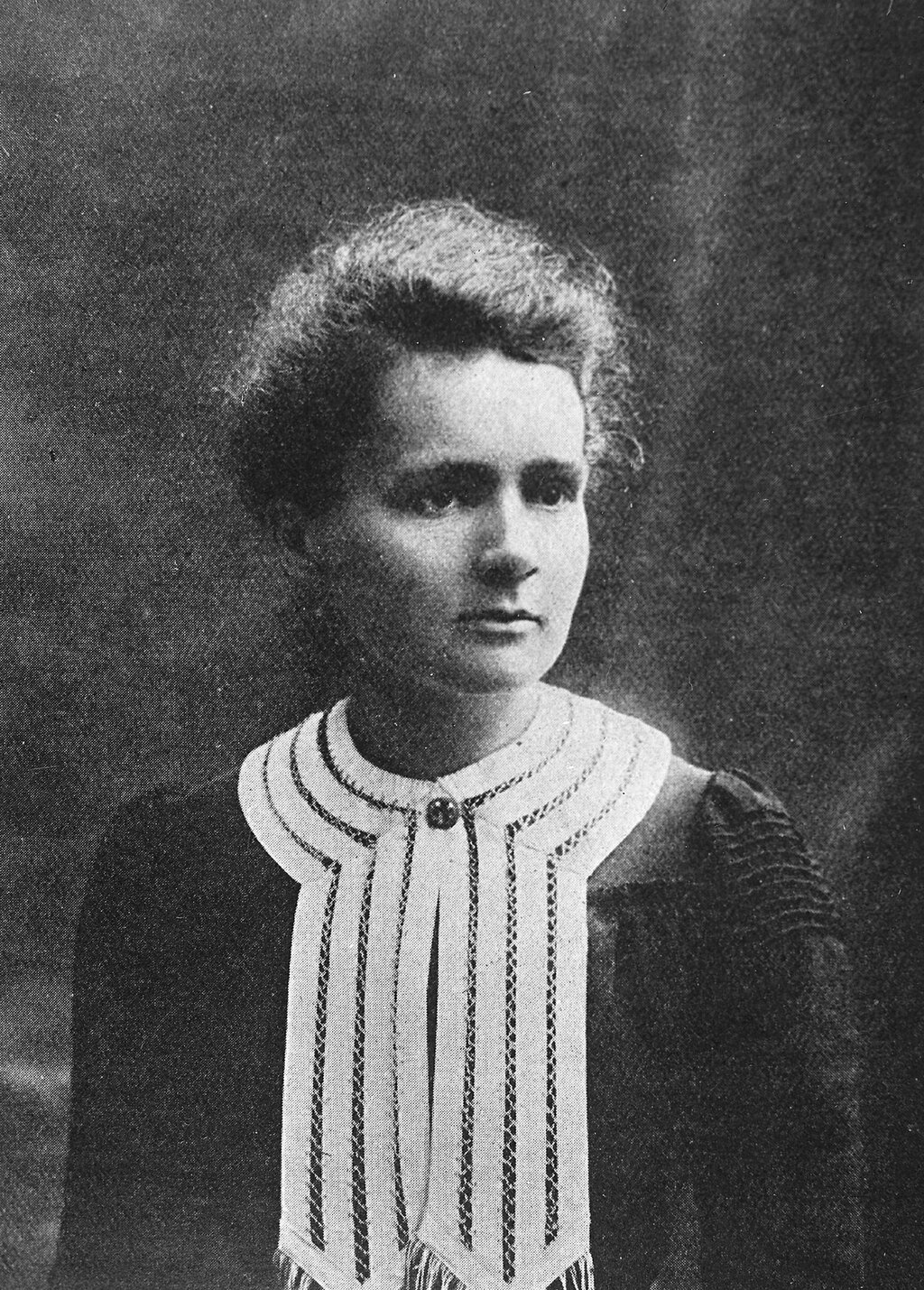
Before she was Marie Curie, the world-famous scientist, she was Maria Skłodowska, a young girl from Warsaw, Poland. Born in 1867, Maria grew up in a home where books and learning were treasured. Both of her parents were teachers. Her father taught mathematics and physics, and her mother ran a prestigious boarding school for girls. They instilled in their five children a deep love for knowledge and a strong sense of Polish identity.
This was a difficult time for Poland. The country was under Russian rule, and Polish culture was suppressed. In schools, the Russian language was mandatory, and teaching Polish history was forbidden. Maria's family secretly taught their children about their heritage at home, nurturing a quiet patriotism that would define her character.
The Secret University
As a top student, Maria graduated from high school at 15 with a gold medal. But her path to higher education was blocked. In the 1880s, the University of Warsaw did not admit women. This was a common barrier for ambitious women across Europe, but Maria and others like her were not easily deterred.
She joined a clandestine network known as the "Flying University." It was an underground educational movement that offered a university-level education to Poles, especially women, in defiance of the Russian authorities. Classes were held in secret, with teachers and students constantly moving locations to avoid detection. Here, in hidden rooms and private apartments, Maria continued her studies in science and Polish culture, feeding her passion for learning against the odds.
The Flying University was a bold act of intellectual resistance, providing education to those formally excluded from it.
The Pact for Paris
Maria dreamed of studying abroad, but her family didn't have the money. So she and her older sister, Bronisława, made a pact. Maria would work as a governess and tutor in Poland and send money to support Bronisława's medical studies in Paris. Once Bronisława was an established doctor, she would then help finance Maria's education.
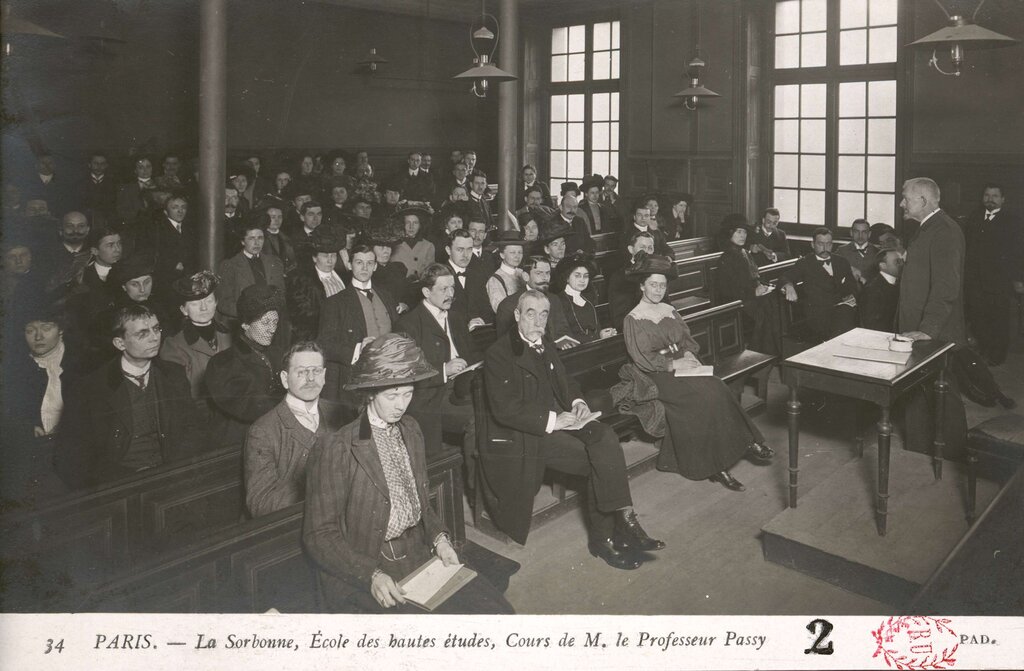
For several years, Maria worked, sending a portion of her earnings to her sister. She used her spare time to study on her own, reading physics, chemistry, and mathematics textbooks. Finally, in 1891, at the age of 24, it was her turn. With her sister's help and her own meager savings, she moved to Paris to enroll at the Sorbonne, one of Europe's most renowned universities.
A Life of Study
Life in Paris was a shock. Maria, who now went by Marie, had to improve her French, catch up on gaps in her scientific knowledge, and survive on very little money. She rented a small, unheated attic room and often subsisted on just bread, butter, and tea. Winters were so cold that she would sleep with all her clothes piled on top of her for warmth.
Despite these hardships, she was exhilarated. For the first time, she could dedicate herself completely to her studies. She absorbed every lecture, spending her days in class and her evenings in the library. Her dedication paid off.
In 1893, Marie placed first in her physics degree examinations. The following year, she earned a second degree in mathematics, finishing second in her class.
This remarkable achievement, born from years of struggle and unwavering focus, laid the foundation for the groundbreaking scientific career that was to come.