Marcos Regime and OPM
Introduction to OPM
The Sound of the Philippines
What makes a song Filipino? Is it the language? The rhythm? The story it tells? For decades, the answer has been wrapped up in three letters: OPM.
OPM
noun
An abbreviation for Original Pilipino Music, a term that broadly refers to popular music composed and performed by Filipino artists. It encompasses many genres and is often characterized by its melodic and sentimental style.
While it's often associated with a specific style of ballad, OPM is really a catch-all term. It covers pop, rock, folk, and everything in between. The common thread is its origin and its audience. It’s music by Filipinos, for Filipinos, reflecting a shared cultural experience. You'll often hear it sung in Tagalog, English, or a mix of both known as "Taglish."
Finding a Filipino Voice
The roots of OPM stretch back to the late 1960s and early 1970s. Before the term was coined, a new wave of music called the "Manila Sound" emerged. This style blended Western influences like soft rock, funk, and disco with distinctly Filipino themes and a lighthearted, melodic sensibility.
Groups like Hotdog and Cinderella pioneered this sound. Their songs were catchy and relatable, with lyrics about everyday life, young love, and friendship. They created a sound that was both modern and deeply local, setting the stage for OPM to flourish.
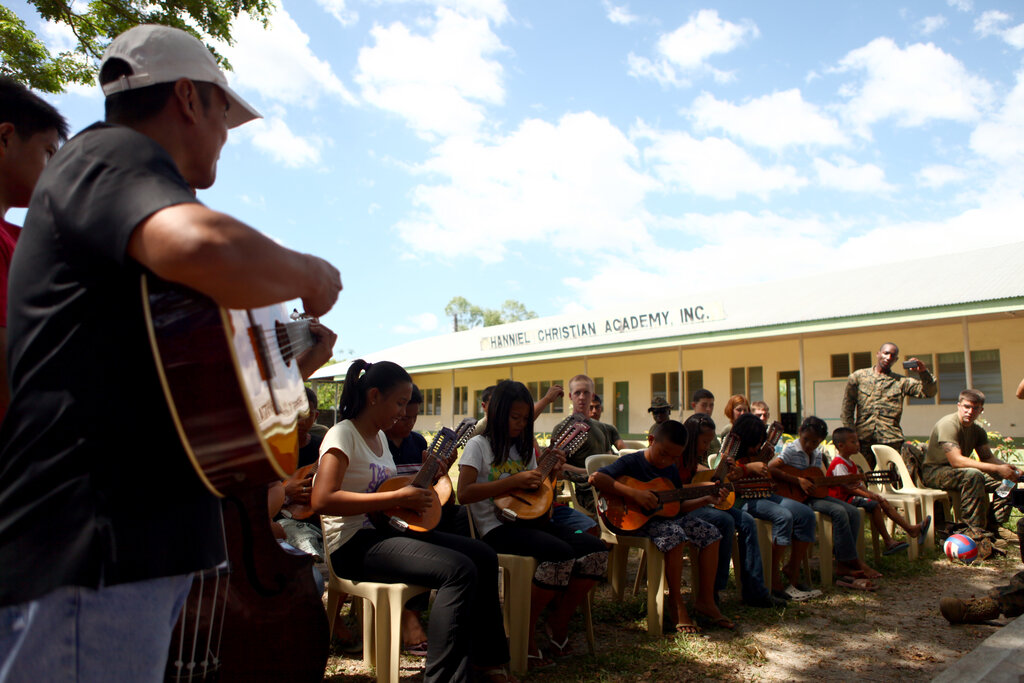
As the Manila Sound evolved, the term OPM came to describe the growing movement of artists creating original music. It signaled a sense of pride and a desire to cultivate a homegrown music industry that could stand on its own, separate from the American and British hits that had long dominated the airwaves.
The Nation's Soundtrack
OPM is more than just entertainment; it’s a pillar of Filipino culture. It's the music you hear blasting from a colorful jeepney, weaving through city traffic. It's the background music in a shopping mall and the main event at a local festival. For generations, these songs have been the soundtrack to birthdays, graduations, and quiet moments of reflection.
OPM captures the soul of the Philippines. The songs tell stories of love, heartbreak, family, and hope, creating a musical language that connects Filipinos everywhere.
This music serves as a cultural touchstone. A single song can evoke a specific time and place, bringing back memories and strengthening a sense of national identity. Whether at home or abroad, OPM provides a powerful connection to Filipino heritage.

From the folk-tinged ballads of the past to the diverse sounds of today's indie scene, OPM continues to evolve. It remains a vibrant and essential part of the Philippines' cultural landscape.