Marcel Proust's Literary World
Introduction to Marcel Proust
A Life of Observation
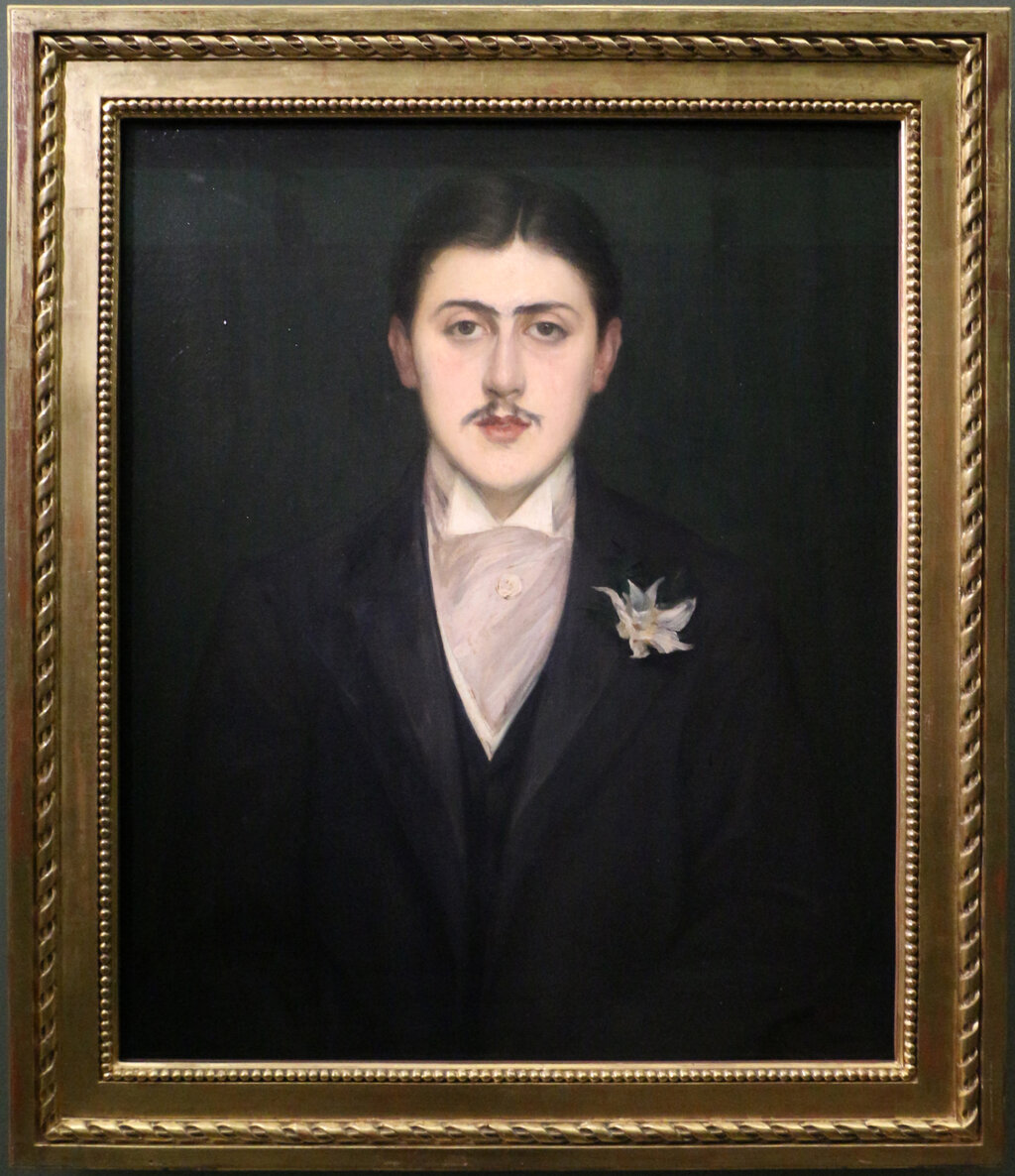
Valentin Louis Georges Eugène Marcel Proust was born in 1871 in Auteuil, a wealthy suburb of Paris. His world was one of comfort and culture from the very beginning. His father, Dr. Adrien Proust, was a renowned pathologist and epidemiologist, a man of science and public stature. His mother, Jeanne Clémence Weil, came from a wealthy and cultured Jewish family from Alsace. She was well-read and devoted to her son, fostering his love for art and literature.
This dual background—his father's Catholic, scientific world and his mother's artistic, Jewish heritage—placed the young Marcel at a unique intersection of French society. He was acutely aware of social nuances from an early age. His life was also shaped by his health. At age nine, he had his first serious asthma attack, and the illness would plague him for the rest of his life, often confining him to his cork-lined bedroom.
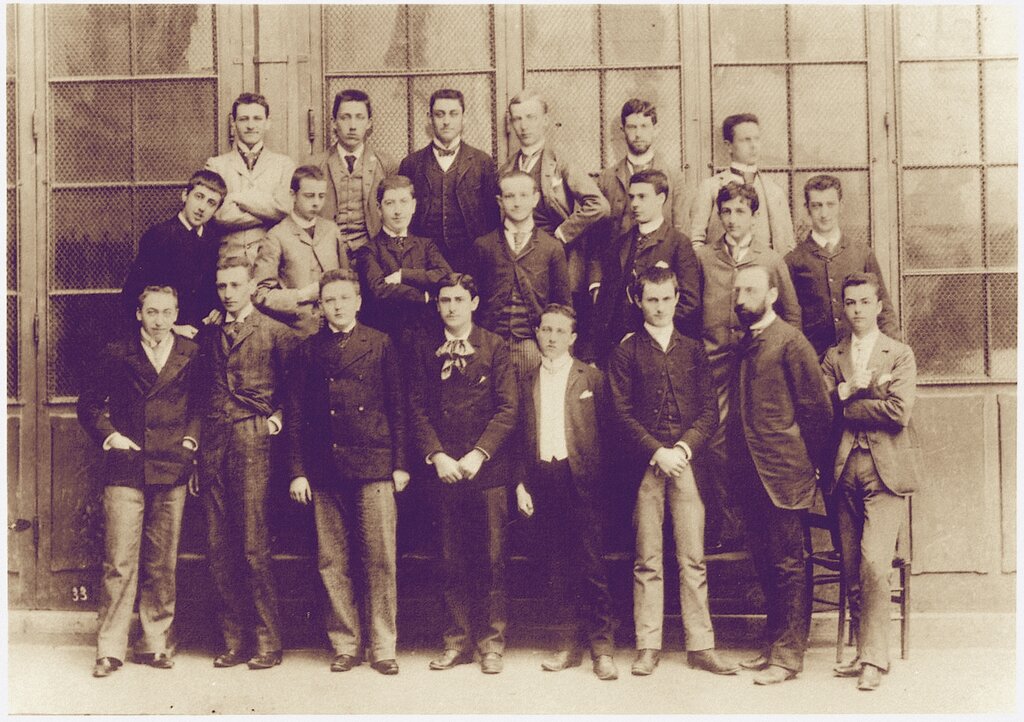
Proust's formal education took place at the Lycée Condorcet, a prestigious Parisian high school. He wasn't always a diligent student in every subject, but he excelled in literature. He began to write for school magazines and formed important friendships with classmates who would later become notable figures in French society. His teachers recognized his talent, though some found his ornate writing style overly sentimental. It was here, among the sons of the elite, that he began to closely observe the codes and behaviors of the upper class that would become central to his work.
The World of the Belle Époque
Proust came of age during a period in French history known as the Belle Époque, or "Beautiful Era." Spanning from the late 19th century to the start of World War I in 1914, this was a time of relative peace, prosperity, and artistic innovation in France. Paris was the glittering center of this world, a hub of art, fashion, and high society.
As a young man, Proust became a fixture in the exclusive salons of Parisian aristocrats and wealthy bourgeois. These gatherings were the primary social stage of the era, where artists, writers, politicians, and socialites mingled, exchanged ideas, and cemented their status. Proust was a brilliant conversationalist and a sharp observer, absorbing the intricate details of speech, dress, and etiquette. He saw how reputations were made and destroyed over a cup of tea, and how social hierarchies were rigidly enforced through subtle gestures.
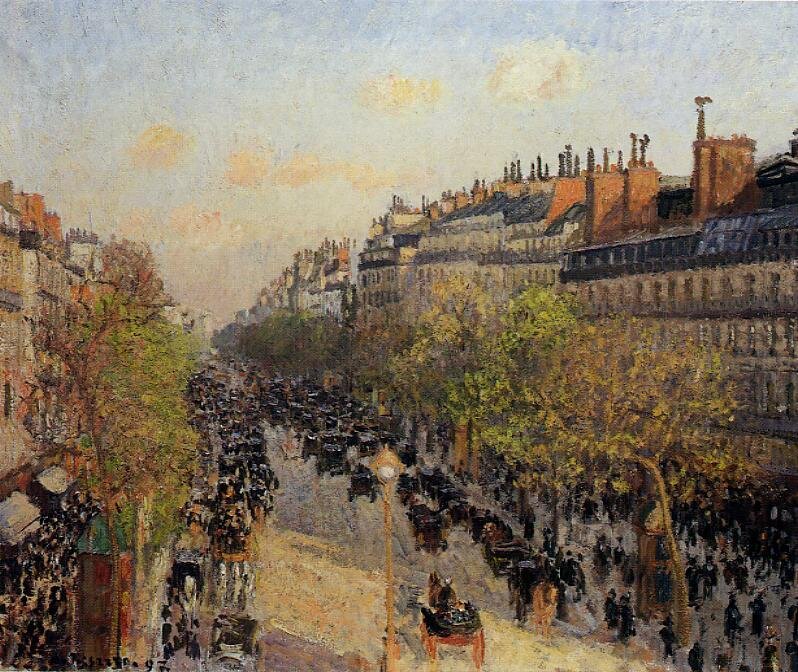
This seemingly frivolous world was also a place of serious artistic ferment. The Impressionist painters were challenging traditional art, and new ideas in music and literature were taking hold. But beneath the sparkling surface, society was tense. A pivotal event was the Dreyfus Affair (1894–1906), a political scandal that divided France. A Jewish army captain, Alfred Dreyfus, was falsely convicted of treason, exposing deep currents of antisemitism and injustice in the French establishment. Proust was a passionate supporter of Dreyfus, an experience that sharpened his understanding of social prejudice and moral courage. All of these elements—the art, the social rituals, the political turmoil—would eventually find their way into his writing.
Now, let's test your knowledge of Proust's early life and times.