Mapping the Namgyal Dynasty of Ladakh
Rise of Shey
The Ridge of Power
To understand the rise of the Namgyal dynasty, you first have to understand the geography of Shey. Long before the Namgyals, the earlier Lhachen kings, starting with Lhachen Palgyigon, recognised the value of this location. Shey sits on a natural ridge that dominates the upper Indus Valley. This wasn't just a random spot; it was a strategic choice. From this high ground, a ruler could control the surrounding fertile plains, the lifeblood of the region, and monitor movement along the crucial Indus river.
This strategic advantage was not lost on , a clever chieftain from Basgo. In the 15th century, he overthrew the weakened Lhachen king and established a new line of rulers: the Namgyal dynasty. He didn't build a new capital from scratch. Instead, he took over the existing power centre at Shey, reinforcing its position and making it the foundation of his new kingdom. The transition marked a pivotal moment, shifting the balance of power in Ladakh for centuries to come.
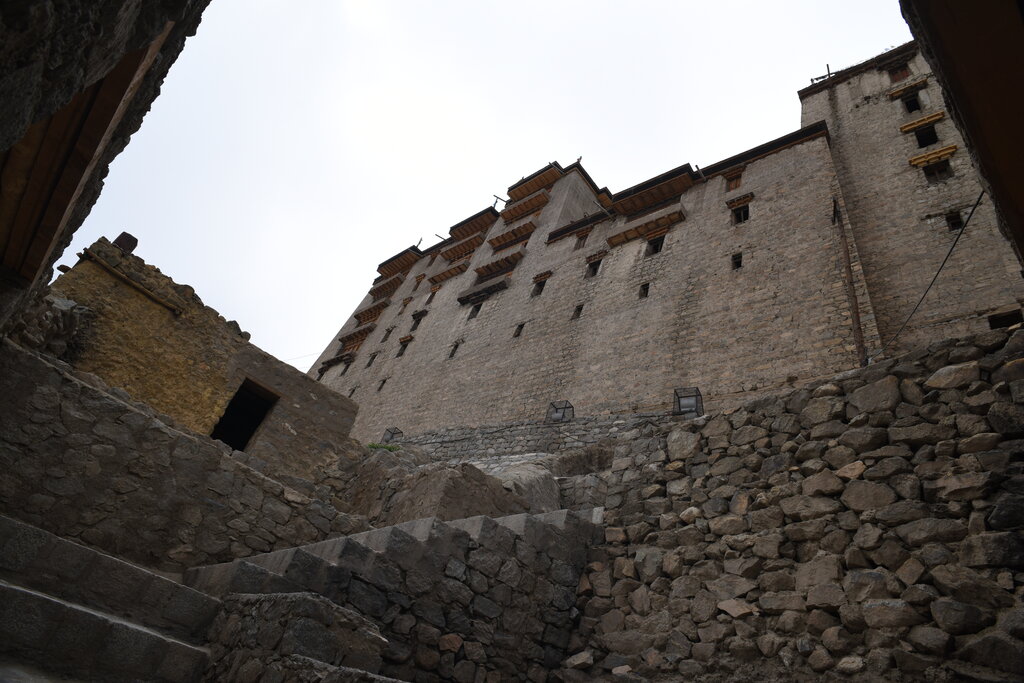
A Palace and a Proclamation
The original Shey Palace, now largely in ruins, was a masterclass in defensive architecture. Rather than levelling the ground, its builders worked with the natural ridge. The structure rose organically from the rock, its walls blending into the landscape, making it a formidable and difficult target for any potential aggressors. The remains show a complex of buildings designed for both royal residence and military observation, a dual-purpose fortress-palace.
But power isn't just about high walls and strategic views. The Namgyals needed to legitimise their rule in the eyes of their people. They did this by building the Shey Monastery within the palace complex. The centrepiece was a magnificent, two-storey-high statue of , crafted from copper and gilded with gold. This wasn't merely a religious icon; it was a powerful political statement. By commissioning such a grand spiritual monument, the new dynasty declared itself the protector of the faith, tying its earthly power directly to divine authority.
With a secure fortress and a powerful symbol of legitimacy, Shey became the hub from which Namgyal power radiated. From this central point, Bhagan and his successors began the process of consolidating control over the smaller surrounding territories, slowly but surely unifying Ladakh under a single, victorious banner.
Before we move on, let's review the key terms from this section.
Now, let's check your understanding.
What was the primary strategic advantage of Shey's geographical location?
Who established the Namgyal dynasty in the 15th century?
Shey's combination of geographical advantage and spiritual authority provided the perfect launching pad for the Namgyal dynasty's ambitions.