Mapping the Lifelines of India
Himalayan vs Peninsular Rivers
A Tale of Two River Systems
India's rivers can be split into two main groups based on their origin: the Himalayan rivers and the Peninsular rivers. The first group includes giants like the Indus, the Ganga, and the Brahmaputra, born in the snow-capped peaks of the Himalayas. The second group, which flows across the ancient southern plateau, includes the Mahanadi, Godavari, Krishna, and Kaveri.
The Source of Life
The most fundamental difference between these two systems is their water source, which determines whether they flow all year round.
Himalayan rivers are perennial. They are fed by two sources: melting snow and glaciers from the high Himalayas during the summer, and monsoon rains from June to September. This dual supply ensures a constant, powerful flow throughout the year.
Peninsular rivers, in contrast, are seasonal or non-perennial. Their flow depends almost entirely on the monsoon. They swell during the rainy season but can shrink to a trickle during the dry summer months. This makes them far less predictable than their Himalayan counterparts.
Young and Restless vs. Old and Wise
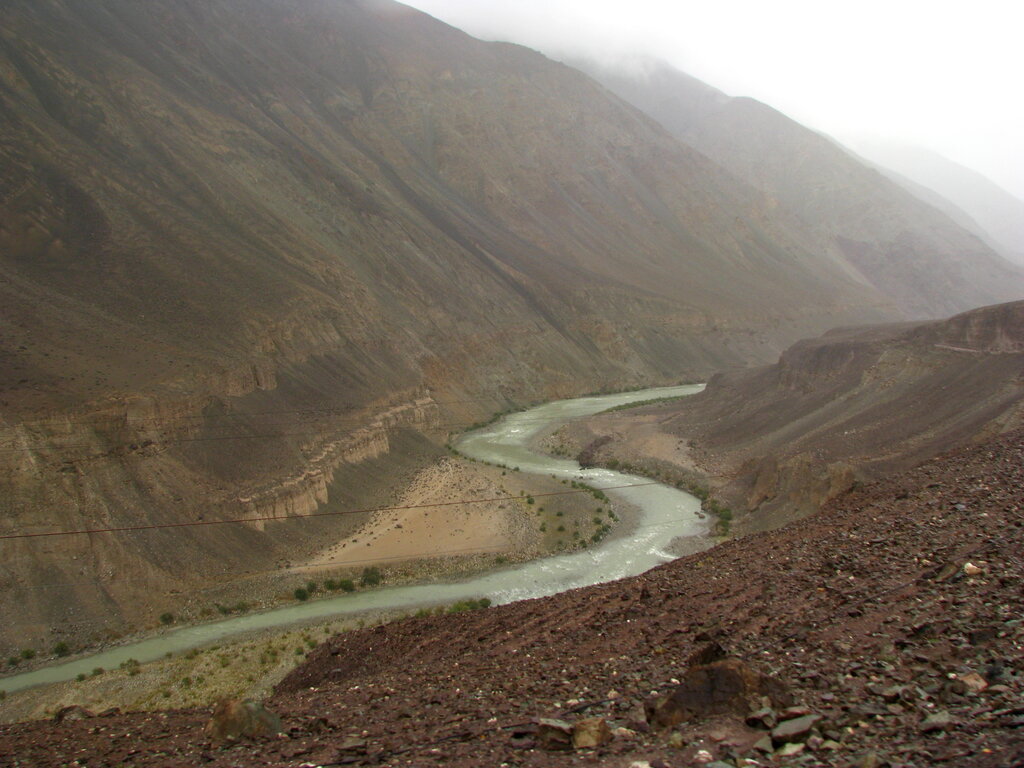
Geologically, the Himalayan rivers are young and energetic. They originate in the still-rising Himalayas, a region of soft, pliable rock. As they race down steep slopes, they cut downwards with immense force, carving deep gorges and narrow, . This intense erosional activity scrapes away vast amounts of rock and soil, resulting in a very high .
The Peninsular rivers are ancient. They flow over the Deccan Plateau, which is one of the oldest and most stable landmasses in the world, made of hard crystalline rock. These rivers have long since completed their major erosional work. They flow through wide, shallow, U-shaped valleys with gentle slopes. Their course is fixed and their capacity to erode is limited, meaning they carry much less sediment.
Charting a Course
The landscape a river crosses dictates its path, or drainage pattern.
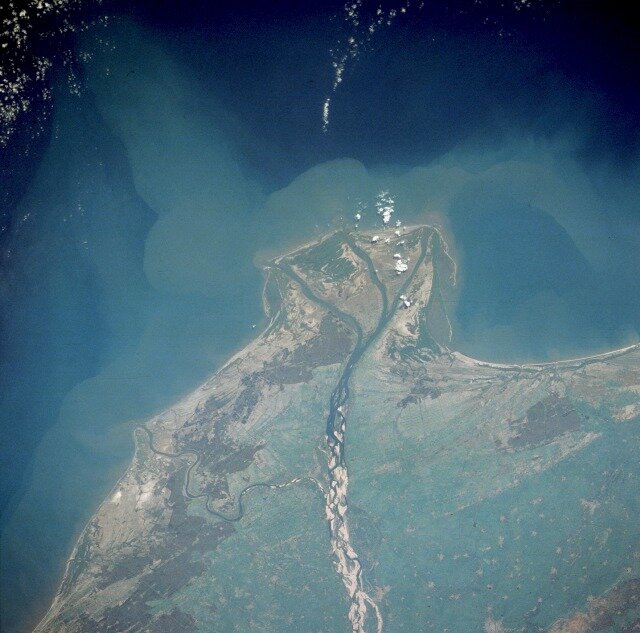
Himalayan rivers, flowing through the vast, flat, and soft alluvial plains they created, have the freedom to wander. They form large meanders and frequently shift their courses. The Brahmaputra, for example, is known for its braided channel in Assam, where it splits into a network of shifting islands and channels.
Peninsular rivers behave very differently. The hard bedrock of the plateau confines them to well-defined paths. They can't easily change course or carve new channels. Their drainage patterns are often determined by the structure of the rock itself.
A is common, resembling the branching of a tree. However, in regions where hard and soft rocks are layered, a trellis pattern emerges, with tributaries joining the main river at near right angles. Where rivers radiate outwards from a central high point, like the Amarkantak Plateau where the Narmada and Son originate, it's called a radial pattern.
| Feature | Himalayan Rivers | Peninsular Rivers |
|---|---|---|
| Origin | Himalayan glaciers and peaks | Peninsular Plateau and Central Highlands |
| Flow | Perennial (snowmelt + rain) | Seasonal (mostly rain-fed) |
| Age | Youthful, active | Mature, graded profile |
| Valleys | Deep, V-shaped gorges | Broad, shallow U-shaped valleys |
| Course | Long, meandering, shifting | Shorter, fixed, well-defined |
| Sediment | High sediment load | Low sediment load |
| Drainage | Mainly dendritic | Dendritic, trellis, radial |
These fundamental differences in origin, flow, and geology shape everything from the landscape of India to its agricultural cycles and potential for hydroelectric power.