Map Workflows with Sticky Notes
Understanding Workflow Mapping
What Is Workflow Mapping?
A workflow is just a series of steps needed to get something done. Workflow mapping is the act of drawing that series of steps out. It turns an abstract process into a clear, visual diagram. Instead of relying on long text documents or word-of-mouth, a workflow map shows you exactly how work flows from start to finish.
The goal is simple: create a visual story of a process that anyone can understand at a glance.
Why Bother Mapping?
Mapping a workflow might seem like extra work, but it pays off. When a process is visualized, problems that were once hidden suddenly become obvious. You can spot bottlenecks where work piles up, find redundant steps that waste time, and see where communication breaks down between teams.
It’s not just about finding problems. A clear map helps everyone on a team understand their role and how their work affects others. It creates a single source of truth, standardizing the process and making it easier to train new people. When everyone follows the same map, consistency and quality improve.
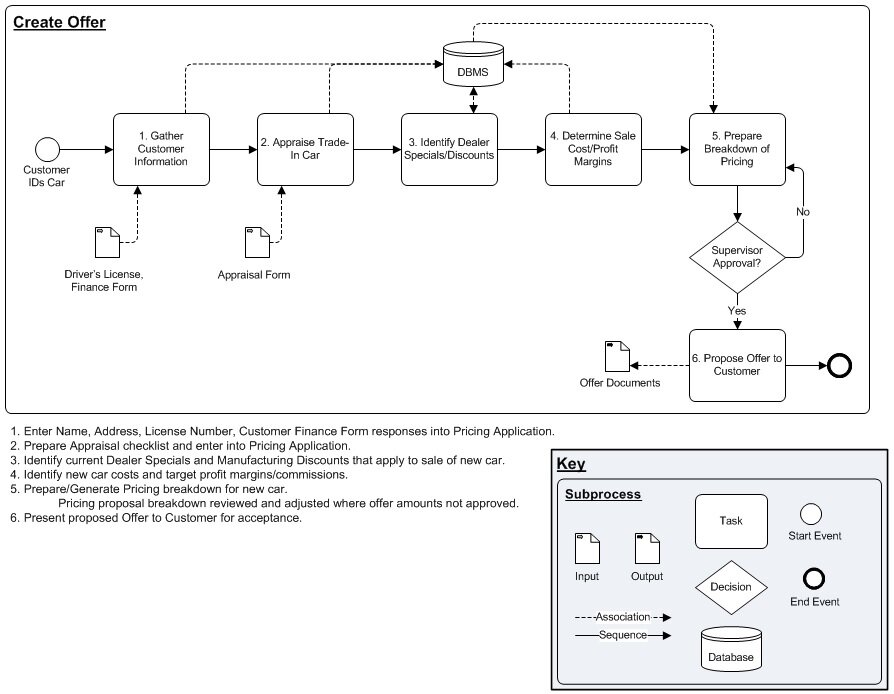
By visualizing the entire process, teams can collaborate more effectively to make improvements. The map becomes a common ground for discussion, allowing people to suggest changes and see the potential impact before making any real-world adjustments.
By providing a clear visual representation of how tasks flow through the system, process mapping software enables businesses to identify bottlenecks, redundancies, and opportunities for optimization.
Common Mapping Methods
There isn't one single way to map a workflow. The best method depends on how complex the process is and what you’re trying to show. Two of the most common types are flowcharts and swimlane diagrams.
Flowchart
noun
A diagram that shows the sequential steps of a process. It uses standard symbols to represent different types of actions or decisions.
Flowcharts are the most basic and widely recognized type of workflow diagram. They are great for showing simple, linear processes. Ovals typically represent the start and end points, rectangles show tasks or actions, and diamonds represent decision points where the path can split.
While flowcharts are useful, they don't show who is responsible for each step. That's where swimlane diagrams come in.
Swimlane Diagram
noun
A type of flowchart that groups process steps into lanes, with each lane representing a different person, team, or department.
Swimlane diagrams, also known as cross-functional flowcharts, clarify roles and responsibilities. By organizing tasks into horizontal or vertical lanes, they make it easy to see how work moves between different parties. This is especially helpful for identifying delays during handoffs.
Putting It Into Practice
Workflow mapping is used across all kinds of business processes. In human resources, it can map out the entire employee onboarding process, from the initial job offer to the end of the first week. For a customer service team, it can visualize the steps for resolving a support ticket, ensuring a consistent and efficient response every time.
Consider a marketing team publishing a new blog post. A swimlane diagram can show the writer drafting the content, the editor reviewing it, the designer creating graphics, and finally, the marketing manager scheduling and publishing the post. The map clarifies every handoff, preventing the post from getting stuck in someone's inbox.
Ready to test your knowledge?
What is the primary purpose of workflow mapping?
Which type of workflow diagram is best for clarifying who is responsible for each step in a process?
By turning processes into pictures, teams can gain clarity, find efficiencies, and work better together.