Manufacturing Planning and Inventory Optimization
Strategic MRP II Frameworks
Closing the Loop
Basic Material Requirements Planning (MRP) changed the game by calculating exactly what materials were needed and when. But it operated like a one-way street. A plan was created and sent to the factory floor, and that was that. There was no formal process for the factory to report back on what was actually happening.
Manufacturing Resource Planning, or MRP II, evolved from this limitation. Its core innovation was creating a feedback system, transforming the one-way street into a dynamic, circular flow of information. This is known as closed-loop MRP, and it forms the foundation of modern production management. It doesn't just plan the work; it constantly checks the plan against reality.
This closed loop connects the high-level business strategy to the day-to-day realities of making things. The system checks not only for materials but also for the necessary machine time and labor hours, and then uses performance data from the factory to refine and adjust the high-level plans.
The Master Plan and the Reality Check
The entire process starts with the Master Production Schedule (MPS). Think of the MPS as the single source of truth for production. It dictates which products are needed, how many are needed, and when they need to be finished. It's derived from sales forecasts and actual customer orders, creating a tangible production target for the entire organization.
But a plan is useless if you can't execute it. This is where Capacity Requirements Planning (CRP) comes in. Once the MPS sets the targets, CRP performs a crucial reality check. It calculates the total workload the MPS imposes on each work center in the factory. It then compares this required capacity to the available capacity, highlighting potential overloads or underloads. This prevents the costly mistake of starting jobs that can't be finished on time due to bottlenecks.
| Component | Role | Key Question |
|---|---|---|
| Master Production Schedule (MPS) | Sets the overall production goals | What do we need to build, how many, and by when? |
| Capacity Requirements Planning (CRP) | Verifies resource availability | Do we have enough machine time and labor to build it? |
If CRP identifies a mismatch, planners can take action. They might approve overtime, move workers between departments, or even adjust the Master Production Schedule itself. This iterative process ensures the production plan is not just aspirational, but achievable.
Connecting to the Bottom Line
The most significant leap from MRP to MRP II is the integration of financial data. An MRP II system doesn't just see a production plan; it sees the financial implications of that plan. It can translate the MPS and inventory levels into projected cash flow, inventory investment, and purchasing budgets.
This turns the production plan into a powerful business tool. Managers can run simulations to see how a change in the production schedule would affect revenue projections or how a delayed shipment from a supplier would impact cash on hand. It connects the shop floor directly to the company's financial health.
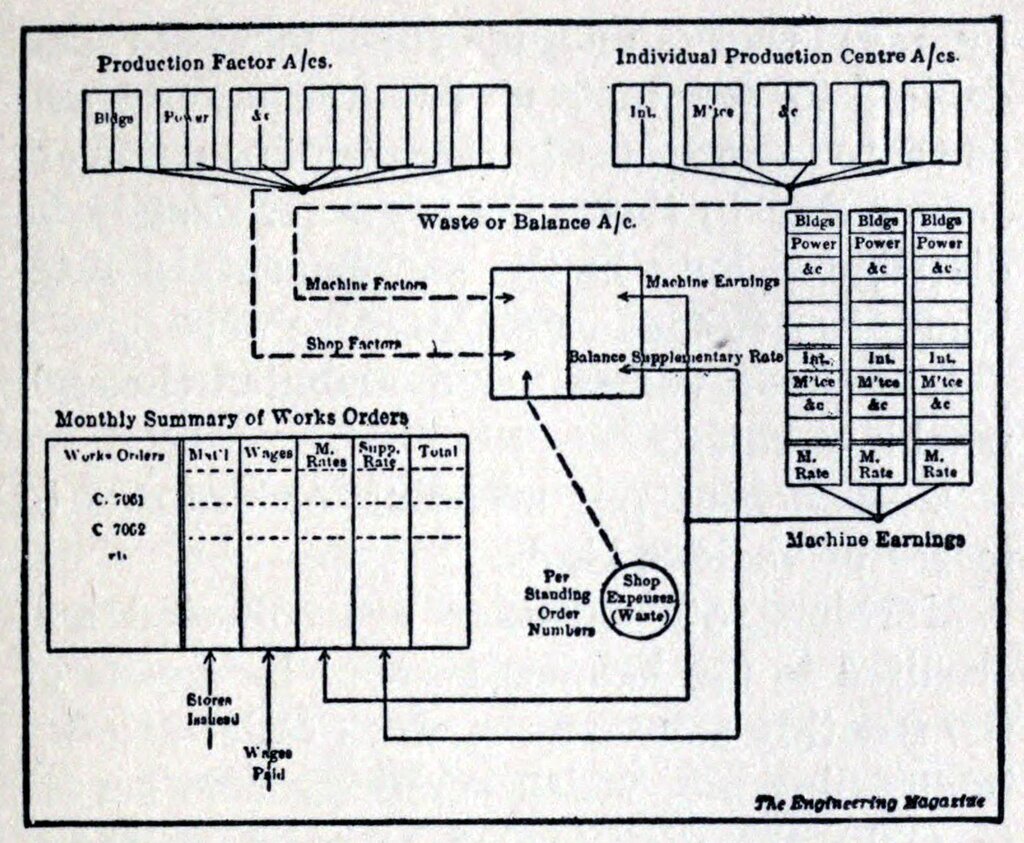
The engine that makes this all work is the feedback loop from systems. These systems track the progress of jobs in real-time. They monitor how much time and material have been used, whether a machine is down, or if a batch failed a quality inspection.
This data is fed back into the planning modules. If a job is running behind schedule, the system can automatically update the expected completion date, alerting planners to the potential impact on customer orders. This continuous flow of information allows the organization to be proactive, solving problems as they happen rather than discovering them after it's too late.
Let's check your understanding of these strategic frameworks.
What is the primary innovation that distinguishes Manufacturing Resource Planning (MRP II) from the original Material Requirements Planning (MRP)?
A factory's Master Production Schedule (MPS) dictates that 1,000 units must be completed next week. However, managers realize they only have enough machine time to produce 800 units. Which MRP II component is designed to identify this kind of mismatch?
By integrating capacity, finance, and real-time feedback, MRP II provides a holistic view of the manufacturing enterprise, turning a simple materials plan into a comprehensive business strategy.