Manufacturing Essentials A Complete Guide
Introduction to Manufacturing
What Is Manufacturing?
At its heart, manufacturing is the process of turning raw materials into finished products. Think about the chair you're sitting on. It started as timber from a tree. Through a series of steps — cutting, shaping, sanding, and assembling — that raw wood was transformed into a useful object. That transformation is manufacturing.
This process can happen on a small scale, like a local artisan crafting furniture in a workshop, or on a massive scale in a factory that produces thousands of items every day. The core idea is the same: taking basic components and adding value to them through labour, machinery, and organised processes.
The Main Flavours of Manufacturing
Not all manufacturing looks the same. The methods change depending on the product being made. We can generally group these methods into three main types.
Discrete Manufacturing
adjective
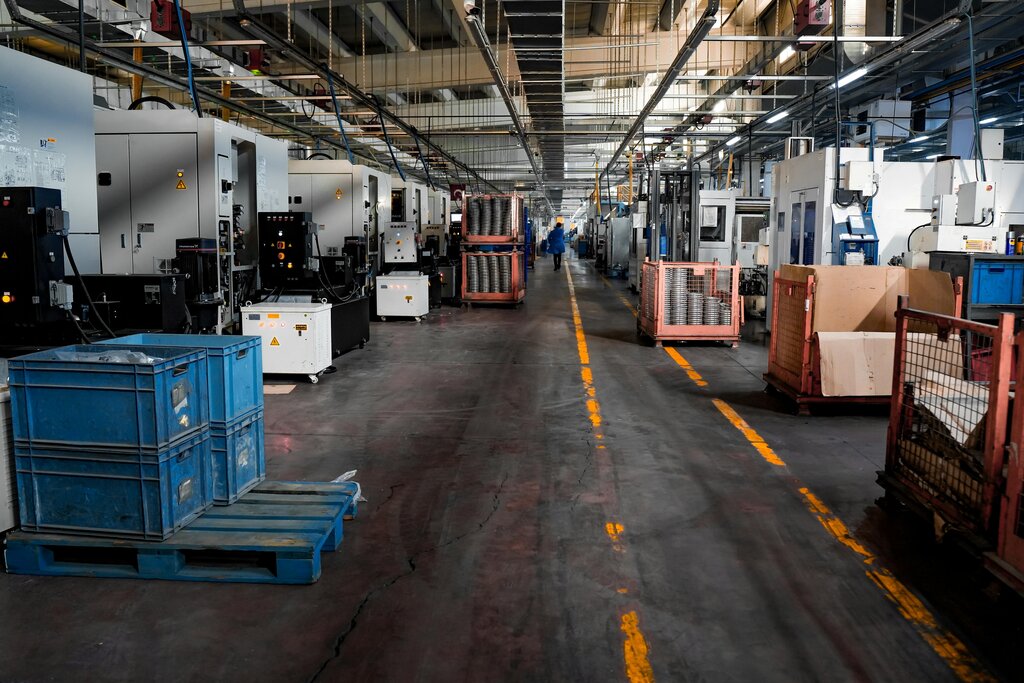
This involves making distinct, separate items that can be counted. Each product is a separate unit. Think of cars, smartphones, or appliances. You can touch and count each one as it comes off the assembly line.
Then there's the opposite approach.
Continuous Manufacturing
adjective
This type of production runs 24/7 without interruption, creating products in a constant flow. It's used for materials that aren't easily counted as individual units, like liquids, gases, or powders. Examples include refining oil into petrol, producing chemicals, or smelting steel.
Finally, there's a hybrid model that sits between the two.
Batch Manufacturing
noun
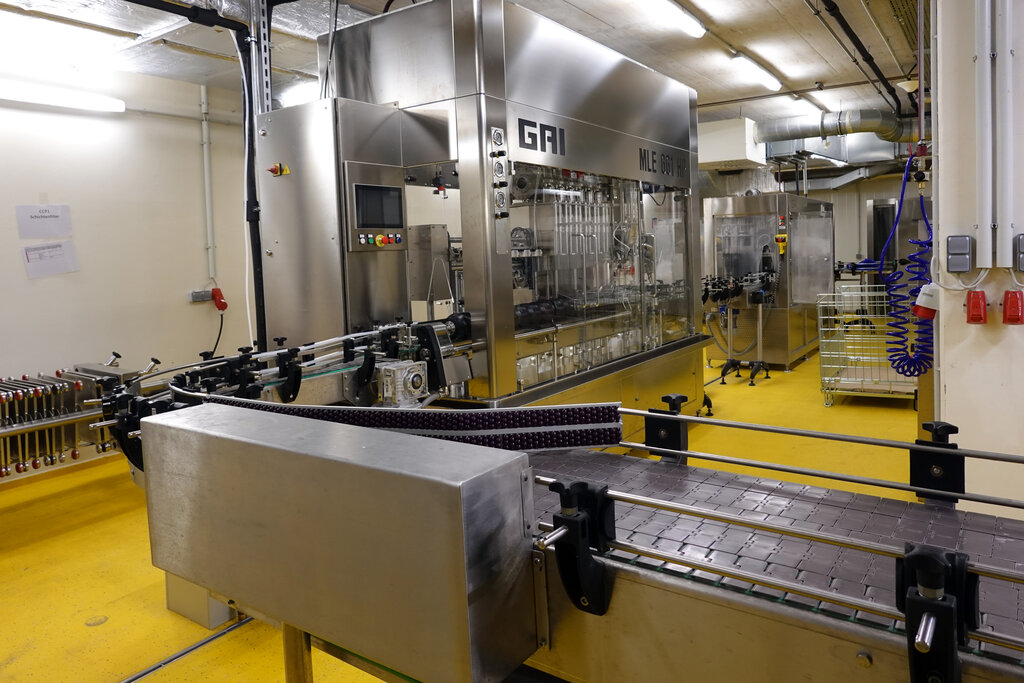
In this process, products are made in groups, or 'batches'. A specific quantity of a product is made, and then the production line might be stopped and changed to make a different product. This method is common for things like baked goods, pharmaceuticals, paint, and craft beer. A bakery makes a batch of sourdough, then a batch of croissants.
| Process Type | Key Characteristic | Examples |
|---|---|---|
| Discrete | Individual, countable items | Cars, phones, furniture |
| Continuous | Uninterrupted flow | Petrol, chemicals, paper |
| Batch | Made in specific groups | Baked goods, paint, medicine |
Manufacturing's Role in the World
Manufacturing is a cornerstone of the modern economy. It's more than just making things; it's a powerful engine for growth and development. When a country has a strong manufacturing sector, it creates a wide range of jobs, from factory floor workers and engineers to managers and logistics experts.
It also fuels innovation. The constant drive to make products better, cheaper, and more efficiently pushes technology forward. This leads to new materials, smarter machines, and more sustainable production methods that benefit all of society. Nearly every product you use daily, from your toothbrush to your laptop, is a result of a complex manufacturing process.
Why This Knowledge Matters
Understanding the basics of manufacturing is valuable for everyone, not just for those who want to work in a factory. If you're an entrepreneur with a product idea, knowing how it could be manufactured will help you determine if it's feasible and affordable. If you're in business, it helps you understand supply chains, costs, and quality control.
For consumers, this knowledge provides a deeper appreciation for the objects we use every day. It reveals the complex journey from raw material to finished product and the human ingenuity required at every step.
In short, manufacturing is the physical process that brings ideas to life. Grasping its fundamental principles is the first step toward understanding how our modern world is built.
What is the primary goal of the manufacturing process?
A strong manufacturing sector in a country primarily contributes to its economy by: