Manufacturing Engineering Fundamentals
Introduction to Manufacturing Engineering
What Is Manufacturing Engineering?
At its heart, manufacturing engineering is the science of making things. It’s the bridge between a brilliant idea and a physical product you can hold. Think about your phone, your chair, or the car you ride in. A manufacturing engineer figured out the best way to transform raw materials like plastic, metal, and silicon into those finished goods.
Imagine a master chef planning a huge banquet. The chef doesn't just cook the food. They design the kitchen layout for efficiency, select the right ovens and tools, create a step-by-step recipe, and ensure every single plate that leaves the kitchen is perfect. That's what a manufacturing engineer does, but for products. They design, manage, and improve the entire production system.
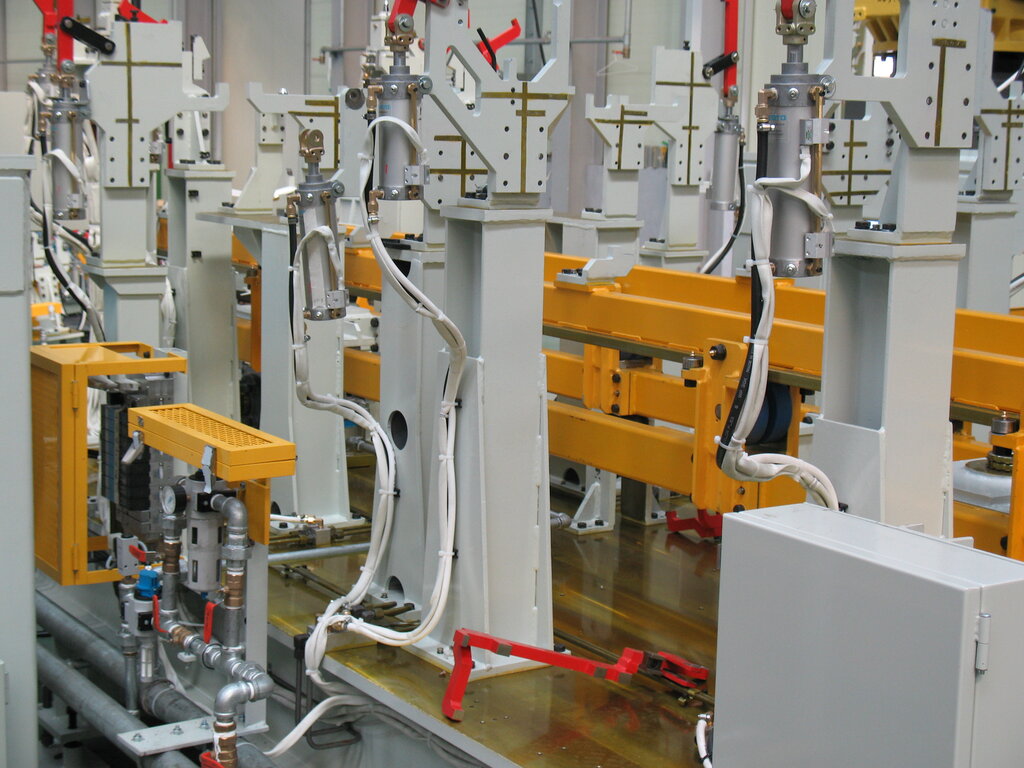
The scope is vast. It covers everything from designing the factory floor and selecting robotic arms to ensuring the final product meets quality standards, all while keeping costs down and safety up.
A Brief History of Making Things
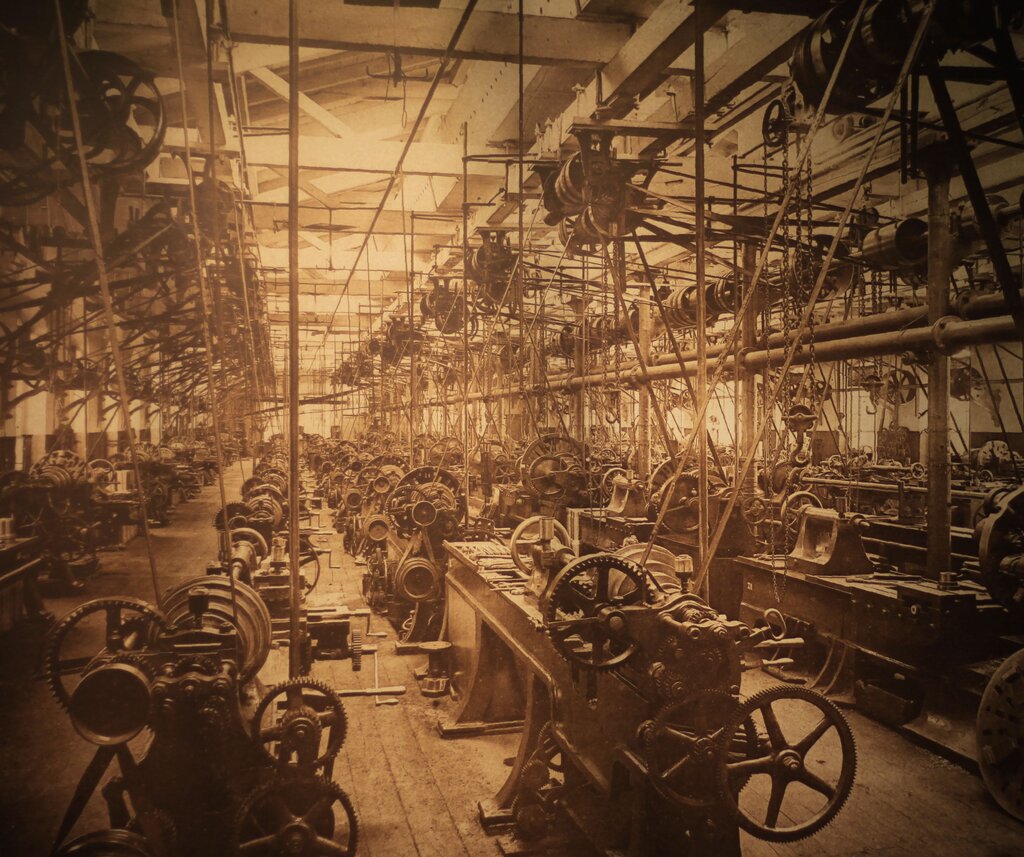
Manufacturing wasn't always so complex. For centuries, skilled artisans made items one at a time by hand. A single woodworker would build a whole chair, and a blacksmith would forge an entire sword. Each piece was unique, but production was slow and expensive.
The Industrial Revolution in the 18th and 19th centuries changed everything. With the invention of steam power and machinery, factories emerged. Production shifted from individual craftsmen to large-scale operations. A key innovation was the concept of interchangeable parts, which meant a broken piece could be easily replaced instead of requiring a custom fix.
In the early 20th century, Henry Ford perfected the moving assembly line for his Model T car. This slashed production time and costs, making cars accessible to the average family. Since then, manufacturing has continued to evolve with the introduction of computers, robotics, automation, and data analysis to create the highly efficient systems we see today.
The Engineer's Role
So, what does a manufacturing engineer do all day? Their work generally falls into three main categories: designing, analyzing, and optimizing.
The goal is simple: make high-quality products efficiently, safely, and at the lowest possible cost.
They are process designers, figuring out the exact sequence of steps to build something. They are also problem-solvers, troubleshooting issues on the production line when things go wrong. Most importantly, they are optimizers, constantly looking for ways to make the system better. This could mean rearranging a workspace to reduce wasted motion, upgrading a machine to increase speed, or changing a material to improve quality.
This entire flow, from raw materials to the final item, is called a manufacturing system. It's a complex web of people, equipment, and procedures all working in concert. The manufacturing engineer is the conductor of this orchestra, ensuring every part plays in harmony to create a successful product.
Now let's check your understanding of these core concepts.
What is the primary focus of a manufacturing engineer?
What key innovation from the Industrial Revolution made products easier to repair and produce on a large scale?
Understanding these fundamentals provides a solid base for exploring the specific tools and techniques that manufacturing engineers use to shape the world around us.