Manufacturing Constraints in Fenestration
Introduction to Fenestration
What Is Fenestration?
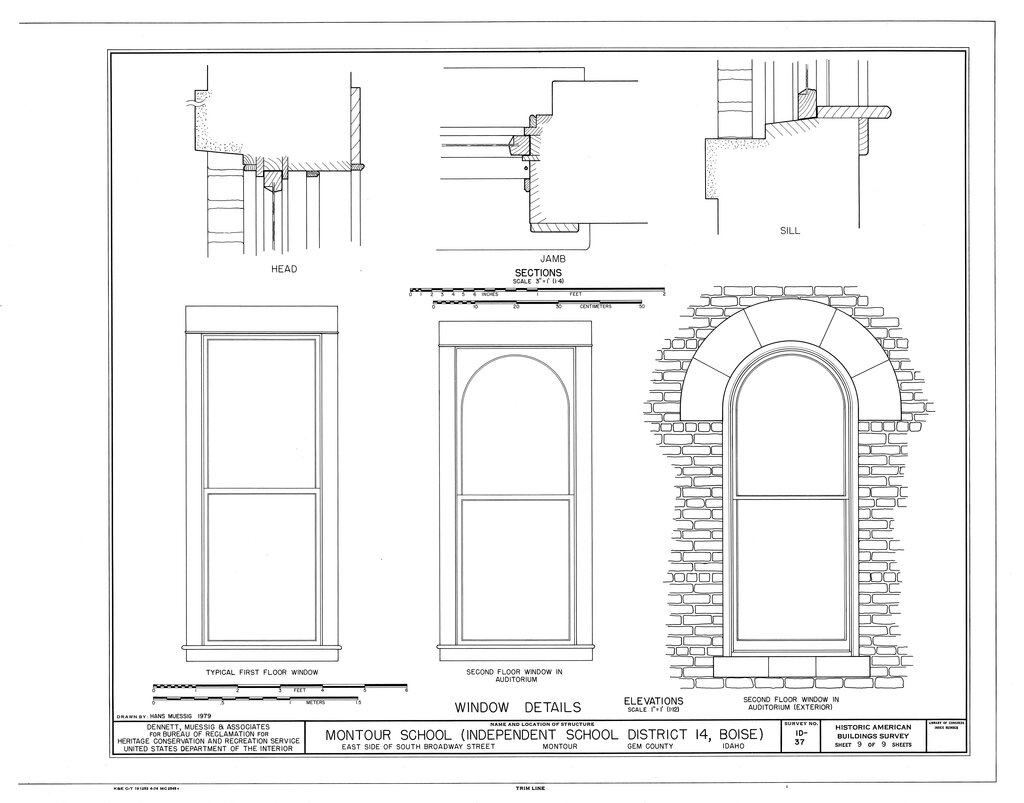
When you look at a building, you see walls, a roof, and openings. Architects have a specific word for the design and placement of these openings: fenestration.
Fenestration
noun
The arrangement, design, and proportioning of openings in a building, such as windows, doors, and skylights.
Essentially, fenestration refers to any transparent or translucent part of a building's envelope. This includes windows, skylights, glass doors, and even curtain walls, which are non-structural outer walls made of glass. It’s all about how light and air get into a structure.

More Than Just a View
Fenestration does much more than provide a way to look outside. It defines a building's character and plays a crucial role in its performance. A building's windows and doors are like its eyes and mouth; they determine how it interacts with the world.
Aesthetically, the style of windows can set the entire tone. Think of the grand, arched windows of a historic cathedral versus the sleek, floor-to-ceiling glass of a modern skyscraper. The fenestration choices dictate the building’s personality and its relationship with its surroundings.

Beyond looks, fenestration is a key factor in a building's energy efficiency and the comfort of the people inside. Well-designed windows and skylights can reduce the need for artificial lighting by flooding spaces with natural light. They can also provide natural ventilation, decreasing the reliance on air conditioning.
However, openings can also be a source of heat loss in the winter and heat gain in the summer. The type of glass, framing materials, and overall design of fenestration products directly impact heating and cooling costs.
Careful selection of window and glazing systems is essential to the energy efficiency and comfort of all buildings.
The Fenestration Industry
Given its importance, fenestration is a major industry within the broader construction sector. It involves the manufacturing of products like windows, doors, and skylights from materials such as glass, vinyl, aluminum, wood, and composites.
This industry doesn't just produce the physical components. It also includes the designers who specify the products, the engineers who ensure they perform correctly, and the skilled laborers who install them. From a single window in a home to a complex glass facade on a skyscraper, the fenestration industry provides the essential components that connect buildings to the outside world.
Let's review the key terms we've covered.
Now, let's test your understanding of fenestration and its role in building design.
In architecture, what does the term 'fenestration' primarily refer to?
Which of the following is NOT considered a part of a building's fenestration?
Understanding fenestration is the first step in appreciating how buildings function, not just as shelters, but as dynamic systems that interact with their environment.