Manga Drawing Essentials
Introduction to Manga Drawing
What Is Manga?
At its heart, manga is the Japanese word for comics. While the style we recognize today exploded in popularity after World War II, its roots stretch back centuries to picture scrolls from the 12th century. These scrolls told stories through sequential images, much like modern comics.
comics, cartoons
Artists like Osamu Tezuka, often called the "godfather of manga," pioneered the look and feel of modern manga in the mid-20th century. He introduced the large, expressive eyes and cinematic storytelling techniques that are now hallmarks of the style. From these origins, manga has grown into a massive global phenomenon, encompassing every genre imaginable, from high school romance and fantasy epics to science fiction and historical drama.
The Manga Look
Manga has a distinct visual language that sets it apart. One of the most recognizable features is the character design. Characters often have large, expressive eyes that convey a wide range of emotions, along with stylized hair that can defy gravity and come in any color.
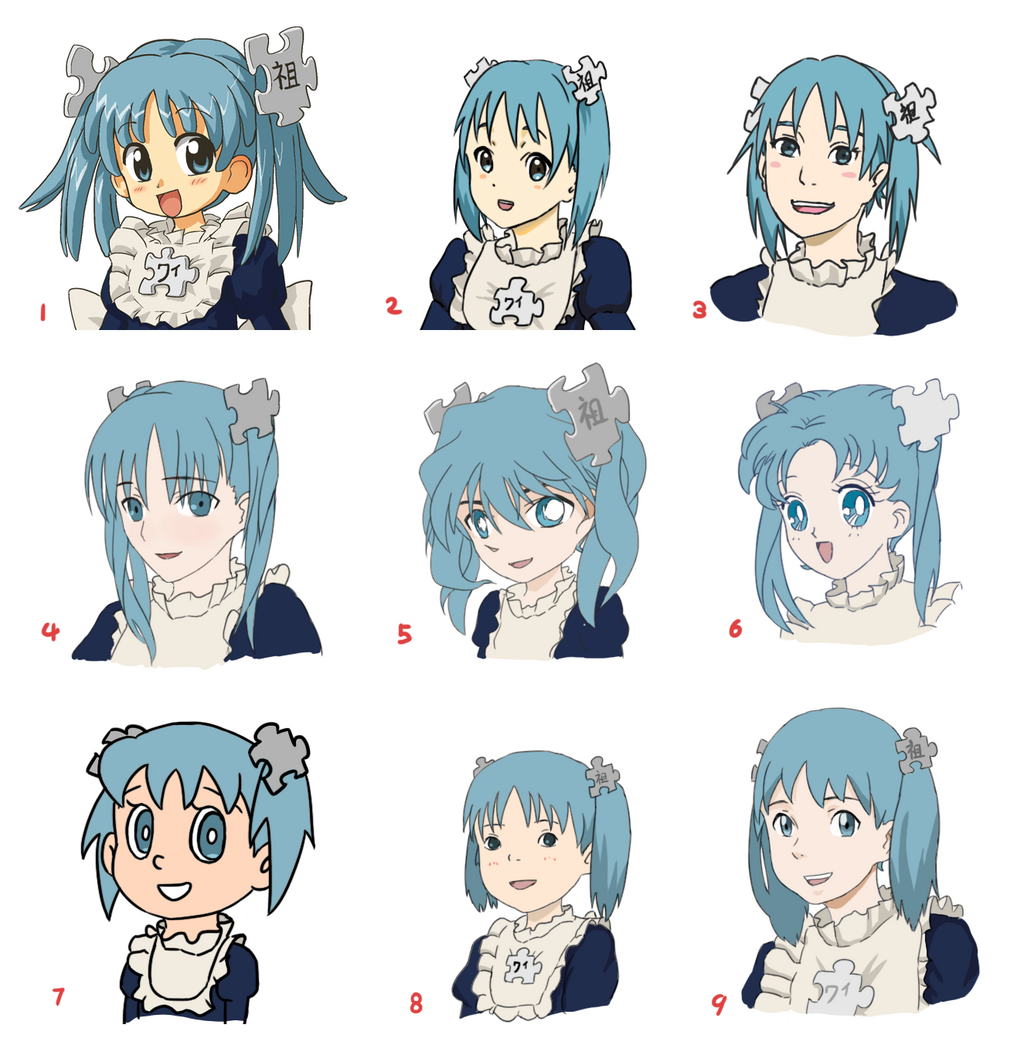
Beyond character design, the way artists use lines is crucial. This is called line work. A manga artist, or mangaka, will vary the thickness and thinness of their lines to create depth, show movement, and emphasize certain elements. A thick outline might make a character pop from the background, while thin, sketchy lines can suggest speed or a distant object.
The characteristic linework of manga art follows its own aesthetic principles.
Since traditional manga is printed in black and white, artists needed a way to add texture, shading, and tone without using color. The solution was screentones. These are sheets with printed patterns, typically dots or lines, that are cut out and applied to the artwork. They can create the look of a grey wash, a patterned fabric, or a dramatic background effect.
More Than Just Comics
In Japan, manga is a deeply integrated part of the culture, read by people of all ages and from all walks of life. It’s not just a medium for children; it tackles complex themes and mature stories, much like novels or films in the West. There are manga for business professionals, aspiring chefs, sports fans, and history buffs.
This broad appeal has fueled its global influence. Manga's dynamic art and compelling stories have inspired artists and creators worldwide, influencing animation, comics, and even live-action movies. The storytelling techniques, from pacing to panel layouts, are studied by aspiring artists everywhere who want to learn how to craft a visually engaging narrative.
Reading different types of manga is one of the best ways to get a feel for the art style and its storytelling conventions.
Now that you have a grasp of the fundamentals, let's review some key terms.
Ready to test your knowledge?
According to the text, what are the earliest historical roots of manga?
Who is often called the "godfather of manga" for pioneering its modern look with large eyes and cinematic techniques?
Understanding these core concepts is the first step on your journey to drawing manga. You now have the foundation to explore specific techniques for bringing your own characters and stories to life.