Mandarin Adventures
Mandarin Pronunciation
The Music of Mandarin
Speaking Mandarin is a bit like singing. The same sound can have completely different meanings depending on its pitch, or tone. English speakers do this too, just not as formally. Think about how you say "What?" when you're surprised versus when you're asking someone to repeat themselves. The pitch changes the meaning. Mandarin just takes this idea and builds it right into the language.
Every syllable in Mandarin has a specific tone. Getting the tones right is the key to being understood.
Meet the Four Tones
Mandarin has four main tones that change the meaning of a word. A fifth, neutral tone also exists, which is just a short, light sound, but we'll focus on the main four. Imagine your vocal range has five levels, with one being the lowest and five being the highest. The tones move between these levels.
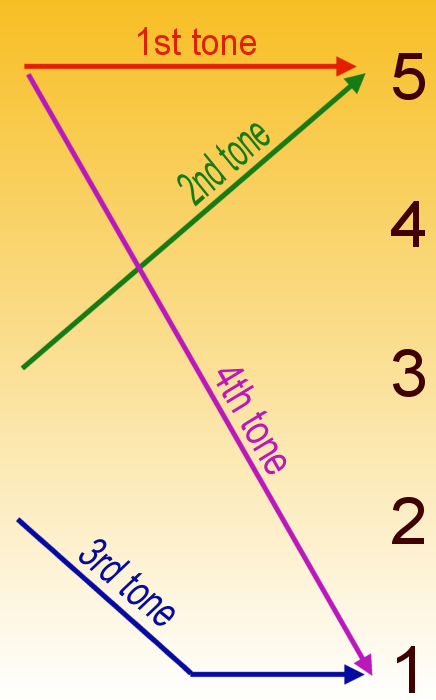
Let's use the sound ma to see how this works:
- First Tone (High-Level): This is a high, flat sound, like a beep. You start high and stay there. It’s written with a flat line: mā.
- Second Tone (Rising): This tone starts in the middle and rises, like you're asking a question. It’s written with a rising line: má.
- Third Tone (Falling-Rising): This is the trickiest one. Your voice dips down and then comes back up. It’s written with a curved line: mǎ.
- Fourth Tone (Falling): This tone starts high and drops sharply, like a command. It’s written with a falling line: mà.
| Tone | Pinyin | Meaning |
|---|---|---|
| 1st | mā (妈) | mother |
| 2nd | má (麻) | hemp |
| 3rd | mǎ (马) | horse |
| 4th | mà (骂) | to scold |
Decoding the Sounds
So how do you know what sounds to make? That's where Pinyin comes in. Pinyin is a system that uses the familiar Roman alphabet to spell out Mandarin sounds. It's not English pronunciation; it's a phonetic guide for Mandarin.
Pinyin
noun
The official system for transcribing Mandarin Chinese sounds into the Roman alphabet. It was developed in the 1950s and is used for teaching Chinese and typing on computers.
Every Pinyin syllable is made of three parts: an initial, a final, and a tone mark.
- Initial: The consonant sound at the beginning of the syllable (like b, p, m, f).
- Final: The vowel sound that follows (like a, o, e, i, u or combinations like ao, iang).
- Tone Mark: The little symbol above the main vowel that tells you which of the four tones to use.
For example, in the syllable hǎo (good), h is the initial, ao is the final, and the little curve is the third tone mark.
Learning Pinyin is like getting a cheat code for pronunciation. Once you know the system, you can accurately pronounce any Mandarin word you see written in Pinyin.
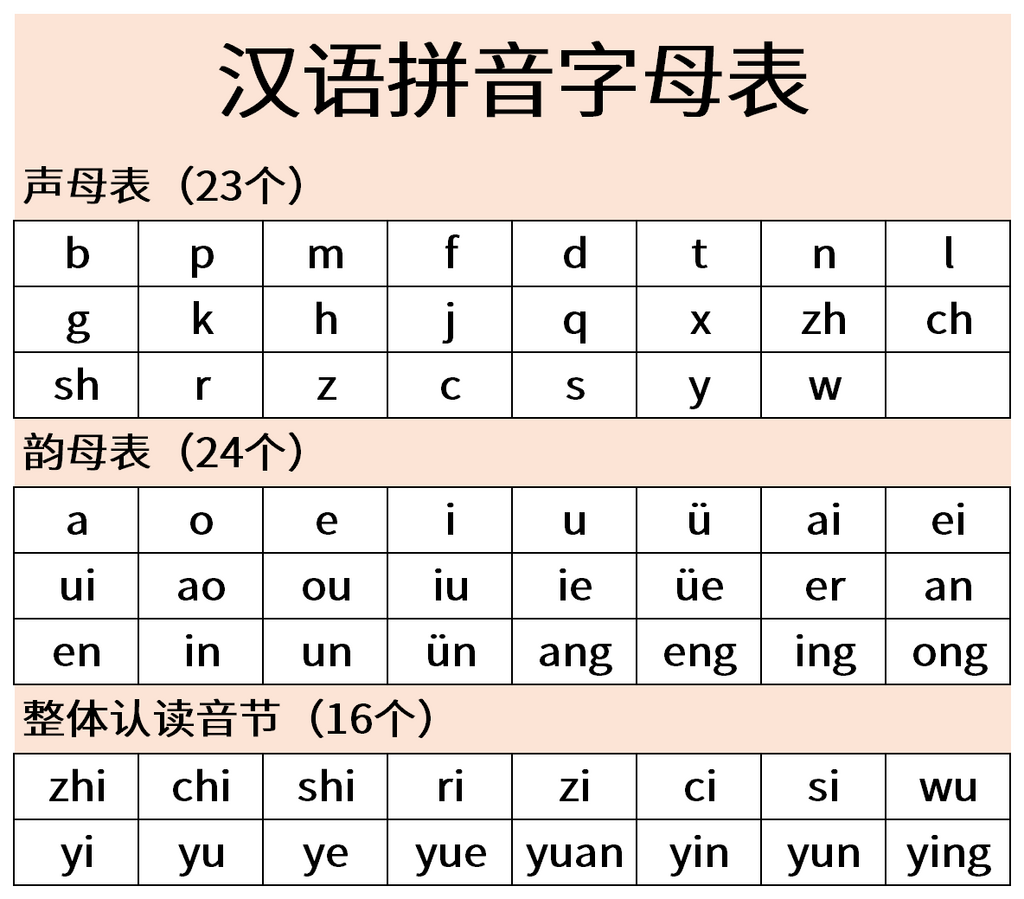
Time for a little practice. Try saying the syllable shi with each of the four tones. Listen for the change in your pitch.
| Pinyin | Tone Description | English Sound-alike |
|---|---|---|
| shī | High and flat | Like a steady "sheee" |
| shí | Rising | Like asking "She?" |
| shǐ | Dipping then rising | Say "she" low, then go up |
| shì | Sharp and falling | A quick, firm "She!" |
What is the primary function of tones in Mandarin Chinese?
Which tone is described as starting high and dropping sharply, like a command?
Getting comfortable with tones and Pinyin is the most important first step. It builds the foundation for everything else you'll learn in Mandarin.