Managing Upset Feelings
Understanding Emotional Distress
Understanding Emotional Distress
We all have bad days. Sometimes, though, feeling bad goes beyond a temporary mood swing. When negative feelings become persistent and start to interfere with your life, you might be experiencing emotional distress. It's not a specific mental illness, but rather a state of mental suffering that can arise from many different situations.
Emotional Distress
noun
A state of mental anguish or suffering in response to a stressful event or situation. It encompasses a range of negative feelings, such as anxiety, sadness, and anger, that can disrupt a person's ability to function normally.
Think of your emotional well-being like a pitcher of water. Everyday stressors are like small drips, and your mind can usually handle them. But a major negative event—or a constant, heavy flow of smaller problems—can cause the pitcher to overflow. That overflow is emotional distress.

What Causes It?
Emotional distress is a personal experience, and what triggers it can vary widely from person to person. However, some common causes include:
- Major Life Events: The death of a loved one, a divorce, job loss, or a serious illness can be overwhelming.
- Ongoing Stress: Persistent pressure from work, financial difficulties, or relationship conflicts can wear down your emotional reserves over time.
- Traumatic Experiences: Experiencing or witnessing a traumatic event, like an accident or act of violence, can have a lasting emotional impact.
- Health Issues: Dealing with a chronic illness or a sudden, serious diagnosis can be a significant source of distress for both patients and their families.
Signs and Symptoms
Recognizing emotional distress is the first step toward managing it. The signs can be both psychological and physical, as our minds and bodies are deeply connected. You might not experience all of them, but a pattern of these symptoms is a sign that something is wrong.
| Psychological Symptoms | Physical Symptoms |
|---|---|
| Persistent sadness or anxiety | Headaches or migraines |
| Irritability or anger | Upset stomach or digestive issues |
| Feeling overwhelmed | Chronic fatigue and low energy |
| Difficulty concentrating | Changes in sleep (too much or too little) |
| Withdrawing from others | Muscle tension or body aches |
| Loss of interest in activities | Changes in appetite |
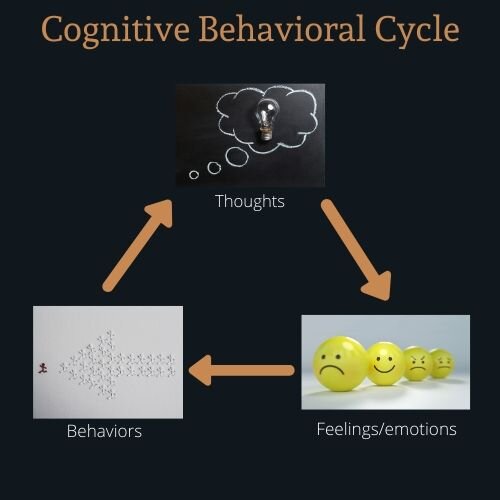
This link between thoughts, feelings, and physical sensations is often cyclical. For example, anxious thoughts can lead to a racing heart and tense muscles, and those physical feelings can in turn make your thoughts even more anxious.
Impact on Daily Life
When you're in a state of emotional distress, it can feel like you're wading through mud. Simple tasks can seem monumental. Your performance at work or school may suffer because you can't focus, and your relationships can become strained due to irritability or social withdrawal.
Emotional distress doesn't just stay in your head. It can ripple outward, affecting your work, your health, and your connections with the people you care about.
Left unaddressed, chronic emotional distress can also take a toll on your physical health. Prolonged stress is linked to a higher risk of conditions like heart disease and a weakened immune system. That’s why acknowledging distress is so important—it’s a signal that your mind and body need support.
Let's review what we've covered about the nature of emotional distress.
What is the best definition of emotional distress, based on the provided text?
In the 'pitcher of water' analogy, what does the water overflowing from the pitcher represent?
Recognizing the signs of emotional distress in yourself or others is a crucial skill for maintaining overall well-being.