Managing Tricep Tendonitis
Understanding Triceps Tendonitis
The Ache Behind Your Arm
The triceps muscle is the powerhouse on the back of your upper arm. It works to straighten your elbow, a movement you use constantly, whether you're pushing a door open, throwing a ball, or pressing weights at the gym. This large muscle connects to the elbow bone (the ulna) via the triceps tendon, a tough, flexible cord of fibrous tissue.
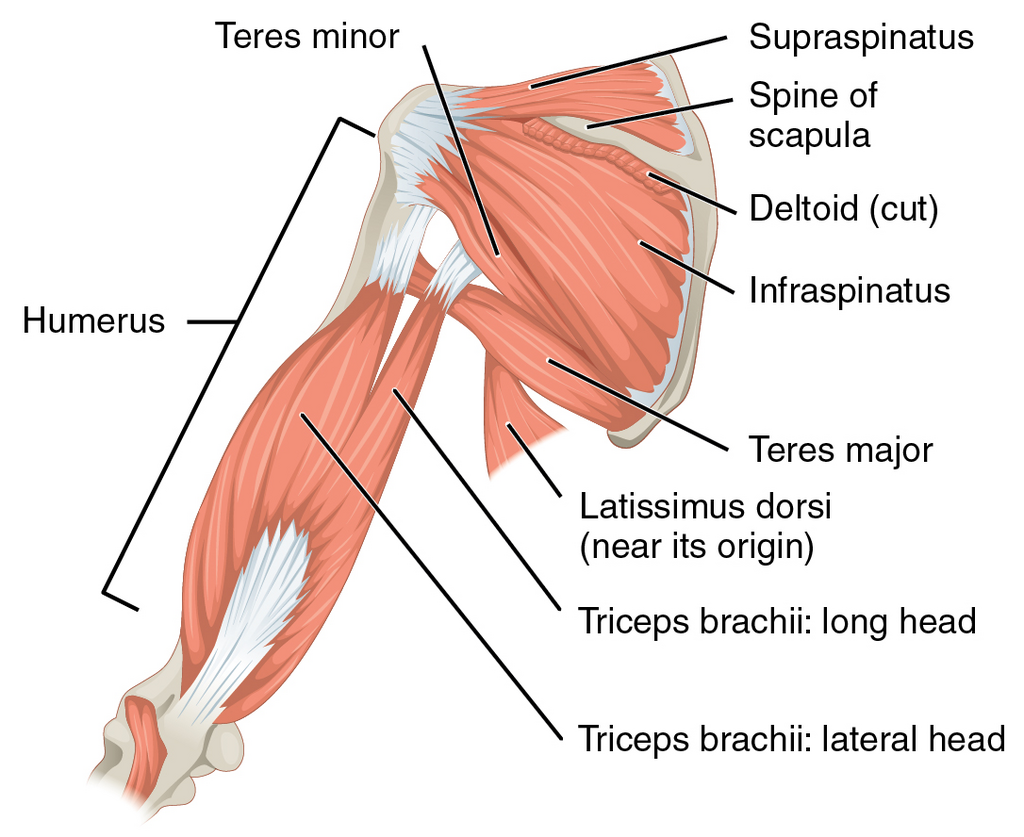
Like any hard-working part of the body, this tendon can get overworked. When it becomes inflamed and irritated, the condition is known as triceps tendonitis. It's a common issue, especially for people who frequently engage in activities that put a lot of stress on their arms.
What Causes the Pain?
Triceps tendonitis typically isn't the result of a single, dramatic injury. Instead, it usually develops over time from repetitive strain. Think of it as a wear-and-tear issue. The constant pulling and stress on the tendon can cause tiny microtears to form, faster than the body can heal them. This leads to inflammation and pain.
Several factors can contribute to this problem:
- Overuse: Performing the same arm-straightening motions again and again is a primary culprit. This is common in weightlifting (think bench presses, push-ups, and dips), as well as in sports like baseball, tennis, and volleyball.
- Improper Technique: Using poor form during exercises places unnatural stress on the tendon. For example, flaring your elbows too wide during a push-up or lowering a weight too quickly can overload the triceps tendon.
- Sudden Increase in Activity: Jumping into an intense workout routine without giving your body time to adapt is a recipe for injury. If you suddenly double the weight you lift or the number of sets you perform, your tendons may not be ready for the new load.
Overuse injuries — like swimmer’s shoulder, runner’s knee and tennis elbow — tend to come on gradually but can cause just as much damage, so teach your athlete how to listen to their body.
Essentially, the tendon is being asked to handle more stress than it's conditioned for. Over time, this cumulative strain triggers an inflammatory response.
Listening to Your Body
Recognizing the symptoms of triceps tendonitis early is key to preventing a minor annoyance from becoming a chronic problem. The signs are usually straightforward and localized to the back of the elbow.
Common symptoms include:
- A dull ache or burning pain at the back of the elbow, especially during or after activity.
- Pain that worsens when you straighten your arm against resistance.
- Tenderness to the touch where the tendon attaches to the elbow bone.
- Mild swelling or warmth around the elbow.
- A feeling of weakness or stiffness in the arm.
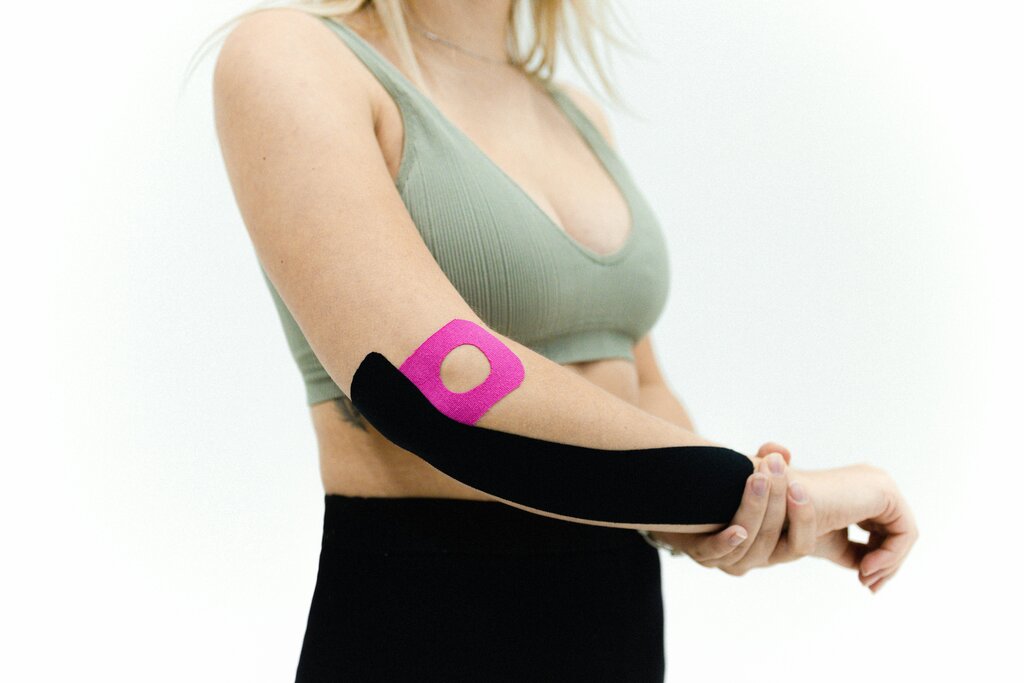
If you notice these symptoms, it's your body's way of telling you that the tendon is under too much stress. Ignoring the pain and pushing through it can worsen the microtears and prolong the recovery process.
The Role of Load Management
The first and most important step in addressing tendonitis is managing the load on the affected tendon. This doesn't necessarily mean complete rest, but rather reducing or modifying the activities that cause pain. The goal is to give the tendon a chance to heal without overloading it.
Load management involves finding a balance. You want to reduce stress enough to allow for recovery, but not so much that the tendon becomes weaker from inactivity. Think of it as dialing back the intensity. You might need to temporarily stop specific exercises, lower the weight you're lifting, or reduce the frequency of your workouts.
The key is to find a level of activity that doesn't provoke your symptoms. This allows the inflammation to subside while maintaining as much strength and function as possible.
By carefully managing the demands placed on your triceps tendon, you create the right environment for healing. This is the foundation upon which all other recovery strategies are built.
What is the primary function of the triceps muscle?
Which of the following is NOT a common symptom of triceps tendonitis?
Paying attention to how your body feels and adjusting your activities accordingly is the most effective way to manage and prevent triceps tendonitis.