Managing Pre-eclampsia in Pregnancy
Introduction to Pre-eclampsia
A Sudden Turn in Pregnancy
Pregnancy is a journey with many expected changes, but some complications can arise unexpectedly. One of the most serious is pre-eclampsia, a condition characterized by high blood pressure that develops after 20 weeks of gestation. It's more than just hypertension; pre-eclampsia is a complex disorder that can affect organs throughout the body, including the liver, kidneys, and brain.
Before the 20-week mark, a pregnancy might be progressing smoothly. Then, symptoms can begin to appear, signaling that something has changed. This condition specifically arises in the second half of pregnancy, which is why consistent monitoring during this period is so important.
How Common Is It?
Pre-eclampsia is a global health issue, though its frequency varies. Worldwide, it complicates between 3% and 8% of all pregnancies. This means that for every 100 pregnancies, three to eight will be affected by this condition.
While most pregnancies with pre-eclampsia result in healthy babies, the condition is a leading cause of premature birth.
The numbers highlight its significance. It's not a rare, obscure complication but a relatively common one that pregnant individuals and their healthcare providers must watch for. Awareness and vigilance are key.
Why It Matters
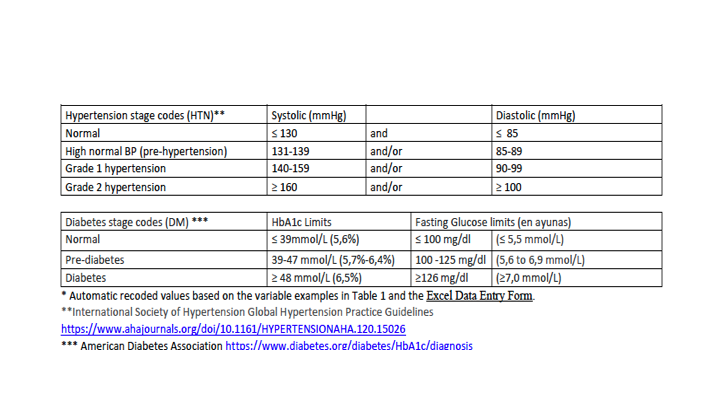
The primary concern with pre-eclampsia is its potential to cause serious, even life-threatening, problems for both the mother and the baby. For the mother, untreated pre-eclampsia can progress to eclampsia, which involves seizures and is a medical emergency. It can also lead to organ damage, particularly to the kidneys and liver, and increases the risk of cardiovascular disease later in life.
For the baby, pre-eclampsia can interfere with the function of the placenta, the organ that delivers oxygen and nutrients. This can lead to poor fetal growth, low birth weight, and breathing difficulties for the newborn. In many cases, the only effective way to stop the progression of pre-eclampsia is to deliver the baby, which often means a preterm birth.
Early detection is critical. Identifying pre-eclampsia allows doctors to manage the condition and make the best decisions for the health of both mother and child.
Understanding the basics of what pre-eclampsia is, how common it is, and the risks it carries is the first step in navigating this challenging but manageable pregnancy complication.