Managing Postural Hypotension in Geriatric Care
Geriatric Autonomic Pathophysiology
The Failing Safety Net
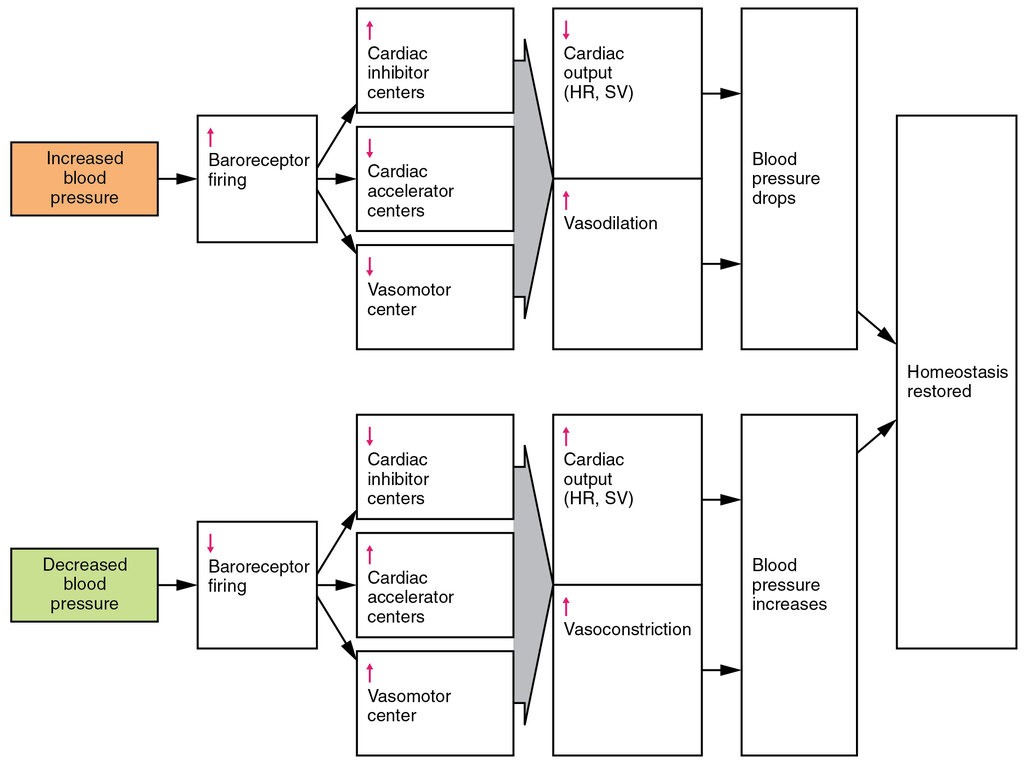
Your body has a sophisticated, automatic system for managing blood pressure called the baroreflex. Think of it as a biological thermostat. When you stand up, gravity pulls blood down into your legs, and your blood pressure momentarily drops. Sensory nerves in your major arteries, called baroreceptors, detect this change and send an urgent signal to the brainstem. In response, the brainstem commands the sympathetic nervous system to increase heart rate and constrict blood vessels, instantly pushing your blood pressure back to normal.
This reflex operates on a constant feedback loop, with an afferent limb (the sensors sending signals) and an efferent limb (the system carrying out commands). In youth, this system is exquisitely sensitive and rapid. With age, however, this crucial safety net begins to develop holes, leading to a state of dysregulation.
When the Signal Fades
The primary point of failure in the aging baroreflex is the afferent limb, the part that sends the initial signal. Over decades, the body's largest arteries, particularly the aorta and the carotid sinuses where baroreceptors are concentrated, become stiff and less pliable. This process, known as arteriosclerosis, means the arterial walls don't stretch as easily in response to pressure changes.
Because the baroreceptors are stretch-activated, this stiffening effectively muffles them. When an older adult stands up and their blood pressure drops, the arterial wall doesn't deform enough to adequately trigger the nerve endings. The signal sent to the brainstem is blunted, or in some cases, barely sent at all. The brain, receiving a weak or non-existent alarm, fails to mount a timely or sufficient counter-response.
Vascular ageing is characterized by the loss of elasticity in the wall of the aorta and as a consequence there is increased central arterial (aortic) stiffness.
A Problem of Reception
Even when a signal does get through to the brainstem, the efferent or response limb faces its own challenges. The sympathetic nervous system attempts to compensate by releasing the neurotransmitter noradrenaline into the bloodstream. This chemical messenger is supposed to bind to specific sites on blood vessels, called alpha-1 adrenergic receptors, telling them to constrict.
However, with age, these receptors become less sensitive. It's like a key that no longer fits the lock perfectly. The blood vessels don't respond as robustly to the noradrenaline signal. This creates a paradoxical situation often seen in geriatric patients: high circulating levels of noradrenaline, but a weak vasoconstrictive response. The body is shouting, but the blood vessels aren't listening effectively.
Adding to this, the heart muscle itself becomes less compliant, or stiffer, with age. This means it can't increase its stroke volume (the amount of blood pumped with each beat) as quickly or forcefully. So, both mechanisms for raising blood pressure, constricting vessels and pumping more blood, are impaired.
This combination of afferent signaling failure, efferent receptor desensitization, and reduced cardiac compliance creates the perfect storm for (OH). It's not just a single point of failure but a systemic breakdown in a once-reliable reflex. Understanding these specific age-related changes is the key to diagnosing and managing blood pressure instability in the geriatric population.