Managing Large PE Classes
Understanding Classroom Management
What is Classroom Management?
Classroom management is much more than just telling students what to do. It’s the process of creating and maintaining an environment where learning can thrive. It involves organizing the physical space, establishing routines, and building positive relationships so that students feel safe, engaged, and ready to learn.
Classroom management includes all actions teachers take to create an environment that supports academic learning, self-regulation, and social and emotional development.
Without effective management, even the best lesson plans can fall apart. When students understand expectations and feel respected, they're more likely to participate, cooperate, and challenge themselves. This foundation of order and respect allows teachers to focus on teaching and students to focus on learning.
Theories Behind the Practice
Different theories guide how teachers approach classroom management. Some focus on rewards and consequences, while others prioritize student self-regulation. One helpful framework is the pain model of behavior management.
This model suggests that misbehavior is often a symptom of an underlying issue or “pain.” This isn't physical pain, but rather emotional or psychological distress from unmet needs. A student might act out because they feel misunderstood, are struggling with the material, or are dealing with problems outside of school. Instead of just reacting to the behavior, the goal is to identify and address the root cause.
By understanding this, a teacher can shift their perspective. A disruptive student may not be intentionally causing trouble, but rather communicating an unmet need. The challenge is to look past the surface-level behavior and ask, “What is really going on here?”
The Gym is Different
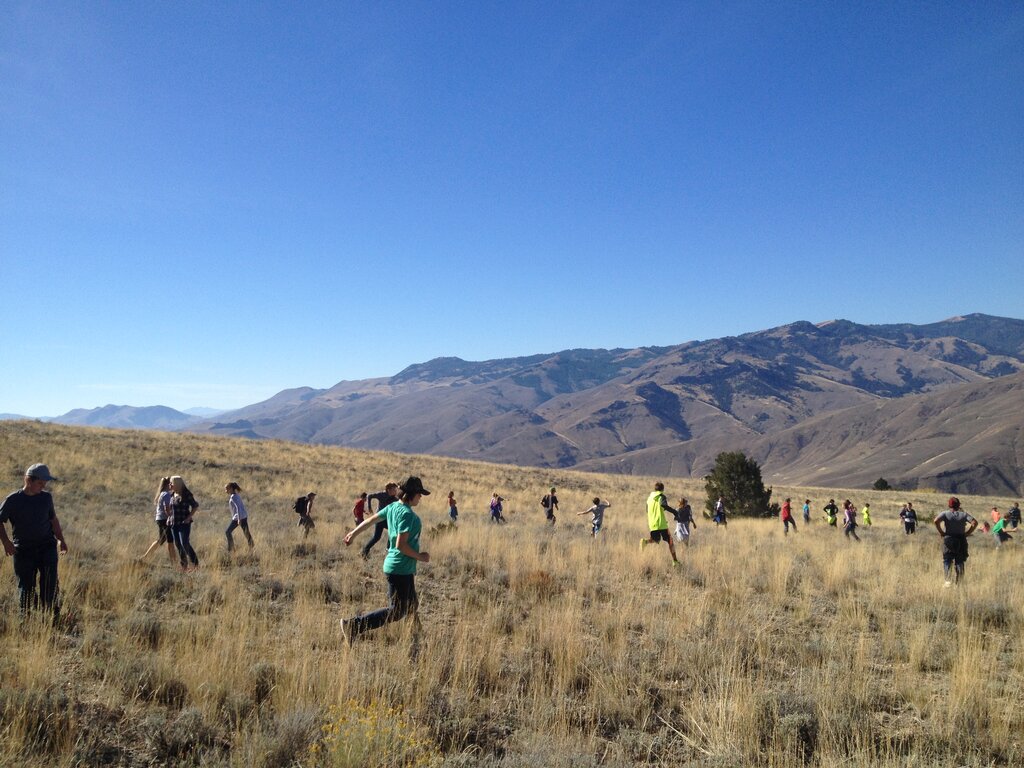
Managing a physical education class presents unique challenges. Unlike a traditional classroom, a gym or athletic field is a large, open space filled with dynamic movement and equipment. This environment requires a different approach to management.
One of the biggest hurdles is often the class size. PE classes can be significantly larger than academic classes, making individual attention more difficult. The inherent noise and activity can also make it harder to give instructions and maintain focus. Furthermore, safety is a constant consideration, from using equipment properly to ensuring students are aware of their surroundings. All these factors demand management strategies tailored specifically for the active, and sometimes chaotic, world of PE.
Ready to check your understanding?
What is the primary purpose of effective classroom management?
According to the pain model of behavior management, student misbehavior is often a symptom of...
Understanding these foundational concepts is the first step. Next, we'll explore specific strategies to put these ideas into practice.