Managing Dopamine Levels
Dopamine Basics
The Body's Multitasker
You've likely heard of dopamine, often called the “feel-good” chemical. While it does play a role in pleasure, its job is far more complex. Dopamine is a versatile chemical messenger that acts as both a neurotransmitter in your brain and a hormone in your body. This means it helps nerve cells communicate and also travels through your bloodstream to influence various organs.
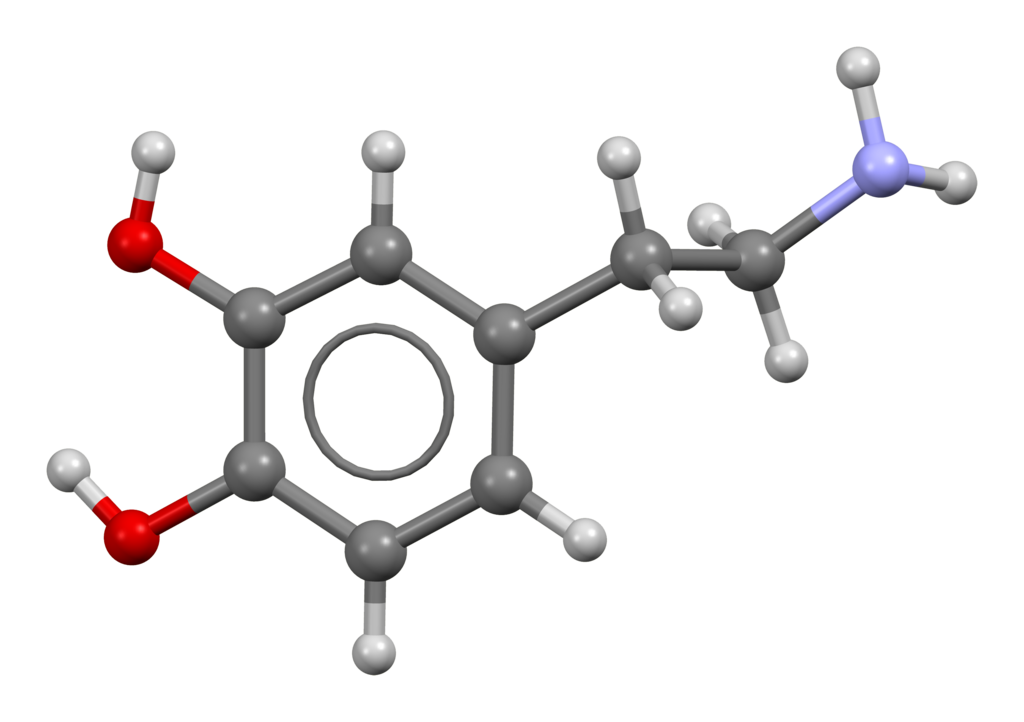
At its core, dopamine is a specific type of molecule called a monoamine. Its structure allows it to interact with special receptors on your cells, like a key fitting into a lock.
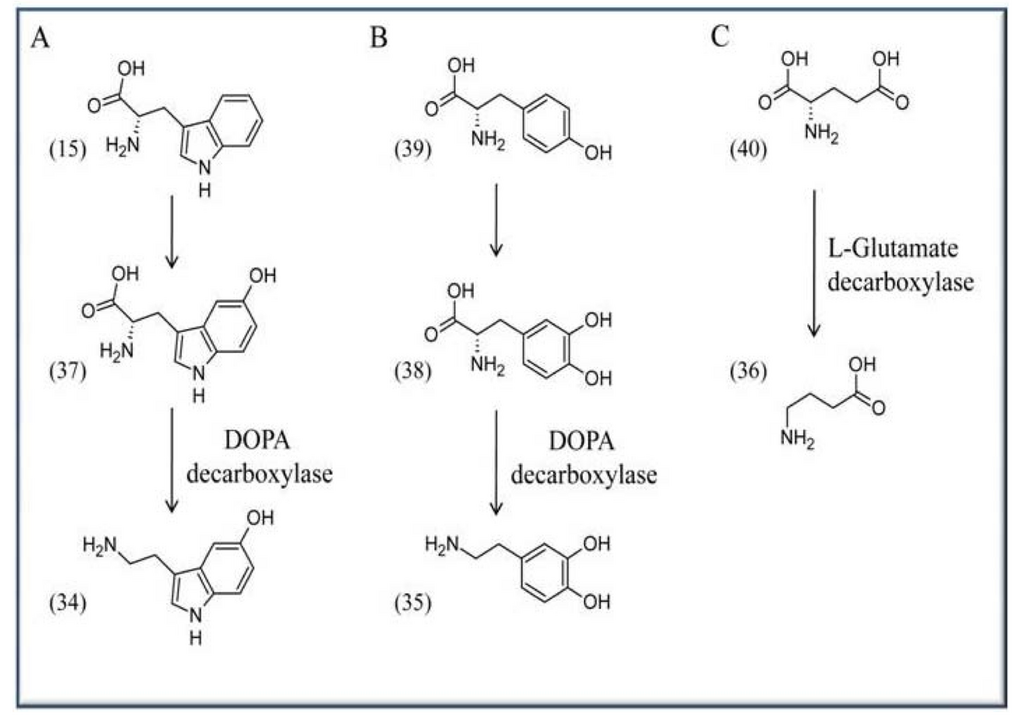
Your body doesn't just pull dopamine out of thin air. It synthesizes it through a fascinating chemical process. The journey starts with an amino acid called tyrosine, which you get from protein-rich foods like chicken, almonds, and avocados. Through a series of steps involving specific enzymes, your body converts tyrosine into a precursor molecule called L-DOPA, which is then transformed into dopamine.
A Messenger Between Neurons
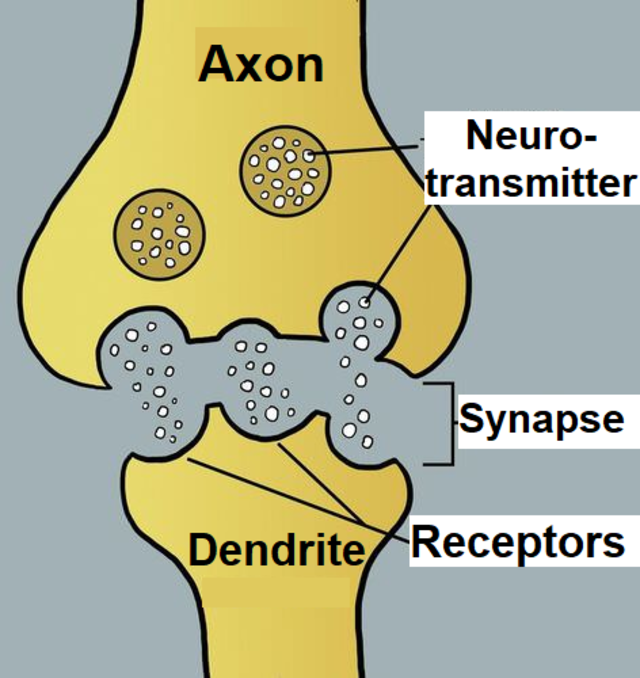
Inside the brain, dopamine's primary role is to be a neurotransmitter. Think of your nervous system as a vast network of telephone lines, with tiny gaps between each connection. For a message to cross from one nerve cell (a neuron) to the next, it needs a chemical courier.
When a neuron needs to send a signal, it releases dopamine into the small gap, called a synapse. This dopamine then travels across the synapse and binds to receptors on the receiving neuron, passing the message along. This process happens in fractions of a second, allowing for rapid communication throughout the brain.
Dopamine's Brain Jobs
In the central nervous system, dopamine wears many hats. It's crucial for coordinating smooth, controlled movements. It's also a key player in motivation, helping to drive you toward goals and rewards. When you accomplish something, that feeling of satisfaction is partly thanks to a surge of dopamine, which reinforces the behavior.
Dopamine is often referred to as the “feel-good” neurotransmitter, but its influence goes far beyond just making us feel happy.
This reward system is fundamental. It's not just about feeling good; it's about learning. By associating certain actions with a rewarding feeling, dopamine helps your brain remember what's beneficial, encouraging you to repeat those actions in the future.
Beyond the Brain
Dopamine's influence extends beyond your head. In the rest of the body, it functions as a hormone, affecting different systems in different ways.
In your cardiovascular system, dopamine can cause blood vessels to widen or constrict, which helps regulate blood flow and blood pressure. In your kidneys, it plays a role in managing salt and water balance by increasing urine output. It also has functions in the pancreas, where it can influence insulin production, and in the immune system, where it can affect the activity of certain immune cells.
What are the two primary roles dopamine plays in the body?
The synthesis of dopamine in the body begins with which amino acid?
Understanding these basic roles is the first step to appreciating dopamine's profound impact on both our physical and mental well-being.