Managerial Office Management
Introduction to Managerial Office Management
The Heart of the Operation
Every successful organization has a well-run office at its core. Managerial office management is the art and science of planning, organizing, and controlling the administrative activities required to achieve business goals. It’s not just about keeping the lights on and the printers stocked; it's about creating a system that allows everyone to do their best work.
The scope is broad. It covers everything from designing office layouts and managing communication systems to overseeing budgets and ensuring health and safety standards are met. A great office manager acts as the central nervous system, ensuring information and resources flow smoothly throughout the company, which is essential for smart decision-making.
The Evolution of the Office
Office management has transformed dramatically over the last century. Early offices were primarily centers for record-keeping and correspondence. They were paper-driven worlds where tasks were highly manual and specialized.
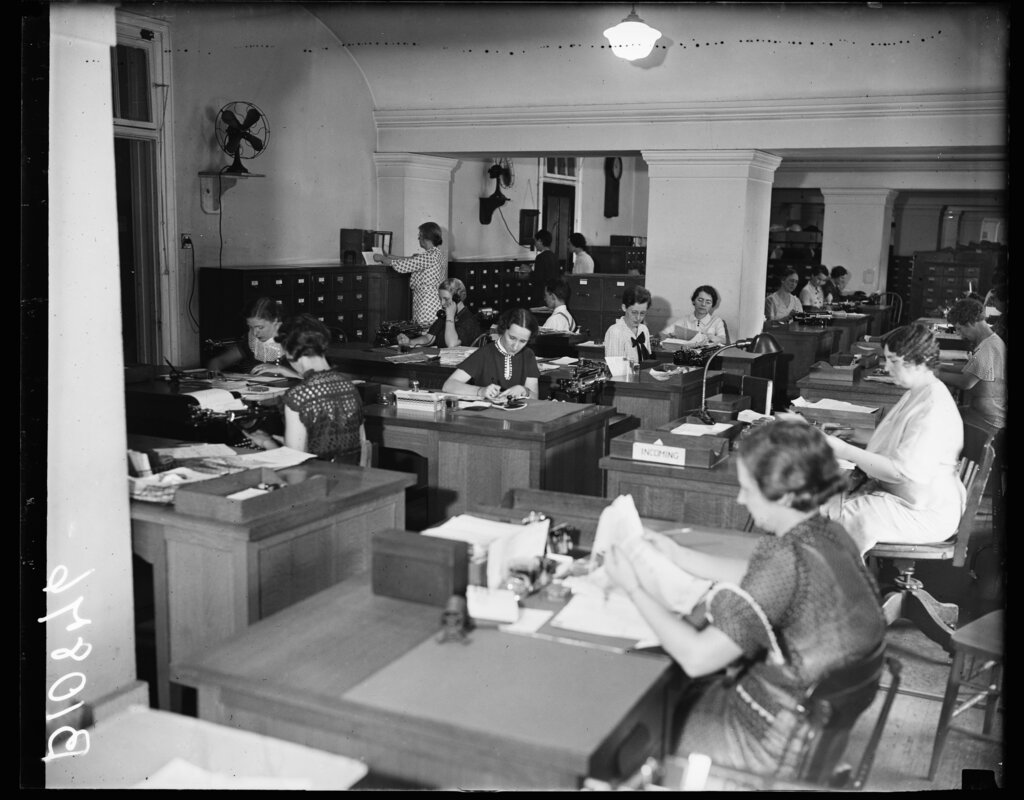
The introduction of typewriters, and later, computers, revolutionized administrative work. What was once a purely clerical function has evolved into a strategic role. Today’s office management focuses on technology integration, process optimization, and fostering a productive workplace culture. The focus has shifted from managing paper to managing people, processes, and performance in a dynamic environment.
Management vs Administration
The terms "management" and "administration" are often used interchangeably, but they represent different functions. Understanding the distinction is key to grasping the role of an office manager.
Administration is about doing things right. Management is about doing the right things.
Administration involves the day-to-day operational tasks that keep the office running. It's the execution of policies and procedures. Management, on the other hand, is a higher-level function focused on planning, decision-making, and guiding the team. Management sets the goals, and administration carries out the steps to reach them.
| Aspect | Management | Administration |
|---|---|---|
| Role | Guiding & Decisive | Implementing & Operational |
| Focus | Long-term strategy & goals | Day-to-day tasks & procedures |
| Function | Planning, Organizing, Leading | Executing, Supporting, Maintaining |
A successful office needs both. Strong management provides direction and vision, while efficient administration ensures the foundational work gets done reliably. An office manager often bridges this gap, performing both managerial and administrative duties.
The Modern Office Manager
The responsibilities of an office manager are diverse and critical to an organization's success. They are problem-solvers, coordinators, and leaders, all rolled into one.
An Effective Administrative Structure Must Be Extensively People Oriented in order to manage all the various complexities of physical, social, financial and spiritual aspects of the organization.
Key responsibilities typically include:
- Resource Management: This involves managing office supplies, equipment, and the physical workspace itself. They ensure the team has the tools they need, from software licenses to ergonomic chairs.
- Financial Duties: Office managers often handle budgets for administrative departments, process invoices, and manage petty cash. They play a crucial role in controlling operational costs.
- Communication Hub: They act as a central point for internal communication, distributing information from leadership and facilitating communication between departments.
- Process Improvement: A great office manager is always looking for ways to make things run more smoothly. This could mean streamlining a filing system, implementing new scheduling software, or improving the onboarding process for new hires.
- Team and Vendor Coordination: They supervise administrative staff, coordinate with IT for technical support, and manage relationships with external vendors like cleaning services or supply companies.
Ultimately, the office manager creates and maintains an environment where productivity and employee well-being can flourish. Their work directly impacts morale, efficiency, and the company's bottom line. Without effective office management, even the most brilliant strategies can falter due to internal chaos and inefficiency.