Management Control Fundamentals
Introduction to Management Control
Steering the Ship
Imagine a large ship setting sail for a distant island. The captain has a map and a destination—that’s the company's strategy. But how does the captain ensure the ship actually stays on course, avoids obstacles, and reaches the island? They can't personally control every sail and rudder. Instead, they use a system of communication, navigation tools, and crew responsibilities to guide the vessel. This guidance system is what we call management control.
Management control is the process by which managers influence other members of the organization to implement the organization's strategies.
It’s not about micromanaging every task. Instead, it’s about creating a framework that helps people make decisions that align with the company's broader goals. Without effective management control, different departments might work against each other, resources could be wasted, and the company would drift aimlessly, no matter how brilliant its strategy is on paper. It's the essential link between planning a journey and actually completing it.
Aligning Action with Ambition
A company’s strategic objectives are its high-level ambitions. This could be anything from becoming the market leader in a specific niche to achieving a certain level of sustainability. The primary role of management control is to translate these lofty goals into focused action throughout the organization.
Think of a company that sets a strategic objective to be the most innovative in its field. A management control system would help make this happen. It might involve:
- Resource Allocation: Dedicating a specific budget to research and development.
- Performance Measurement: Tracking the number of new products launched or patents filed.
- Incentives: Rewarding teams that develop successful new ideas.
These are not random activities. They are carefully designed controls that encourage and guide employees to behave in ways that push the company toward its innovative goal. The system ensures that the daily work of engineers, marketers, and product managers all contributes to the same strategic direction. It helps answer the question, "Is what we're doing today getting us closer to where we want to be tomorrow?"
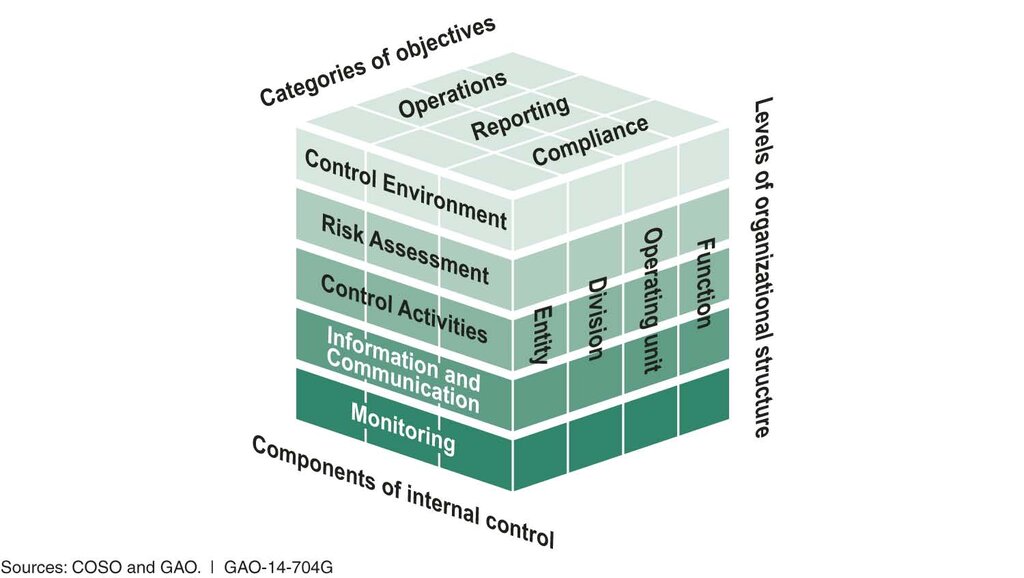
Different Levels of Control
The word "control" can mean different things in a business context. Management control is just one type. It’s helpful to distinguish it from two others: strategic control and operational control.
Strategic Control
noun
The process of monitoring and correcting a firm's strategy and performance. It asks, "Are our assumptions about the market still correct? Is this strategy still the right one for us?"
This is the highest level of control. It’s about looking at the map and deciding if the destination island is still the best place to go. Maybe a storm is brewing, or a new, better island has been discovered.
Operational control, on the other hand, is much more focused and short-term.
Operational Control
noun
The process of ensuring that specific tasks are carried out effectively and efficiently. It is focused on individual actions and transactions.
Management control sits between these two. It takes the strategy as a given and focuses on making sure the organization's resources are used effectively to achieve it. It's less about individual tasks and more about the performance of entire departments, divisions, or projects.
| Control Type | Key Question | Time Frame | Example |
|---|---|---|---|
| Strategic Control | Are we pursuing the right goals? | Long-term (Years) | Deciding whether to enter the electric vehicle market. |
| Management Control | Are we using our resources well? | Mid-term (Months/Qtr) | Reviewing a division's quarterly profit report. |
| Operational Control | Is this specific task done correctly? | Short-term (Day/Week) | Ensuring a customer service call follows the script. |
From Supervision to Systems
The idea of management control isn't new, but how it's practiced has changed dramatically. In the early days of industry, control was simple and direct. The owner of a small workshop could personally oversee every worker, ensuring tasks were done correctly. This was direct supervision, the most basic form of control.
As companies grew during the Industrial Revolution, that personal touch became impossible. A single manager couldn't watch hundreds or thousands of employees. This led to the development of more formal systems. Early on, the focus was almost entirely on financial numbers. Companies like DuPont and General Motors pioneered the use of accounting measures, like return on investment (ROI), to evaluate the performance of their sprawling divisions.
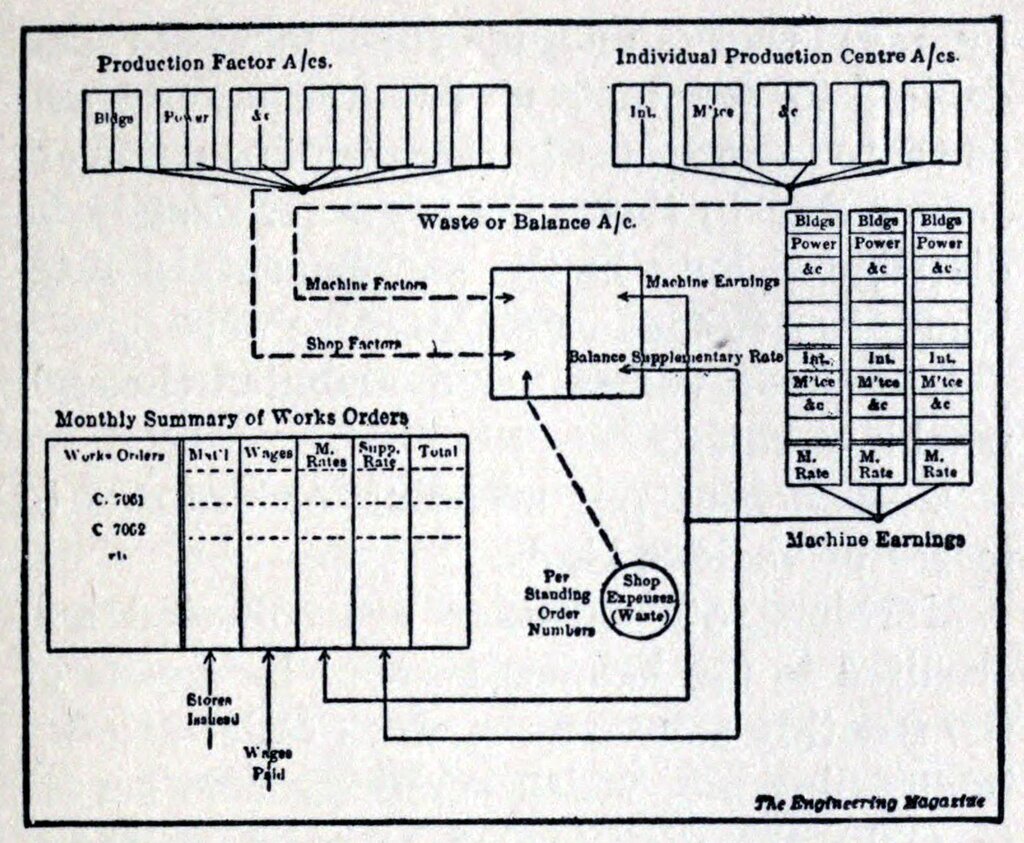
For a long time, these financial metrics were the heart of management control. However, in recent decades, thinking has evolved. Managers realized that focusing only on financial results gave an incomplete and often backward-looking picture of performance. This led to the development of more balanced approaches that include non-financial measures, like customer satisfaction, employee morale, and product quality.
Today, modern management control systems are sophisticated. They blend financial data with non-financial information, formal reporting with informal communication, and hard numbers with human judgment. The goal remains the same as it was in that small workshop: to ensure the organization is working together effectively to achieve its goals.
Now that you have a grasp of what management control is, let's test your understanding.
Using the analogy of a ship sailing to a distant island, what does 'management control' represent?
What is the primary role of a management control system?
Understanding these core ideas provides the foundation for exploring how managers design and use these systems to lead their organizations to success.