Malware Development Essentials
Introduction to Malware
What Is Malware?
The term "malware" is a blend of two words: malicious and software. It's a catch-all term for any software intentionally designed to cause disruption, steal data, or gain unauthorized access to a computer system. Think of it as a digital intruder with bad intentions.
malware
noun
Software specifically designed to disrupt, damage, or gain unauthorized access to a computer system.
Unlike a program that accidentally has a bug, malware is built from the ground up to be harmful. It operates in the background, often without the user's knowledge, carrying out its creator's instructions.
The Malware Family
Malware comes in many forms, each with its own method of attack. Understanding the different types is the first step toward recognizing and defending against them.
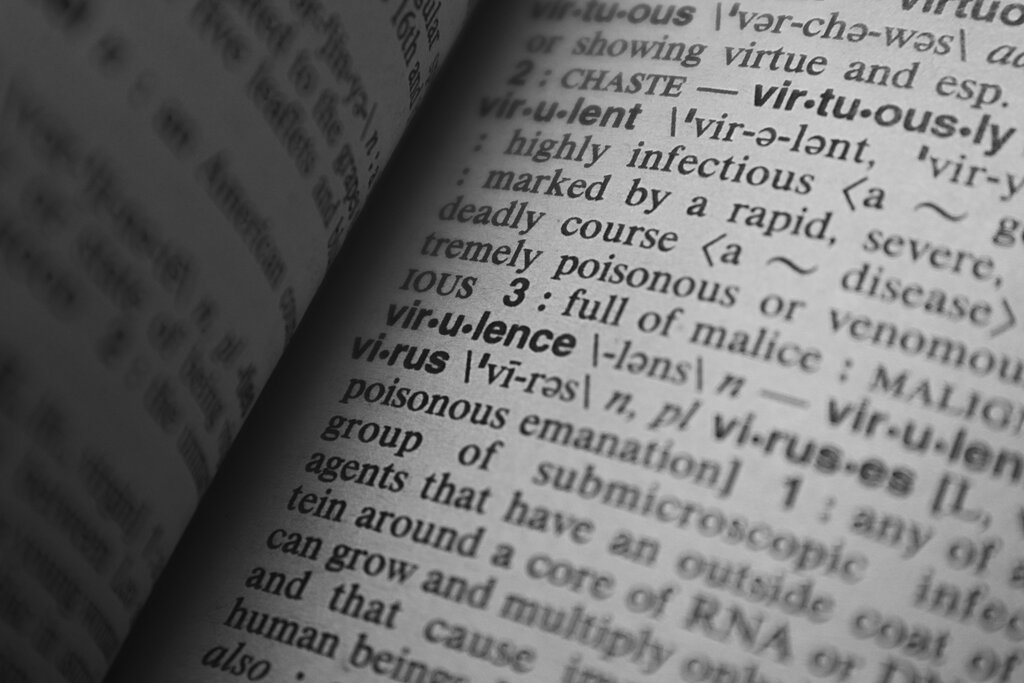
Viruses are a classic type of malware. Much like a biological virus, a computer virus attaches itself to a clean file, program, or the boot sector of a hard drive. When the user runs the infected file, the virus activates and spreads to other files on the computer. They rely on human action, like opening an infected email attachment, to spread from one machine to another.
Worms are similar to viruses but more independent. A worm can replicate itself and spread across computer networks without any human help. It exploits security vulnerabilities to travel from one computer to the next, often creating massive, self-sustaining infections. The infamous ILOVEYOU worm from 2000 spread to millions of computers by sending copies of itself to contacts in users' email address books.
Key difference: A virus needs a host program to spread, while a worm is a standalone program that can spread on its own.
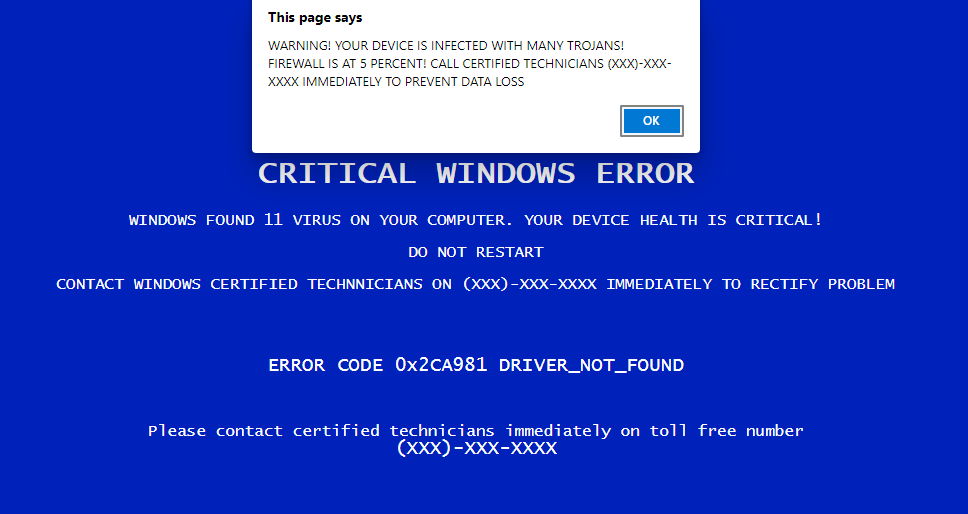
Trojans, or Trojan horses, are masters of disguise. They trick users into installing them by pretending to be legitimate software, like a game or a utility app. Once inside, the trojan opens a "backdoor" that allows attackers to access the system, steal data, or install other malware. The name comes from the ancient Greek story where soldiers hid inside a giant wooden horse to infiltrate the city of Troy.
Ransomware is a particularly nasty form of malware that encrypts your files, making them completely inaccessible. The attackers then demand a ransom payment, often in cryptocurrency, in exchange for the decryption key. There's no guarantee you'll get your files back even if you pay. Ransomware attacks can paralyze individuals, hospitals, and entire city governments.
Spyware does exactly what its name suggests: it spies on you. This malware secretly gathers information from your computer without your consent. It can log your keystrokes to steal passwords and credit card numbers, record your browsing habits, or even activate your webcam.
Rootkits are designed for stealth and persistence. They burrow deep into a computer's operating system, gaining "root" or administrator-level access. A rootkit can hide its own files and processes, as well as other malware, making it extremely difficult to detect and remove. It gives an attacker complete and hidden control over the infected machine.
| Malware Type | Primary Function | How It Spreads |
|---|---|---|
| Virus | Infects and corrupts files | Attaches to files; needs human action to spread |
| Worm | Self-replicates across networks | Exploits vulnerabilities; spreads automatically |
| Trojan | Deceives user to gain access | Disguised as legitimate software |
| Ransomware | Encrypts files for a ransom | Often via trojans or phishing emails |
| Spyware | Steals personal information | Bundled with other software or via trojans |
| Rootkit | Hides its presence and gains deep access | Often installed by other malware or exploits |
A Brief History of Malware
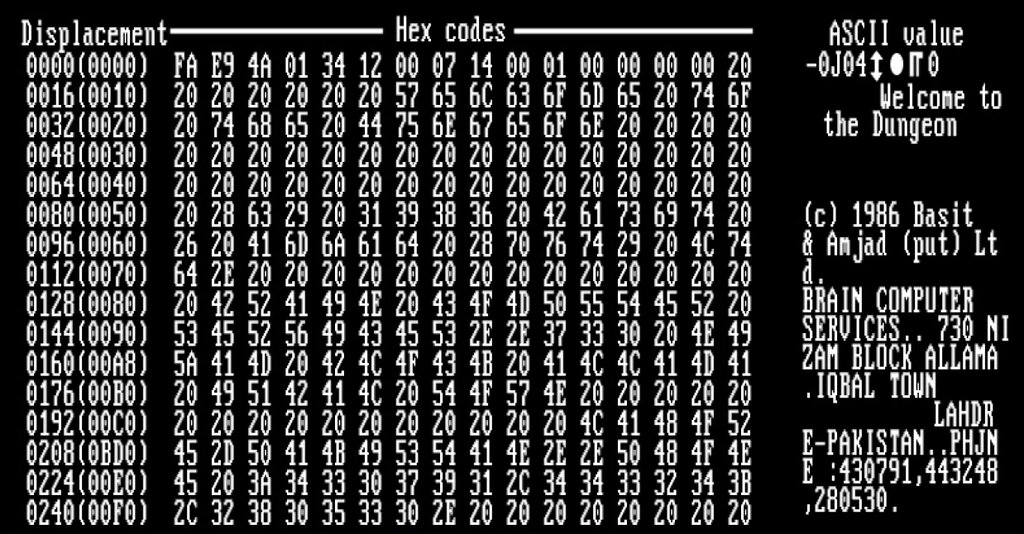
The first pieces of malware weren't created for criminal purposes. Early viruses in the 1970s and 80s were often experiments or pranks created by programmers exploring the new digital frontier. The Brain virus, released in 1986, is considered the first PC virus. It was created by two brothers in Pakistan to deter people from pirating their medical software.
As the internet grew, so did the potential for malware. The 1990s and early 2000s saw the rise of email worms and macro viruses that spread rapidly. Over time, the motivation shifted from mischief to money. Today, malware is a key tool in a massive underground economy, used for everything from simple credit card theft to complex international espionage.
Attackers' motivations generally fall into a few categories:
- Financial Gain: This is the most common driver. Cybercriminals use ransomware, spyware, and trojans to steal money, banking credentials, and personal data that can be sold on the dark web.
- Espionage: Governments and corporations use malware to spy on rivals, steal trade secrets, and gather intelligence.
- Hacktivism: Some attackers use malware to make a political statement, disrupt the operations of an organization they disagree with, or leak sensitive information.
Malware isn't just a security risk; it can consume your PC's resources and slow it down.
The impact of malware is huge, affecting individuals, companies, and even national security. Understanding these threats is the first step toward building a strong defense.
What is the primary difference between a computer virus and a worm?
You download a free game, but after installation, you notice your computer is running slowly and an attacker seems to have access to your files. This is a classic example of what type of malware?
Now that you're familiar with the basics of malware, you're better prepared to spot and avoid these digital threats.