Mallorcan Flavors
Introduction to Mallorcan Cuisine
The Flavors of an Island
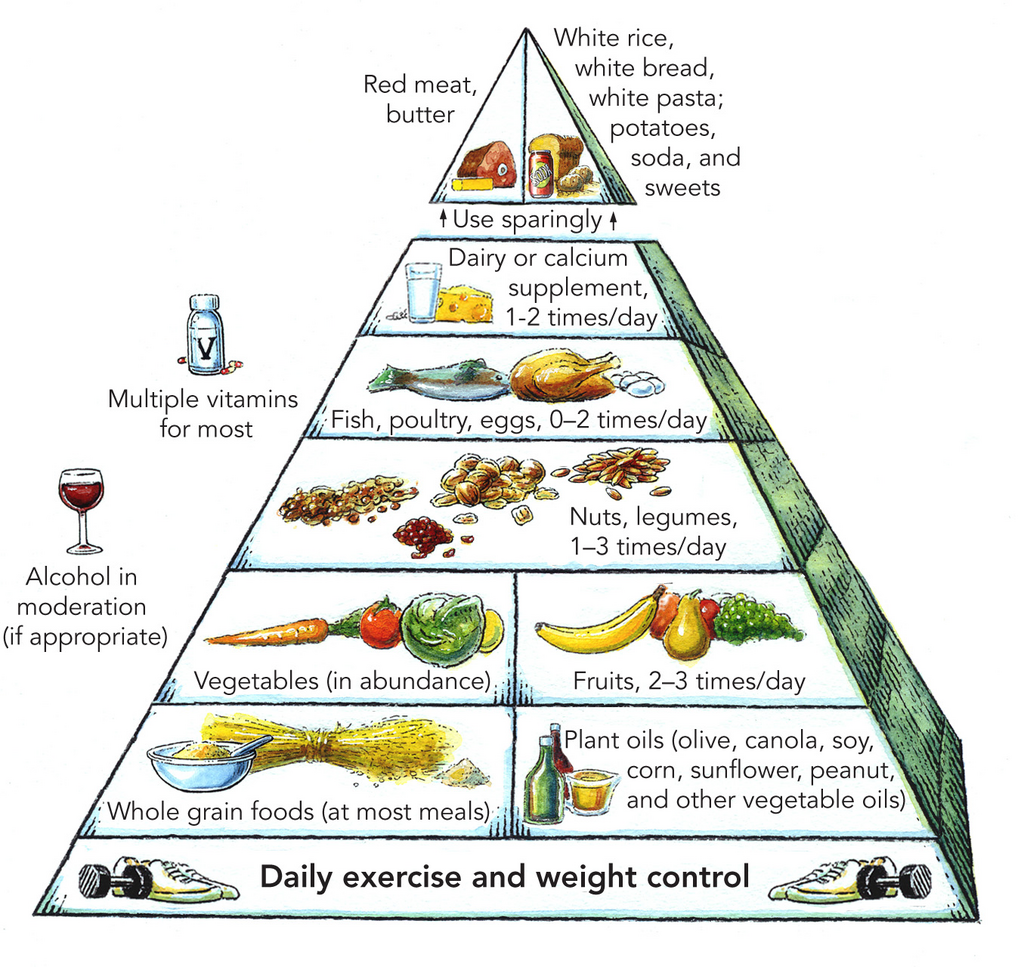
Mallorca is more than just a beautiful Spanish island; it's a culinary world of its own. Situated in the heart of the Mediterranean Sea, its cuisine is built on the foundations of the classic Mediterranean diet. This means a heavy reliance on fresh, local, and seasonal ingredients.
Think of staples like olive oil, fresh vegetables such as tomatoes and bell peppers, legumes, and lean proteins, especially fish and seafood caught from the surrounding waters. This way of eating is not just a diet but a lifestyle, one that emphasizes simplicity and lets the quality of the ingredients shine through.
A History on the Plate
Mallorcan food tells the story of the island's past. Over centuries, various cultures have left their mark, each adding a new layer to the local cuisine. The Romans, for instance, introduced olives and grapes, laying the groundwork for the island's celebrated olive oil and wine production.
Later, the Moors, who ruled for over 300 years, revolutionized agriculture with advanced irrigation techniques. They brought with them almonds, citrus fruits like oranges and lemons, and a variety of spices such as saffron and nutmeg. These ingredients are now fundamental to many Mallorcan dishes.
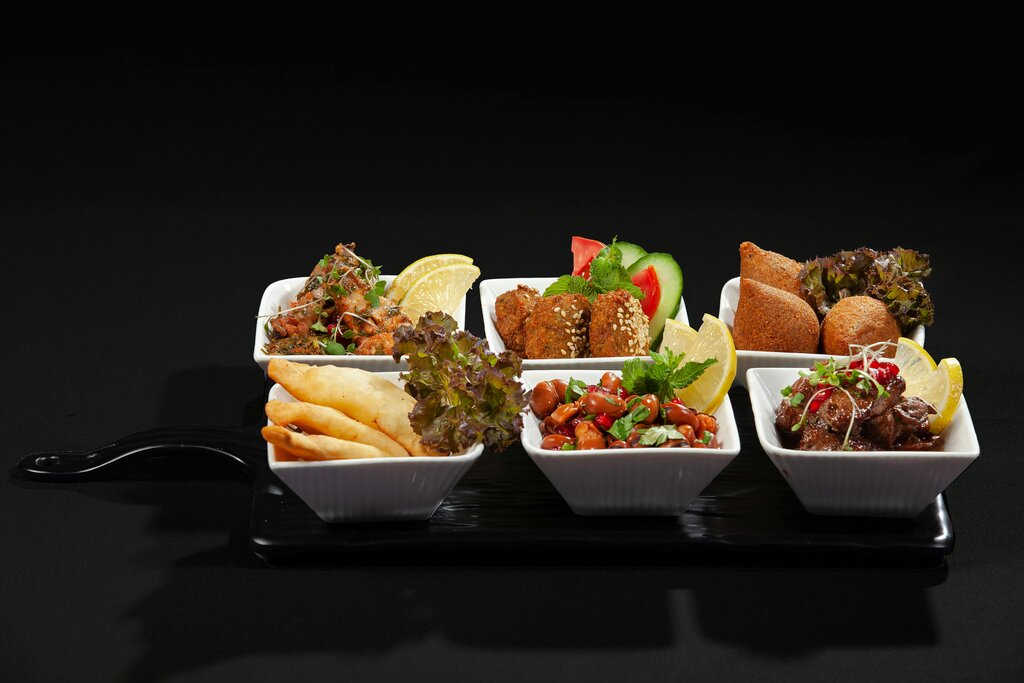
Following the Christian reconquest, Catalan and mainland Spanish traditions were integrated, solidifying the culinary identity we see today. This blend of influences makes Mallorcan food uniquely rustic yet sophisticated.
From Roman olive groves to Moorish almond trees, Mallorca's cuisine is a living history of the Mediterranean.
This rich historical and geographical context is the secret behind the island's vibrant and distinct flavors. Now, let's test your knowledge.
Mallorcan cuisine is fundamentally based on which dietary pattern?
Which culture introduced almonds, citrus fruits, and spices like saffron to Mallorca?
Understanding this background sets the stage for exploring the specific dishes and ingredients that make Mallorcan cuisine so special.