Male Sexual Wellness and Solo Exploration
Biological Health Benefits
More Than Just Pleasure
Beyond the immediate feelings of pleasure and release, self-stimulation has tangible effects on the body’s internal systems. These are not fringe theories but observable biological processes, starting with one of the most-discussed benefits: prostate health.
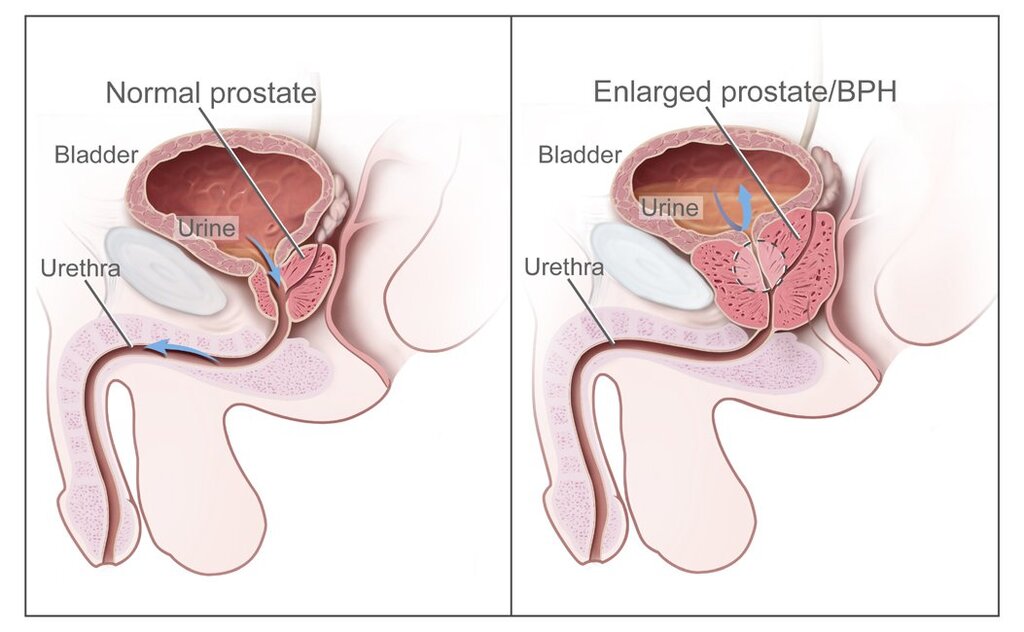
The prostate is a small gland responsible for producing seminal fluid. Over time, harmful substances can accumulate in this fluid. Regular ejaculation helps flush out these substances, which is thought to lower the risk of developing prostate cancer. Think of it like changing the oil in your car; regular maintenance prevents bigger problems down the road.
A significant Australian study tracked thousands of men for several years. The findings were compelling: men who ejaculated more frequently (21 or more times a month) showed a significantly lower risk of prostate cancer compared to those who ejaculated less often (4 to 7 times a month). While correlation isn't causation, this regular clearing of prostatic ducts is a leading hypothesis for the protective effect.
A Cocktail of Calming Chemicals
The moments during and after orgasm trigger a complex cascade of neurochemicals in the brain. This isn't just a vague feeling of well-being; it's a measurable shift in your brain chemistry. The most prominent players are endorphins, dopamine, and oxytocin.
Endorphins are your body's natural pain and stress relievers. Released during orgasm, they produce a sense of euphoria and relaxation. Dopamine, often called the “feel-good” neurotransmitter, is released in anticipation of and during pleasurable activities. It reinforces behaviors by creating a powerful sense of reward and satisfaction.
Finally, oxytocin is released, fostering feelings of closeness and relaxation. It also plays a crucial role in managing stress by helping to lower cortisol levels. Cortisol is the body's primary stress hormone, and chronically high levels can lead to a host of health issues. By promoting oxytocin release, orgasm provides a natural counterbalance to daily stress.
| Neurochemical | Primary Role in Sexual Response |
|---|---|
| Endorphins | Natural pain relief, euphoria, stress reduction |
| Dopamine | Motivation, reward, pleasure |
| Oxytocin | Bonding, relaxation, counters stress hormone cortisol |
| Prolactin | Satiety, sleepiness after orgasm |
Masturbation is a natural, healthy way for men to explore their bodies, relieve stress, and enhance sexual wellness.
Better Sleep and a Stronger Defense
The relaxing aftermath of an orgasm can be a powerful sleep aid. This is largely due to the hormone prolactin, which is released after ejaculation. Prolactin levels are naturally higher during sleep, and the surge following an orgasm can induce feelings of drowsiness and satisfaction, making it easier to fall asleep and potentially improving sleep quality.
Beyond sleep, sexual arousal and orgasm may also give your immune system a slight boost. Some studies have indicated that individuals who engage in regular sexual activity show higher levels of Immunoglobulin A (IgA) in their saliva. IgA is an antibody that serves as one of the body's first lines of defense against common pathogens like the cold and flu.
Regular self-stimulation is a key component of a healthy relationship with one's own body. It’s a mechanism for stress relief, a potential boost for the immune system, and an important practice for long-term prostate health.
According to the provided text, what is the leading hypothesis for how frequent ejaculation may lower the risk of prostate cancer?
Which neurochemical is known as the body's natural pain and stress reliever, released during orgasm to produce euphoria?