Making Markets with Automated Systems
Trading Basics
Where Buyers Meet Sellers
At its core, a market is simply a place where people who want to buy something can meet people who want to sell something. Think of a local farmers market. One person has apples to sell, and another person wants to buy apples. They agree on a price, make an exchange, and both walk away happy. This principle applies to everything from apples to stocks to airline tickets.
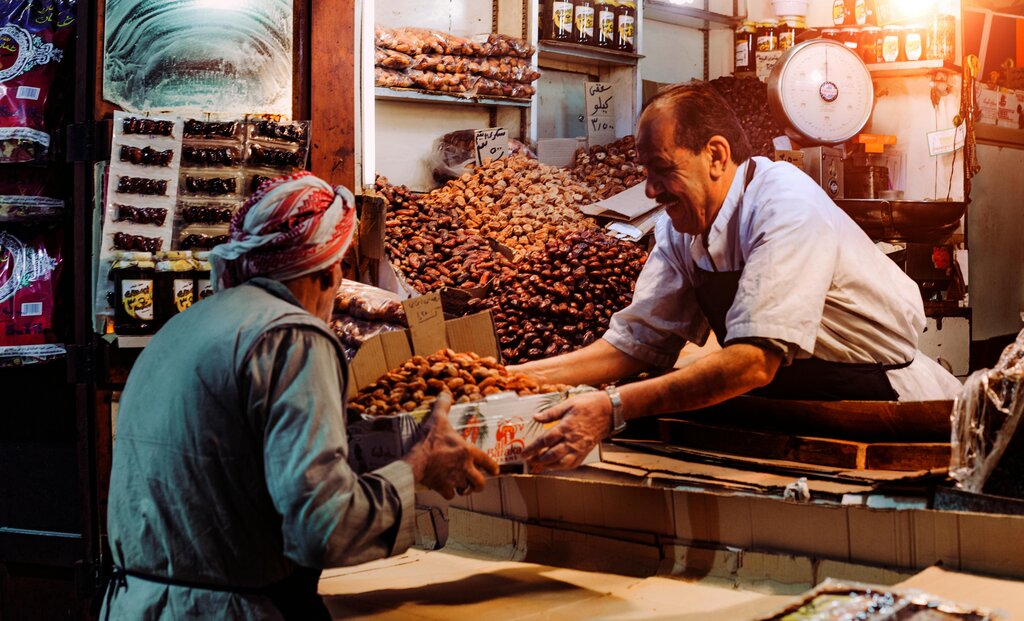
But what happens when there are hundreds of buyers and sellers, all wanting to trade at different prices? If you want to sell your apples for $1.10, but the only person buying only wants to pay $1.00, no deal is made. The market stalls. To solve this, organized markets use a system to keep track of all the offers.
The Order Book
Modern markets use an order book to manage this process. It’s essentially a digital list of all the buy and sell orders for a specific item at any given moment. The list of buy orders is called the “bids,” and the list of sell orders is called the “asks.”
| Bids (Buy Orders) | Price | Asks (Sell Orders) |
|---|---|---|
| 100 Apples | $1.05 | |
| 150 Apples | $1.00 | |
| Price | ||
| $1.10 | 200 Apples | |
| $1.15 | 50 Apples |
In this example, the highest price a buyer is willing to pay is $1.05. This is the best bid. The lowest price a seller is willing to accept is $1.10. This is the best ask. Notice there's a gap between them. For a trade to happen automatically, either a buyer has to raise their bid to $1.10, or a seller has to lower their ask to $1.05. This gap is called the spread.
The Problem of Waiting
The order book system works well, but it can be slow. If you want to sell your apples right now, you might have to wait a long time for a buyer to show up who is willing to pay your price. This waiting problem can bring a market to a standstill. If you can't easily buy or sell an asset when you want to, the market isn't very useful.
This is where a special participant comes in: the s. They are individuals or firms whose job is to solve the waiting problem. A market maker is like the currency exchange booth at an airport. They are always ready to buy dollars from you, and always ready to sell you euros. You never have to wait for another tourist to show up to make a trade.
Market makers play an important role in providing liquidity to markets by continuously quoting prices at which they are willing to buy and sell, and managing inventory risk.
Market makers don’t do this for free. They make money on the —the same gap we saw in the order book. They might offer to buy your apples for $1.08 (their bid) and simultaneously offer to sell apples for $1.09 (their ask). The one-cent difference is their profit for providing the service of being always available to trade. They are providing liquidity.
Liquidity
noun
The ease with which an asset can be bought or sold without causing a significant change in its price.
Liquidity is the lifeblood of a healthy market. High liquidity means there are many buyers and sellers, making it fast and easy to trade without the price slipping too much. Low liquidity means the opposite; it's hard to trade, and a single large order can dramatically move the price. The service provided by market makers is essential for keeping traditional markets liquid and efficient.