Making Friends
Understanding Social Needs
The Social Animal
Humans are wired for connection. From our earliest ancestors who survived by banding together in groups to modern societies built on collaboration, the need to belong is a powerful, fundamental drive. It’s not just a preference; it's a core part of our biology, as essential to our well-being as food, water, and shelter.
Humans are inherently social beings, and our connections with others play a pivotal role in mental health.
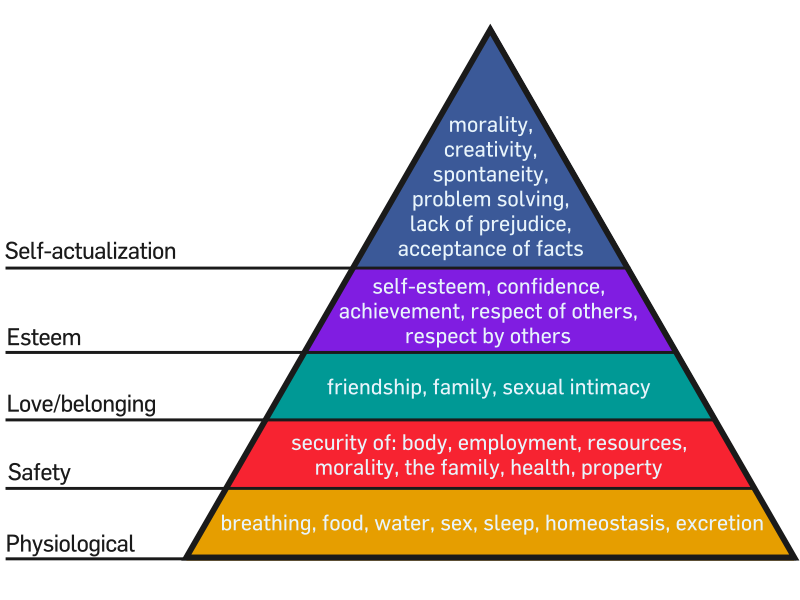
Psychological theories help explain this deep-seated need. One of the most well-known is Maslow's Hierarchy of Needs. This model pictures human motivations as a pyramid. After our basic physiological and safety needs are met, we naturally seek love and belonging. These social needs form the foundation for higher-level goals like esteem and self-actualization. Without a sense of community, it's difficult to feel secure or reach our full potential.
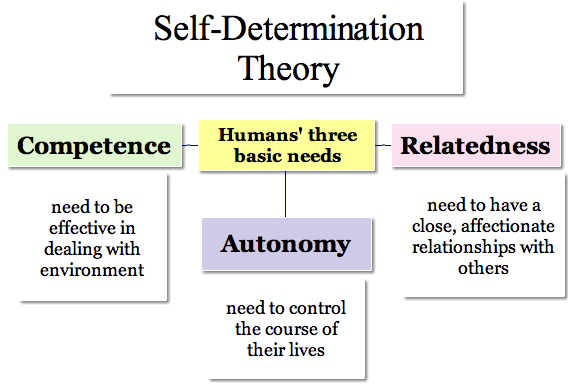
Another powerful framework is Self-Determination Theory, which identifies three essential psychological needs: autonomy (control over our own lives), competence (feeling effective), and relatedness (feeling connected to others). According to this theory, fulfilling all three is crucial for psychological health and motivation. Relatedness, or the need for meaningful social bonds, is an indispensable piece of the puzzle.
A Boost for Body and Mind
The benefits of strong social ties are not just abstract feelings; they have tangible effects on our mental and physical health. Mentally, people with supportive relationships tend to experience lower rates of depression and anxiety, higher self-esteem, and greater empathy for others. Having friends to share experiences with and a support system to lean on during tough times acts as a powerful buffer against stress.
Feeling connected provides a sense of security and value, which strengthens our resilience and overall happiness.
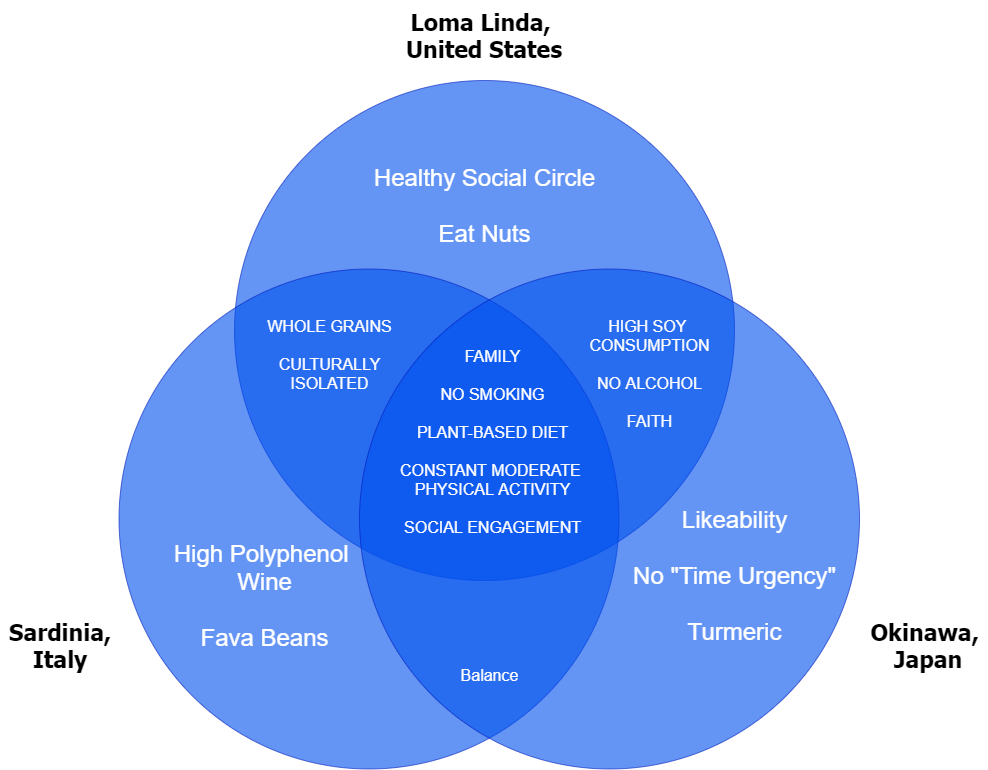
The physical impact is just as striking. Research has shown that individuals with robust social networks often have stronger immune systems, recover from illness more quickly, and may even live longer. Studies of the world's "Blue Zones"—regions where people live exceptionally long, healthy lives—consistently find that tight-knit communities and strong social engagement are key factors.
The Cost of Isolation
Conversely, a lack of social connection can be detrimental. Social isolation and loneliness are linked to a host of negative outcomes. They can disrupt sleep patterns, elevate stress hormones like cortisol, and increase inflammation throughout the body. Over time, these effects can contribute to a higher risk of chronic health conditions, including heart disease and cognitive decline.
Loneliness isn't just about being physically alone. It’s the gap between the social connections you want and the ones you have.
Mentally, prolonged isolation can lead to feelings of emptiness, increase the risk of depression, and impair executive functions like decision-making and impulse control. It reinforces a negative feedback loop where feeling disconnected makes it harder to reach out, further deepening the sense of isolation. This highlights just how integral social bonds are to our overall functioning.
According to the text, the human need for social connection is best described as:
Self-Determination Theory proposes three essential psychological needs. Which of the following is NOT one of them?
Understanding our inherent need for connection is the first step. It frames friendship not as a luxury, but as a vital component of a healthy, fulfilling life.