Major Schools of Psychology
Structuralism and Functionalism
The First Laboratories of the Mind
Psychology didn't just appear. It evolved from philosophy, slowly trading abstract questions for scientific methods. This shift from the armchair to the laboratory marks the birth of modern psychology, and it started with a focus on breaking down the mind into its smallest parts.
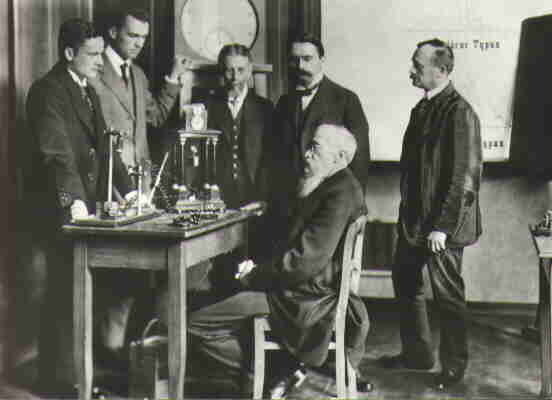
At the forefront was , a German physician and philosopher who established the first psychology laboratory in Leipzig in 1879. Wundt believed the mind could be studied scientifically, just like the natural world. His approach, which became known as Structuralism, aimed to identify the basic elements of consciousness. Think of it like a chemist breaking down a complex compound into its individual elements. Wundt wanted to create a 'periodic table' of the mind.
The primary method Wundt used was —a process where trained observers reported their own conscious thoughts, feelings, and sensations in response to stimuli. For example, an observer might be presented with a sound and asked to describe its pitch, volume, and quality in the most basic terms possible, avoiding interpretation or naming the object that made the sound. The goal was to get raw, unfiltered sensory data.
Structuralism's central question: What are the fundamental components of conscious experience?
One of Wundt's most influential students, an Englishman named Edward Titchener, brought this new science to America. Titchener was even more rigid in his approach. He claimed to have identified over 44,000 basic elements of sensation, including visual, auditory, and tactile experiences. However, the method of introspection soon came under fire. Critics argued it was too subjective. How could anyone verify a person's private mental experiences? The results often varied from person to person and even for the same person at different times.
A New Question: What Is It For?
As Structuralism faced criticism, a different perspective emerged in the United States, championed by the brilliant thinker His approach, known as Functionalism, was less concerned with the 'what' of the mind and more interested in the 'why.' Influenced by Charles Darwin's theory of evolution, James believed that consciousness must serve a purpose. Our thoughts, feelings, and behaviours exist because they help us adapt to our environment and survive.
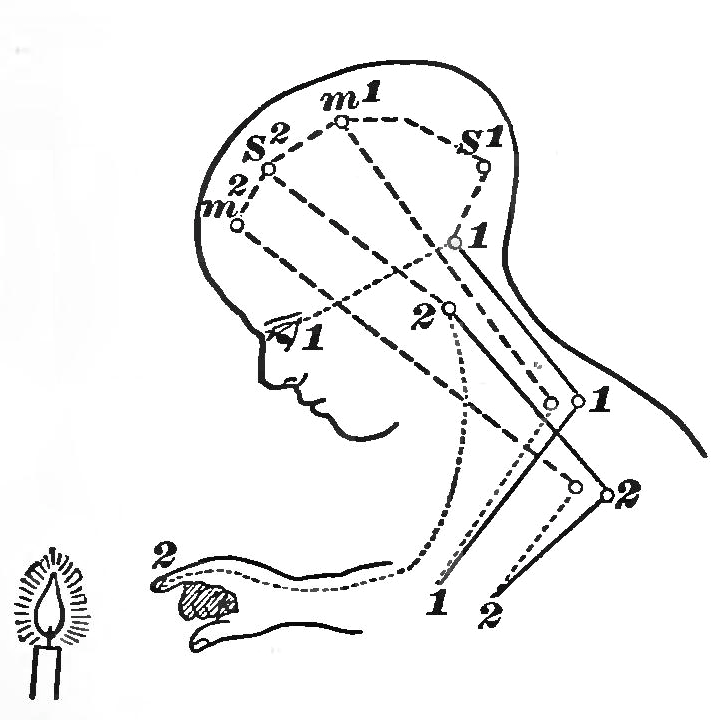
Instead of trying to freeze and dissect mental moments, James argued that consciousness was a continuous, flowing stream. You can't have the same thought or sensation twice, because the context of your mind is always changing. Functionalists wanted to understand how mental processes helped people function in the real world. This led them to study a wider range of topics, including learning, memory, and problem-solving in children, animals, and individuals with mental disabilities.
While Functionalism as a formal school also faded, its focus on application and purpose had a lasting impact. It broadened the scope of psychology and paved the way for later fields like educational psychology, industrial-organisational psychology, and behaviorism. In a way, the debate between Structuralism's rigour and Functionalism's utility set the stage for many of the discussions that continue in psychology today: the tension between pure research and practical application.
Ready to test your understanding of these foundational schools of thought?
Who is credited with establishing the first psychology laboratory in 1879, marking a shift towards a scientific approach to studying the mind?
The primary goal of Structuralism was to understand the purpose and adaptive functions of consciousness.
The shift from 'what' to 'why' marked a crucial step in psychology's journey, expanding its questions and its relevance to everyday life.