Major Islamic Branches Explained
Origins of Islam
A Voice in the Desert
The Arabian Peninsula in the 7th century was a land of stark contrasts. Vast, unforgiving deserts were crisscrossed by lucrative trade routes, connecting the Byzantine and Sasanian empires. Society was organized around tribes and clans, with loyalty to kinship being the ultimate law. Most Arabs were polytheistic, worshipping a pantheon of gods and goddesses. The city of Mecca was the region's heart, a bustling center for both commerce and religion. Pilgrims flocked to the Kaaba, a cube-shaped shrine that housed idols of their many deities.
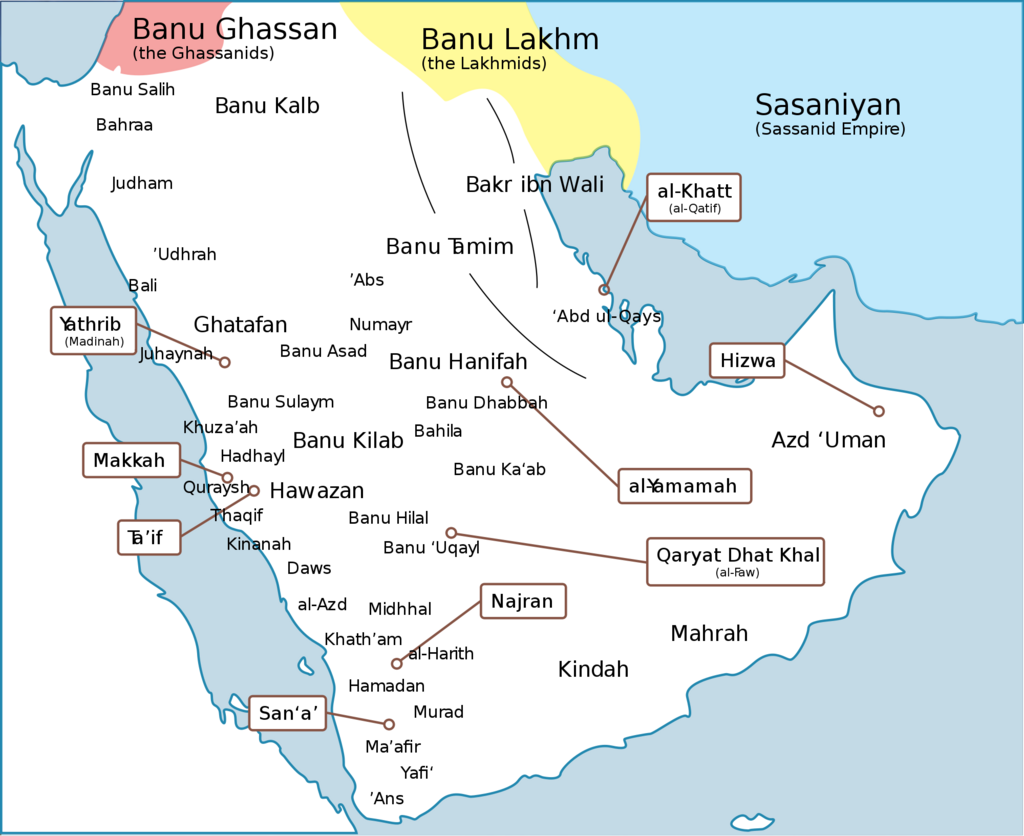
Into this world, around 570 CE, a man named Muhammad was born into the Quraysh tribe, Mecca's leading clan. Orphaned at a young age, he grew up to be a respected merchant known for his honesty, earning the nickname al-Amin, or "the trustworthy." He was a thoughtful and reflective man, often retreating to the quiet solitude of the mountains surrounding Mecca to meditate.
The Revelation
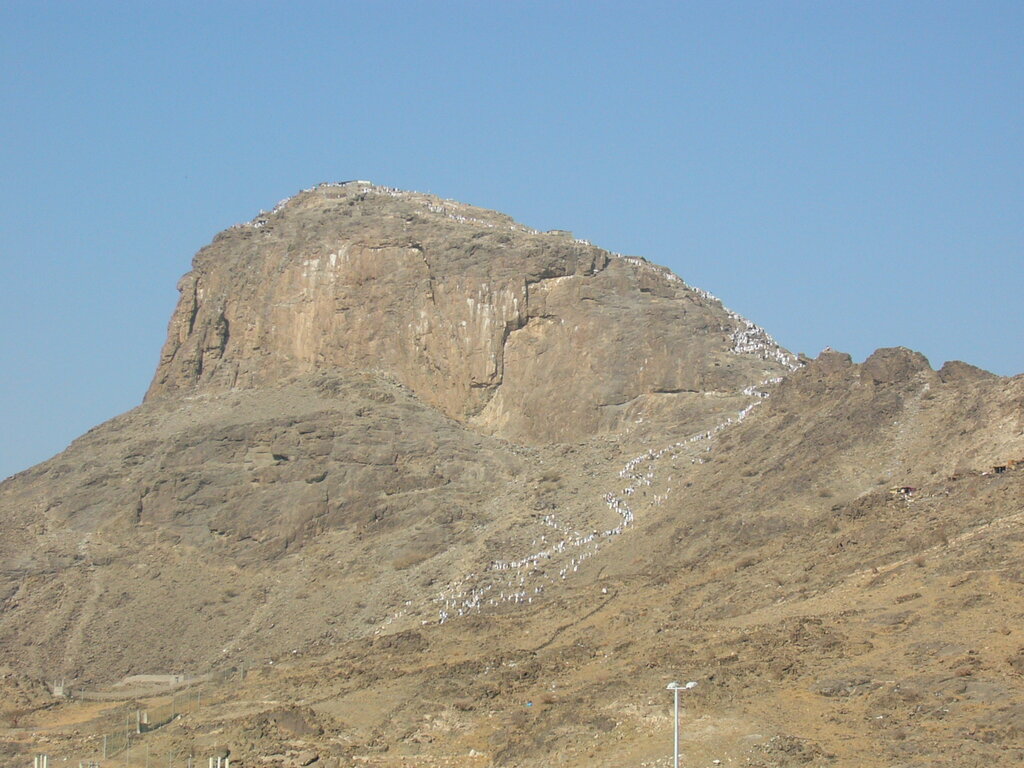
During one of these retreats, in the year 610, something profound happened. While meditating in the Cave of Hira on Jabal an-Nour, the "Mountain of Light," Muhammad was visited by the angel Gabriel. The angel commanded him, "Recite!" This was the first of many revelations that would continue for the next 23 years. These divine messages, believed by Muslims to be the direct word of God, were later compiled into the holy book known as the Qur'an.
The core message of the revelations was radical for its time and place: there is only one God (Allah), and humanity must submit to His will. This message challenged the entire social and religious order of Mecca. It condemned the worship of idols, called for social justice and care for the poor and vulnerable, and placed spiritual devotion above tribal loyalties. Muhammad's small circle of followers grew, but so did the opposition.
The leaders of the powerful Quraysh tribe saw this new faith as a direct threat to their traditions, their power, and the profitable pilgrimage trade centered on the Kaaba's idols.
As Muhammad's preaching continued, the persecution of his followers intensified. They were ridiculed, boycotted, and physically abused. The situation in Mecca became untenable.
The Migration to Medina
A glimmer of hope appeared from the north. The city of Yathrib, a settlement torn apart by feuding tribes, was in need of a mediator. Its leaders had heard of Muhammad's wisdom and invited him and his followers to their city, promising them protection. In 622 CE, the Muslims undertook a perilous journey, migrating from Mecca to Yathrib. This event was so pivotal that it marks the beginning of the Islamic calendar.
Hijra
noun
The migration of the Islamic prophet Muhammad and his followers from Mecca to Yathrib (later renamed Medina) in 622 CE.
In Yathrib, which was renamed Medina, meaning "The City," Muhammad was no longer just a preacher. He became a leader, tasked with building a new community. One of his first actions was to create a formal agreement to unite the different groups in the city: the Muslim immigrants from Mecca, the local converts to Islam, and the city's Jewish tribes.
This document, known as the Constitution of Medina, established a new kind of community, or ummah. It wasn't based on blood ties, but on shared faith and mutual defense. The charter outlined the rights and responsibilities of all citizens, guaranteeing religious freedom and establishing a system for justice.
The Constitution of Medina was a groundbreaking political document. It created a multi-religious state where different communities could coexist under a common law, with Muhammad acting as the final arbiter in disputes. This laid the foundation for an Islamic state and a distinct Muslim identity, moving beyond the tribal structure that had defined Arabian society for centuries.
What was the primary religious practice in Mecca before the revelations to Muhammad?
The migration of Muhammad and his followers from Mecca to Yathrib in 622 CE is known as the Hijra and is significant because it...
From this small community in Medina, the message of Islam would begin to spread, transforming the Arabian Peninsula and, eventually, the world.