Maize Crop Nutrition and Growth
Maize Nutrient Basics
A Plant's Diet
Just like people, plants need a balanced diet to thrive. For maize, this diet consists of essential nutrients absorbed from the soil and air. These nutrients are categorized into two groups based on the amounts a plant needs: macronutrients and micronutrients.
Think of macronutrients as the main course of a meal—the proteins, fats, and carbohydrates. Plants need a lot of them. Micronutrients are more like vitamins and minerals. The plant needs them in tiny amounts, but they are still absolutely critical for survival and growth.
Those needed in more significant amounts or macronutrients include nitrogen, potassium, calcium, magnesium, phosphorus, and sulfur.
While maize uses all of these, three macronutrients are especially important and are often the focus of nutrient management: nitrogen, phosphorus, and potassium.
The Big Three Macronutrients
Nitrogen (), phosphorus (), and potassium () are the primary macronutrients for maize. Each one plays a unique and vital role in helping the plant grow from a small seed into a tall, productive stalk.
| Nutrient | Role in Maize |
|---|---|
| Nitrogen (N) | Essential for leaf growth and gives plants their green color. It's a core component of chlorophyll, the molecule that captures sunlight for photosynthesis. |
| Phosphorus (P) | Crucial for early root development, stalk strength, and energy transfer. It helps the plant mature and is vital for grain formation. |
| Potassium (K) | Regulates water movement within the plant and helps it withstand stress from drought or disease. It's also important for strong stalks and overall plant health. |
A shortage in any of these can severely limit the plant's potential. For example, nitrogen is the engine for vegetative growth. Without enough of it, the plant can't build the leafy “factory” it needs to produce grain. Phosphorus provides the energy for that factory to run, especially during the critical early stages and when the corn ear is developing.
Potassium acts as the plant's internal regulation system. It helps manage hundreds of processes that keep the plant healthy and resilient, similar to how electrolytes work in the human body.
Micronutrients: Small but Mighty
Micronutrients are required in much smaller quantities, but they are just as essential. They often act as catalysts for important biochemical reactions inside the plant. For maize, key micronutrients include zinc, iron, and manganese.
-
Zinc () is important for the production of chlorophyll and carbohydrates. It helps the plant's enzymes function correctly.
-
Iron () is another critical component for chlorophyll synthesis. A lack of iron can prevent the plant from making the green pigment it needs for photosynthesis.
-
Manganese () also plays a role in photosynthesis and helps with nitrogen metabolism and enzyme activation.
A helpful analogy is thinking of micronutrients as the spark plugs in an engine. The engine won't run without them, even though they are a tiny part of the whole machine.
Spotting Deficiencies
When a maize plant doesn't get enough of a specific nutrient, it shows visible signs of distress. These symptoms can help diagnose the problem.
Nitrogen () deficiency is one of the most common issues. It typically appears as a yellowing, V-shaped pattern on the lower, older leaves, starting at the tip and moving down the middle of the leaf. This happens because the plant moves its limited nitrogen from older tissues to support new growth.
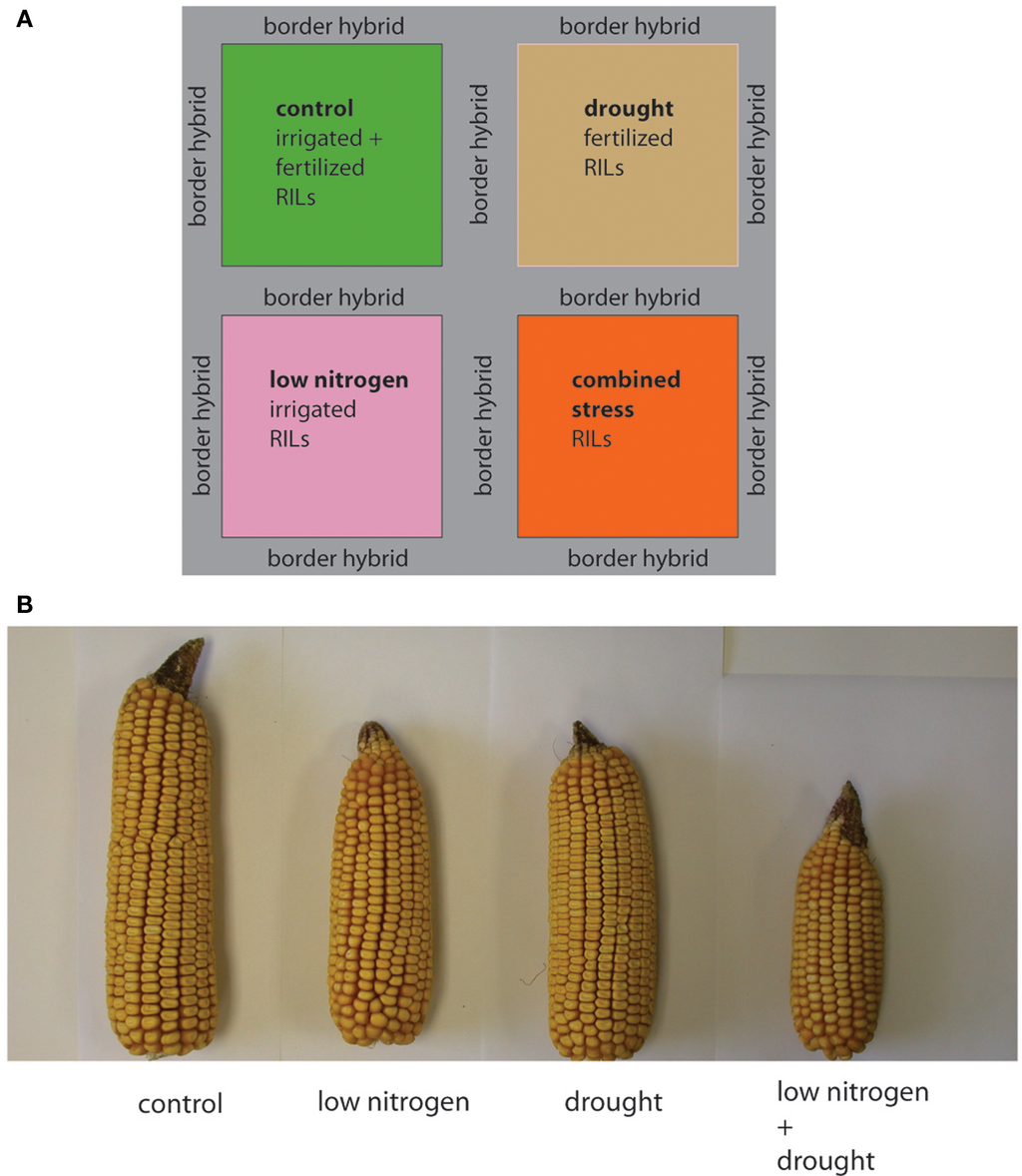
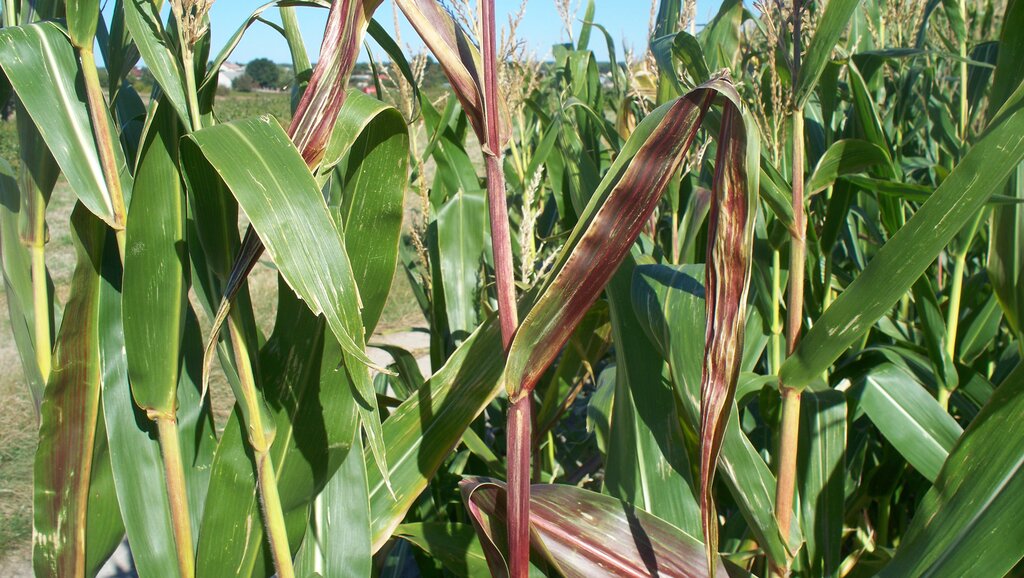
Phosphorus () deficiency often shows up in young plants, especially in cool, wet soil. The plants may be stunted, and the leaves can turn a distinct purplish-red color. This is because phosphorus is critical for early development, and its absence slows growth right from the start.
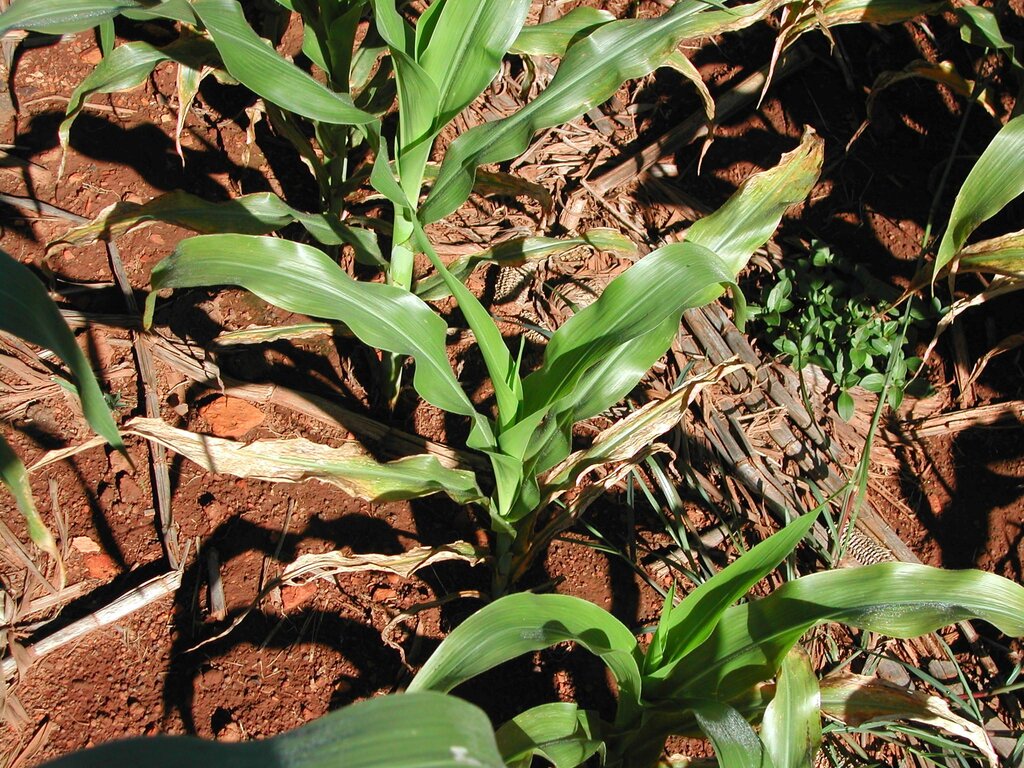
Potassium () deficiency also appears on the lower leaves first. The key symptom is yellowing along the outer edges of the leaf, starting at the tip and progressing down the margins, while the middle of the leaf (the midrib) stays green.
Micronutrient deficiencies are less common but just as important to recognize. An iron () deficiency, for example, causes yellow or white striping between the veins of the newest, youngest leaves. This is because iron isn't mobile within the plant, so older leaves can't send their iron to the new growth.
What is the primary difference between macronutrients and micronutrients for a plant like maize?
A maize plant is showing a distinct yellowing pattern along the outer edges of its lower leaves, while the center midrib remains green. This is a classic symptom of what nutrient deficiency?
Understanding these basic nutrient needs is the first step toward growing healthy, productive maize.