Maintaining Humanity in Digital Ages
Digital Agency Decay
The Fading Feedback Loop
Your 'For You' page feels like it knows you. It serves up videos, articles, and products that seem perfectly tailored to your tastes. In many ways, it does. But this algorithmic curation, while convenient, comes with a hidden cost: the subtle erosion of your personal autonomy, a phenomenon sometimes called agency decay.
In the physical world, the link between action and outcome is clear. If you practice the piano, you get better. If you eat junk food, you feel sluggish. This is a feedback loop, and it's how we learn to make better choices. We see the direct results of our decisions and adjust our behaviour accordingly.
Digital environments can obscure this loop. When an algorithm recommends your next song, suggests a reply to a message, or plans your route, the connection between your intent and the outcome becomes fuzzy. Did you really want to listen to that band, or was it just the easiest option presented? This gradual transfer of decision-making can weaken our sense of control.
Cognitive Offloading
We constantly delegate tasks to technology. Using a calculator for complex maths or setting a digital reminder are examples of intentional delegation. You identify a task, choose a tool, and use it to achieve a specific goal. You remain in control.
But a different pattern emerges when this delegation becomes a habit. is the tendency to let technology handle mental tasks we could, and perhaps should, do ourselves. It’s not just about using a tool for efficiency; it’s about outsourcing the thinking process itself. Instead of remembering a phone number, you rely on your contacts list. Instead of navigating by landmarks, you follow the GPS dot without looking up.
This isn't inherently bad, but over-reliance can atrophy our cognitive skills. Just as muscles weaken without use, our abilities in navigation, memory recall, and even social decision-making can diminish if we consistently offload them to automated systems.
The risk is not that technology will think for us, but that we will stop thinking for ourselves.
The A-Frame for Hybrid Intelligence
To counteract agency decay, we can adopt a more mindful approach to our relationship with technology. The 'A-Frame' provides a simple model for maintaining control in a world of hybrid human-AI intelligence. It consists of four steps: Awareness, Appreciation, Acceptance, and Accountability.
| Step | Action |
|---|---|
| Awareness | Actively notice when an algorithm is influencing your choice. Is this recommendation organic or prompted? |
| Appreciation | Understand the tool's strengths and weaknesses. What is it good for? Where might it be biased? |
| Acceptance | Make a conscious decision. Do you accept the suggestion, modify it, or reject it entirely? |
| Accountability | Take full ownership of the final outcome. The decision is yours, regardless of the tool that helped you make it. |
Using this framework transforms you from a passive recipient of suggestions into an active director of your digital tools. It's about staying in the driver's seat, even when you're using cruise control.
Instrumental vs. Intimate
It's helpful to categorise our interactions with algorithms into two types: instrumental and intimate.
An instrumental interaction is task-oriented. You use a spelling checker to correct a document or a mapping service to find the quickest route. The tool helps you perform a function more efficiently, but it doesn’t define the goal for you.
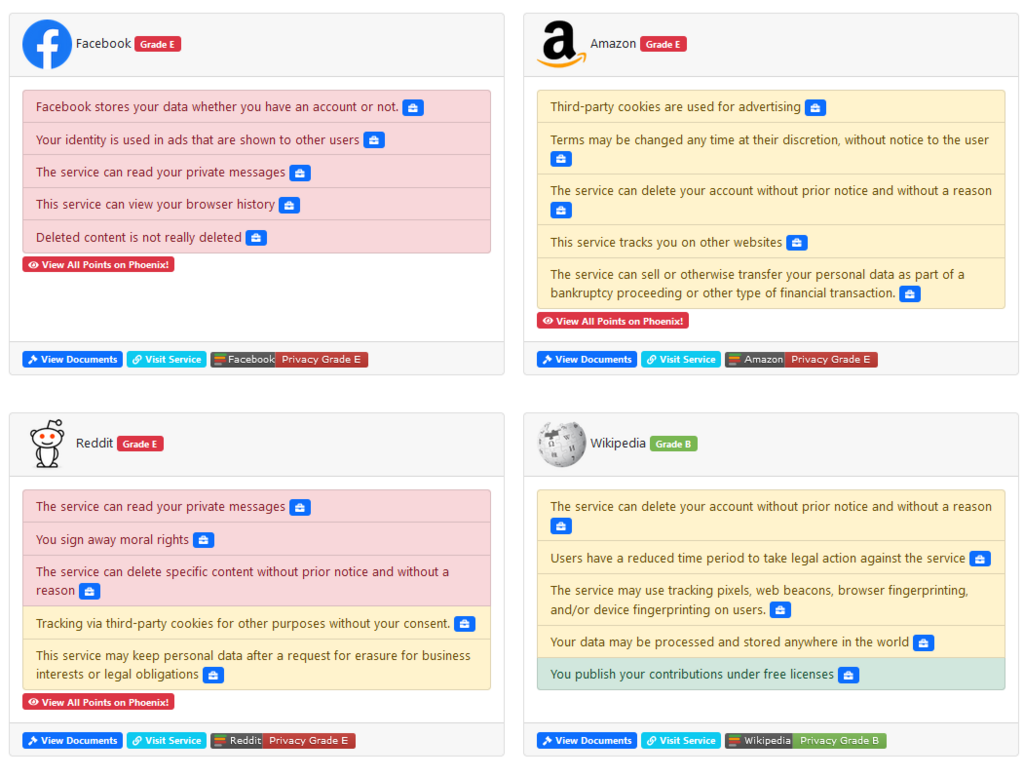
An intimate interaction is one where an algorithm begins to shape your preferences, values, or even your identity. This happens when a music streaming service doesn't just play songs you like, but actively moulds your taste over time. Or when a social media feed curates a worldview for you, influencing your opinions and emotional state.
The danger lies in the blur between these two. A helpful tool can slowly become an intimate shaper of your reality. This is often driven by the , where we tend to stick with pre-set options because it's the path of least resistance. When algorithms set the defaults for our lives, our is no longer our own.
Preserving your agency means being aware of this distinction. Use your tools, but don't let them become the architects of your values and decisions. Question the defaults and make active choices about how much influence you allow algorithms to have.
Ready to check your understanding?
What is the primary characteristic of 'agency decay' as described in the text?
Which of the following scenarios is the best example of an 'intimate' interaction with an algorithm?
Maintaining digital agency isn't about rejecting technology. It's about cultivating a mindful relationship with it, ensuring that our tools serve our intentions, not the other way around.