Mainframe Computing Explained
Introduction to Mainframe Computing
What Is a Mainframe?
When you hear the word “computer,” you probably picture a laptop or a desktop machine. But behind the scenes of our digital world, another type of computer handles the biggest jobs. These are mainframes: large, powerful systems designed for high-volume, transaction-heavy tasks. Think of them not as personal computers, but as the central hubs for entire industries.
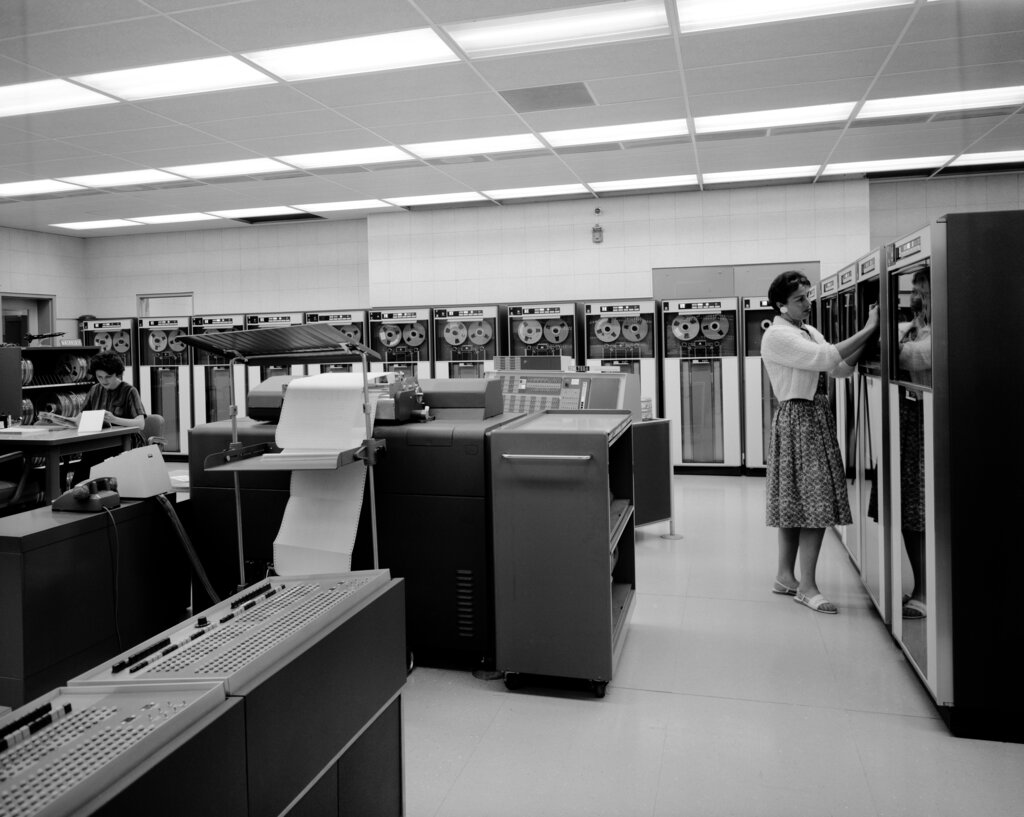
While a personal computer serves one user at a time, a mainframe can serve thousands of users and applications simultaneously. They are the engines that power global banking, airline reservation systems, and massive retail operations. They don't crash, they don't lose data, and they can process millions of transactions in the blink of an eye.
Built for Big Jobs
Mainframes are defined by a few core characteristics that set them apart. The most important concept is often abbreviated as RAS: Reliability, Availability, and Serviceability.
Reliability: Mainframes are engineered with redundant components. If one part fails, another takes over instantly, without any interruption. This ensures that calculations are always correct and data is never corrupted.
Availability: These machines are designed to run continuously, 24/7, for years on end. Planned downtime is extremely rare. This is why banks can process ATM transactions at 3 AM and airlines can book flights from anywhere in the world at any time.
Serviceability: Mainframes can often diagnose their own problems. They can even be repaired or upgraded while still running, a process known as "hot-swapping." An engineer can replace a processor or add more memory without shutting the system down.
Imagine trying to change the engine of your car while driving down the highway. That's the level of serviceability mainframes are built for.
Beyond RAS, mainframes are known for two other key features: scalability and security.
Scalability means a mainframe can grow to meet increasing demand. A company can start with a certain capacity and then add more processors, memory, and storage as their business expands, all within the same system. This can be done without disrupting ongoing operations.
Security is built into the very core of mainframe hardware and software. They are designed to handle sensitive data in a multi-user environment, ensuring that different applications and users are completely isolated from one another. This makes them ideal for industries where data protection is critical.
From Room-Sized to Virtualized
The first mainframes emerged in the 1950s, filling entire rooms with vacuum tubes and complex wiring. They were groundbreaking machines that performed calculations previously thought impossible. One of the most famous early systems was the IBM System/360, introduced in 1964, which set the standard for computer architecture for decades.
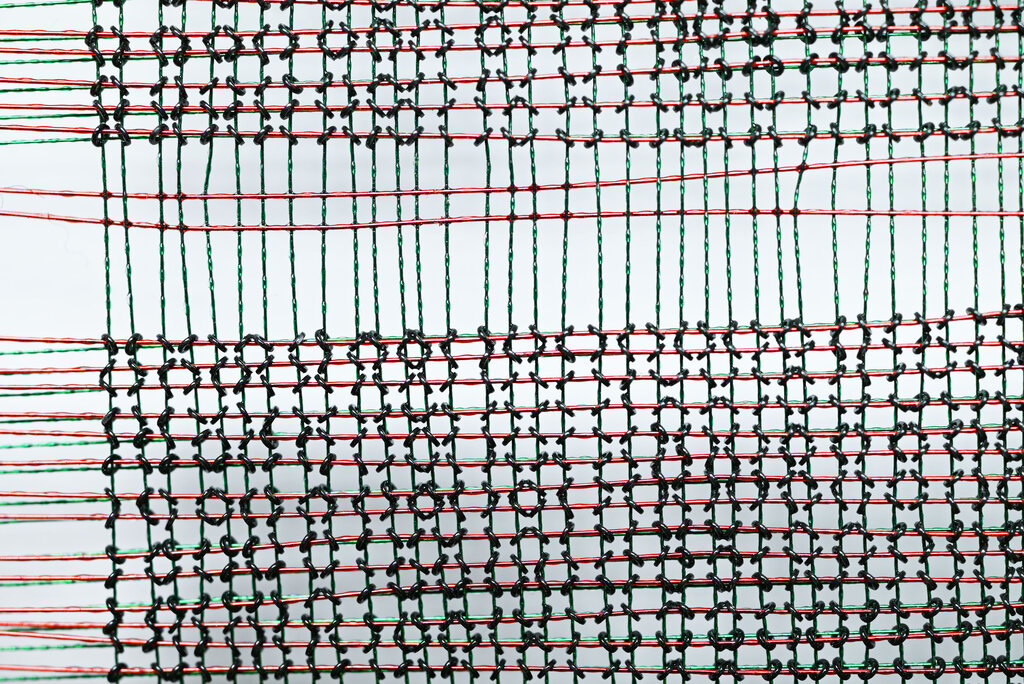
Over the years, mainframes have evolved dramatically. They shrank in physical size while growing exponentially in power, thanks to the development of transistors, integrated circuits, and microprocessors. Today's mainframes look like sleek, black refrigerators but contain the processing power of thousands of servers.
Modern systems are masters of virtualization. A single physical mainframe can run hundreds or even thousands of virtual servers, each with its own operating system. This allows a company to consolidate its IT infrastructure, saving space, energy, and management costs while maintaining the classic mainframe strengths of reliability and security.
The Unseen Workhorse
You might not see mainframes, but you interact with them every day. When you withdraw cash from an ATM, book a flight, or make a credit card purchase, chances are a mainframe is processing that transaction. The world's largest companies rely on them to manage their most critical data and operations.
They are the backbone of industries that require massive transaction processing:
- Banking and Finance: Processing credit card payments, managing customer accounts, and executing stock trades.
- Airlines: Handling flight reservations, ticketing, and scheduling for millions of passengers.
- Insurance: Managing policies, processing claims, and handling billing.
- Government: Running systems for taxation, social security, and census data.
- Retail: Managing inventory, supply chains, and sales data for major chains.
These systems aren't relics of the past. They are constantly being updated to work with modern technologies like cloud computing and artificial intelligence, ensuring they remain a central, if unseen, part of the digital economy.
Ready to check your understanding?
What is the primary role of a mainframe computer, as distinguished from a personal computer?
The acronym RAS is a core principle of mainframe design. What does the 'A' stand for?
While they may not sit on our desks, mainframes are the powerful, reliable engines that keep the global economy running smoothly.