Mahabharata Family Tree
Introduction to the Mahabharata
An Epic for the Ages
The Mahabharata is more than just a story; it's a foundational pillar of Indian culture and one of the longest epic poems ever written. Alongside the Ramayana, it forms the bedrock of Hindu mythology and philosophy. Composed in Sanskrit, its sprawling narrative has captivated audiences for millennia, exploring the deepest questions of human existence through a tale of warring cousins.
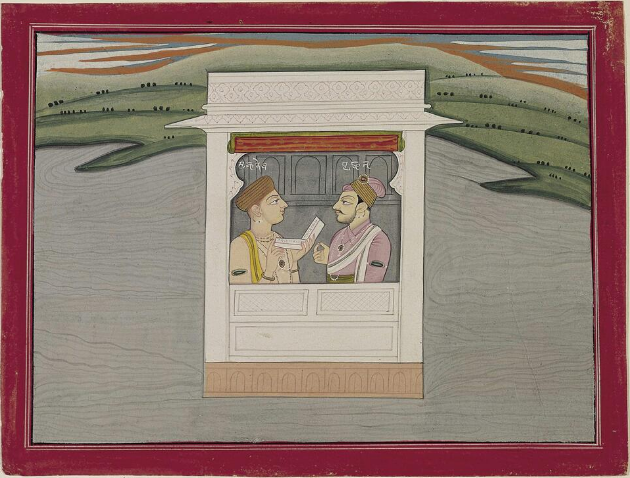
Its influence extends far beyond religion. The epic's stories and characters are woven into the fabric of daily life in India and across Southeast Asia. They appear in art, dance, theater, and even modern film and television. The Mahabharata serves as a cultural touchstone, offering a shared vocabulary of myths and moral dilemmas.
The Mahabharata is one of the two major Sanskrit epics of ancient Indian literature, the other being the Ramayana, and it is attributed to the sage Vyasa.
Authorship and Structure
Tradition attributes the Mahabharata to a single author: the sage Vyasa. He is not just the narrator but also a key character within the story itself. However, scholars believe the epic grew over centuries, evolving from a shorter story into its massive final form through a long oral tradition before being written down.
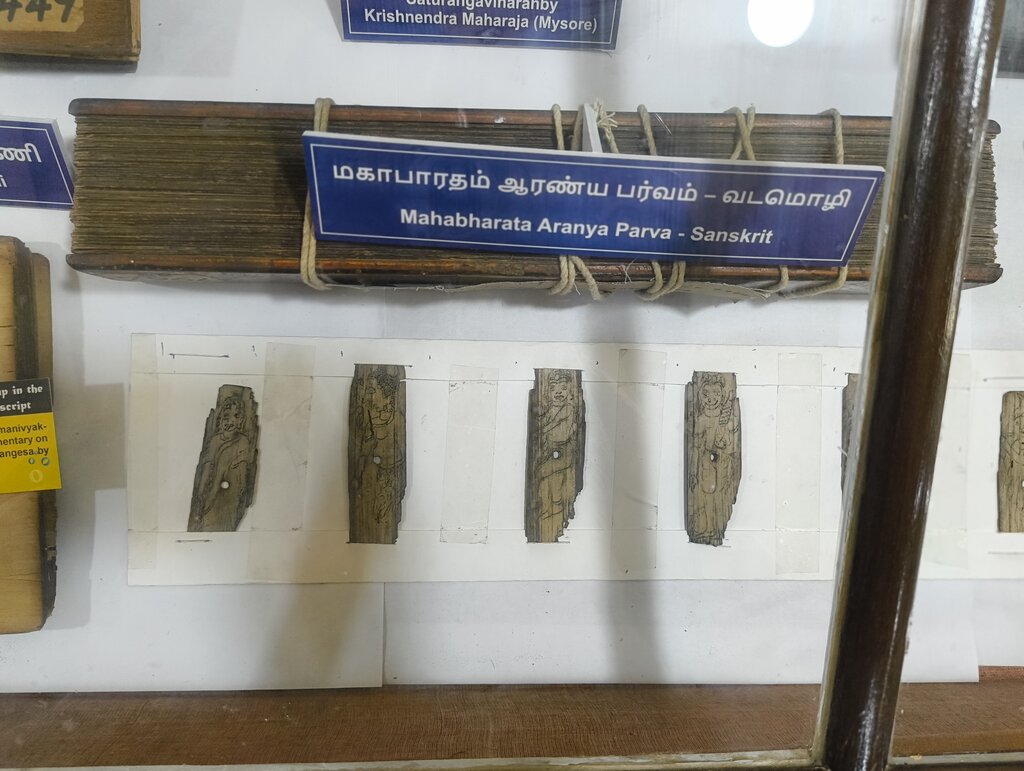
The Mahabharata is organized into 18 books, called parvas. An 18-book structure might not sound like much, but with over 100,000 verses, it's roughly ten times the length of the Iliad and the Odyssey combined. Each parva covers a different stage of the story, from the ancestry of the main families to the climactic war and its aftermath.
Parva
noun
A major book or section of the Mahabharata.
Core Themes
At its heart, the Mahabharata is an exploration of dharma. This complex concept shapes the choices of every character, forcing them to navigate conflicting duties to their family, kingdom, and sense of personal righteousness. The story doesn't offer easy answers, instead showing how even well-intentioned actions can lead to devastating outcomes.
Dharma
noun
Righteousness, moral law, duty, or the correct way of living.
Closely tied to dharma is the concept of karma, the law of cause and effect where actions have inevitable consequences. The epic is a vast illustration of this principle. The central conflict, a catastrophic war between two branches of the same family, is the culmination of generations of choices, betrayals, and moral failures.
Karma
noun
The sum of a person's actions and their consequences in this and previous states of existence.
Through its intricate web of familial and political relationships, the Mahabharata examines what it means to be human in a world of difficult choices and uncertain destinies. One of its most famous sections, the Bhagavad Gita, is a philosophical dialogue on the nature of duty and action that has become a sacred text in its own right.
Who is traditionally considered the author of the Mahabharata?
The central theme of the Mahabharata revolves around the complex concept of one's duty, moral law, and righteousness. What is this concept called?
These foundational ideas set the stage for the epic's unforgettable characters and their dramatic struggles.