Maduro's Venezuela Impact on Citizens
Maduro's Leadership Impact
Maduro Takes the Helm
When Hugo Chávez died in 2013, he left his handpicked successor, Nicolás Maduro, in charge of Venezuela's 'Bolivarian Revolution.' Maduro, a former bus driver and foreign minister, inherited a nation that was deeply divided. He also inherited an economy heavily dependent on oil, with structural problems bubbling just beneath the surface.
Maduro promised to continue Chávez's socialist policies. However, he lacked his predecessor's charisma and faced a deteriorating economic situation. Oil prices, the lifeblood of the Venezuelan economy, began to fall, exposing the frailties of years of state-led economic policies.
A Tightening Grip
As the economy faltered, political opposition grew. Maduro's government responded not with reform, but with measures that concentrated power and silenced dissent. Over the years, his administration systematically undermined democratic institutions. The judiciary was stacked with loyalists, and opposition leaders were jailed, exiled, or barred from running for office.
A key moment came in 2017. The opposition had won a majority in the National Assembly, the country's legislature. In response, Maduro convened a new body, the Constituent Assembly, filled with his supporters. This parallel legislature effectively stripped the democratically-elected National Assembly of its powers, cementing Maduro's control.
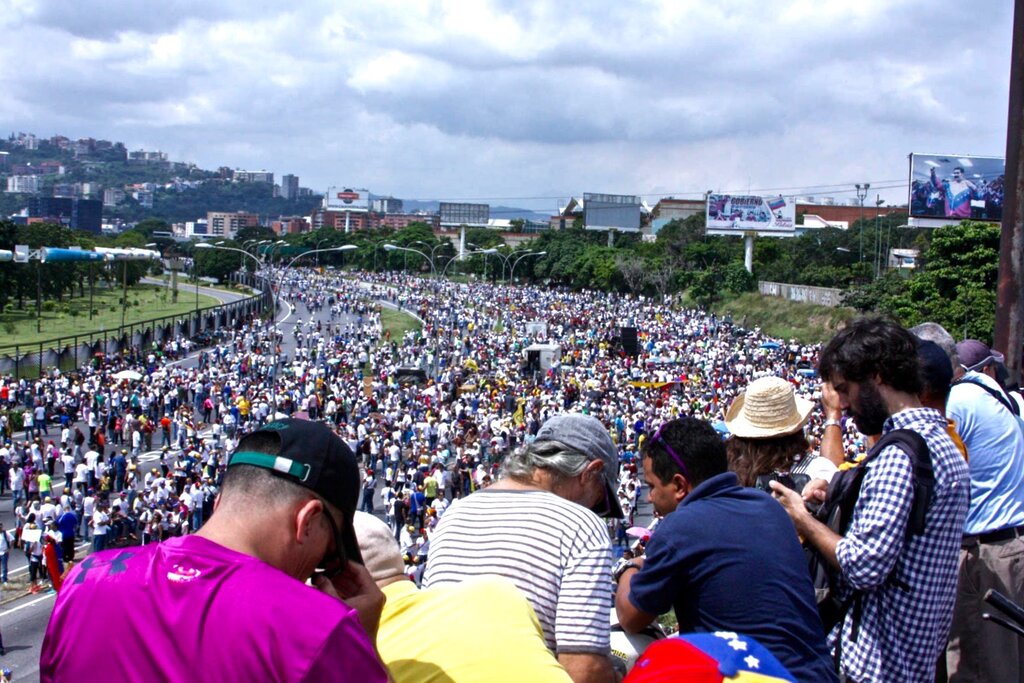
These actions drew condemnation both at home and abroad, leading to massive street protests. The government's response was often brutal, with security forces using excessive force against demonstrators. This crackdown on dissent became a hallmark of Maduro's governance, further isolating Venezuela from the international community.
The opposition accuses President Nicolas Maduro of moving towards a dictatorship, and want him to resign.
Economic Freefall
Under Maduro, Venezuela's economy didn't just stumble; it collapsed into one of the worst crises in modern history outside of wartime. The government doubled down on policies like price and currency controls, which created massive shortages of basic goods like food and medicine. Long lines for essentials became a daily reality.
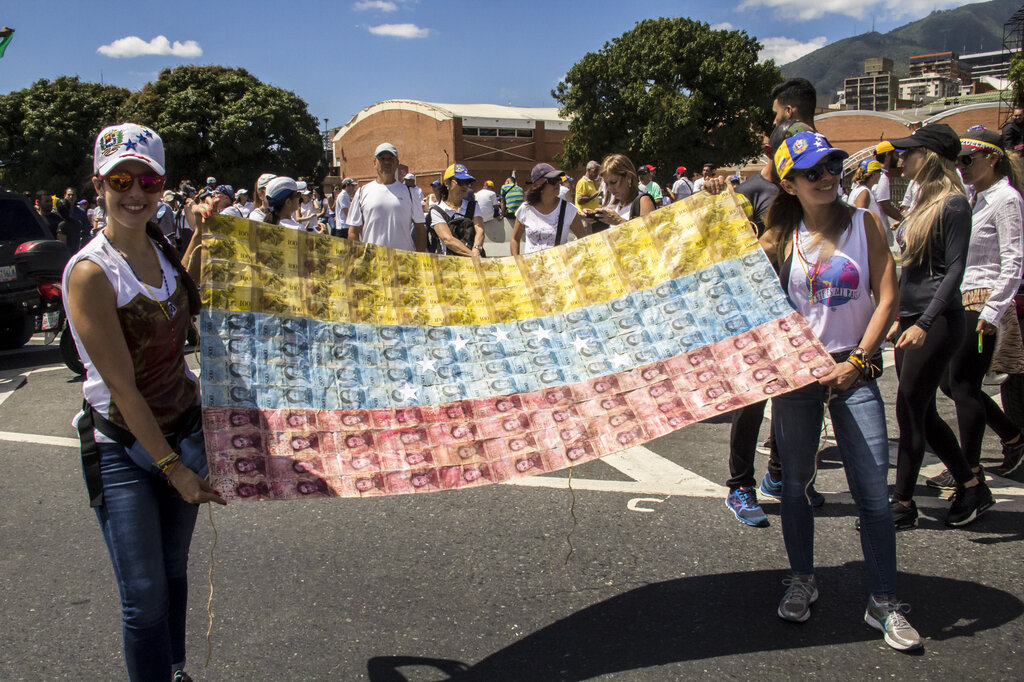
The most visible symptom of this collapse was hyperinflation. The value of the national currency, the bolívar, evaporated. Prices for goods could double in a matter of days or even hours, rendering savings and salaries worthless. People resorted to weighing stacks of cash to make simple purchases.
At the same time, the country's oil industry, which accounted for over 90% of export revenue, crumbled due to mismanagement, corruption, and a lack of investment in infrastructure. Production plummeted, starving the government of the foreign currency it needed to import goods and pay its debts.
| Year | Annual Inflation Rate (Approx.) |
|---|---|
| 2014 | 69% |
| 2015 | 181% |
| 2016 | 800% |
| 2017 | 2,600% |
| 2018 | 1,700,000% |
A Society in Crisis
The political and economic turmoil triggered a profound humanitarian crisis. Public services, once a cornerstone of Chávez's populist appeal, deteriorated completely. Hospitals lacked basic supplies like gloves and antibiotics, and power outages became frequent and widespread. Water systems failed, leaving many without reliable access to clean water. Malnutrition and preventable diseases, once under control, began to rise.
Facing hunger, political repression, and a lack of opportunity, Venezuelans began leaving the country in unprecedented numbers. This mass emigration became one of the largest refugee crises in the world. Millions of people have fled, mostly to neighboring countries in Latin America like Colombia, Peru, and Ecuador. They often travel by foot, carrying what little they can, in search of safety and a chance to provide for their families.
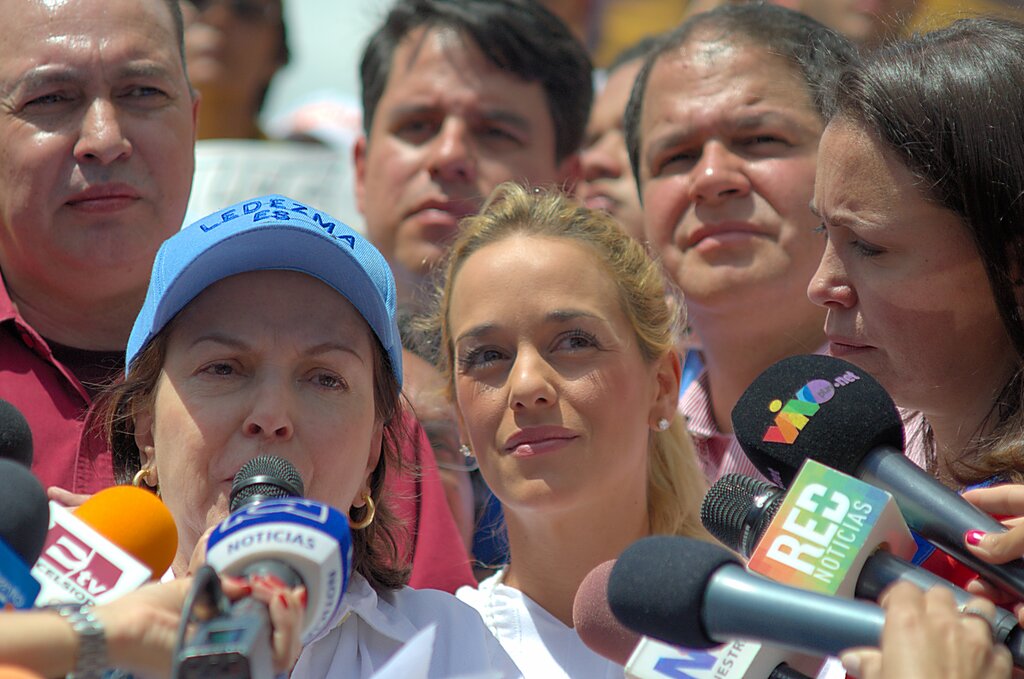
This exodus has strained the resources of host countries and separated countless families. For those who remain in Venezuela, life is a daily struggle for survival against a backdrop of institutional decay and economic hardship.
Now, let's test your understanding of the situation under Maduro's leadership.
Upon inheriting power from Hugo Chávez, what was the state of Venezuela's economy?
How did Maduro's government react when the opposition won a majority in the National Assembly in 2017?
Nicolás Maduro's tenure has transformed Venezuela, leading to a deep, multi-faceted crisis that continues to affect millions of its citizens, both inside and outside its borders.