Madagascar Tax Convention Explained
Introduction to Tax Conventions
Financial Peace Treaties
Imagine a company based in Canada that sells software in Germany. When it earns a profit, which country gets to tax it? Germany might say, "The money was made here!" Canada could argue, "It's our company!" Without clear rules, both might tax the same income. The company would be paying twice.
This is where tax conventions, also known as tax treaties, come in. They are formal agreements between two or more countries to coordinate their tax systems. Their main goals are to prevent double taxation and to stop tax evasion.
double taxation
noun
The levying of tax by two or more jurisdictions on the same declared income, asset, or financial transaction.
By clarifying the rules, these treaties make it easier for people and businesses to operate across borders. They create a more predictable and fair environment for international trade and investment.
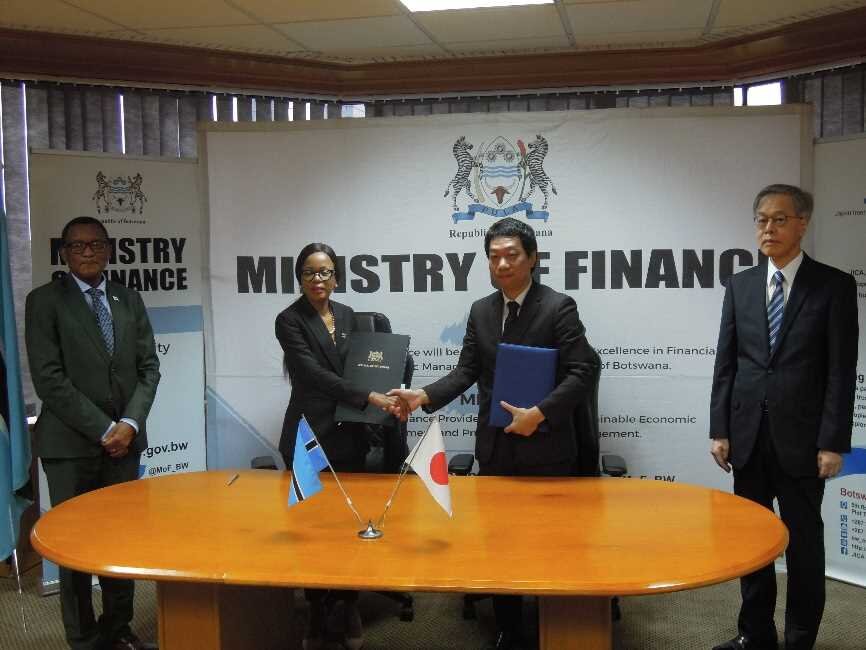
Inside a Tax Treaty
While each tax treaty is unique, they generally follow a similar structure and address the same core issues. The first step is usually determining a person's or company's tax residency. A treaty establishes criteria to decide which country has the primary right to tax their income, preventing both countries from claiming them as a full-time resident.
Next, treaties lay out specific rules for different types of income, such as business profits, dividends, interest, and royalties. A key component is often the reduction of withholding taxes. A withholding tax is a tax paid to the government by the payer of the income rather than by the recipient. Treaties can significantly lower these rates.
For example, a country might normally charge a 25% withholding tax on dividends paid to a foreign investor. A tax treaty could reduce this rate to 10% or 15%, encouraging more foreign investment.
| Income Type | Standard Rate | Treaty Rate |
|---|---|---|
| Dividends | 25% | 15% |
| Interest | 20% | 10% |
| Royalties | 30% | 5% |
Another crucial element is the provision for mutual administrative assistance. This means the tax authorities in the treaty countries agree to help each other. They can exchange information to ensure taxpayers are reporting their income correctly and to combat tax evasion. This cooperation is vital for enforcing tax laws in a globalized economy.
The Global Rule-Makers
Countries don't create these complex agreements from scratch. International organizations play a huge role in setting standards and providing models that countries can adapt.
The most influential of these is the Organisation for Economic Co-operation and Development (OECD). The OECD provides a Model Tax Convention that serves as the starting point for most bilateral tax treaties around the world. It's a template that helps ensure consistency and clarity in international tax rules.
The United Nations (UN) also has its own Model Double Taxation Convention, which is particularly influential for treaties between developed and developing nations. It gives more taxing rights to the country where the income is generated.
These organizations facilitate negotiations and provide a neutral framework, making it easier for countries to reach fair and effective agreements.
Having a tax convention is better than not having one; it allows pressure to be applied on governments to take ambitious positions and stick to agreed deals.
Let's check your understanding of these core concepts.
What are the two main purposes of tax conventions, also known as tax treaties?
What is typically the first step a tax treaty establishes to decide which country has the primary right to tax a person or company?
Tax conventions are the invisible framework supporting the global economy. By setting clear rules, they prevent double taxation, combat tax evasion, and ultimately encourage international trade and investment.