Macronutrients Proteins Carbs and Fats
Introduction to Macronutrients
The Big Three
Everything you eat is made of building blocks that your body uses for energy, growth, and repair. The main ones, the nutrients you need in the largest amounts, are called macronutrients. Think of them as the major players in your diet.
Macronutrient
noun
A type of nutrient required in large amounts in the diet. The three macronutrients are carbohydrates, fats, and proteins.
There are three types of macronutrients: protein, carbohydrates, and fats. Each one has a distinct and vital job inside your body. Getting a healthy balance of them is key to feeling and functioning your best.
Protein: The Body's Builder
Protein is the primary building material for your body. It's used to construct and repair just about everything, from your muscles and bones to your hair and skin. Every cell in your body contains protein.
Imagine you're building a house. Protein is like the bricks, wood, and steel—the essential materials needed to create the structure and keep it strong. It’s also crucial for making enzymes and hormones, which are like the project managers and communication systems that direct all the work.
Carbohydrates: The Quick Energy Source
Carbohydrates are your body’s main source of fuel. When you eat them, your body breaks them down into glucose, a type of sugar that provides immediate energy for your cells, tissues, and organs.
If your body is a car, carbohydrates are the gasoline. They power everything you do, from running a marathon to simply thinking. Your brain, in particular, relies heavily on this steady supply of energy to stay sharp and focused.
Fats: The Energy Reserve
Fats often get a bad rap, but they are absolutely essential for your health. They serve as a major source of stored energy, a backup fuel tank for when carbohydrates aren't available.
Beyond energy, fats have several other important jobs. They help protect your vital organs by providing cushioning, insulate the body to keep you warm, and are necessary for absorbing certain vitamins. Without fats in your diet, your body wouldn't be able to use vitamins A, D, E, and K.
It's not about choosing one macronutrient over the others, but about getting the right mix of all three to keep your body running smoothly.
Each macronutrient plays a unique and irreplaceable role. A diet that heavily favors one while neglecting another can throw your body's systems off balance. For example, without enough carbohydrates, you might feel sluggish and tired. Without enough protein, your body can't effectively repair itself. And without enough healthy fats, some bodily functions can't happen at all.
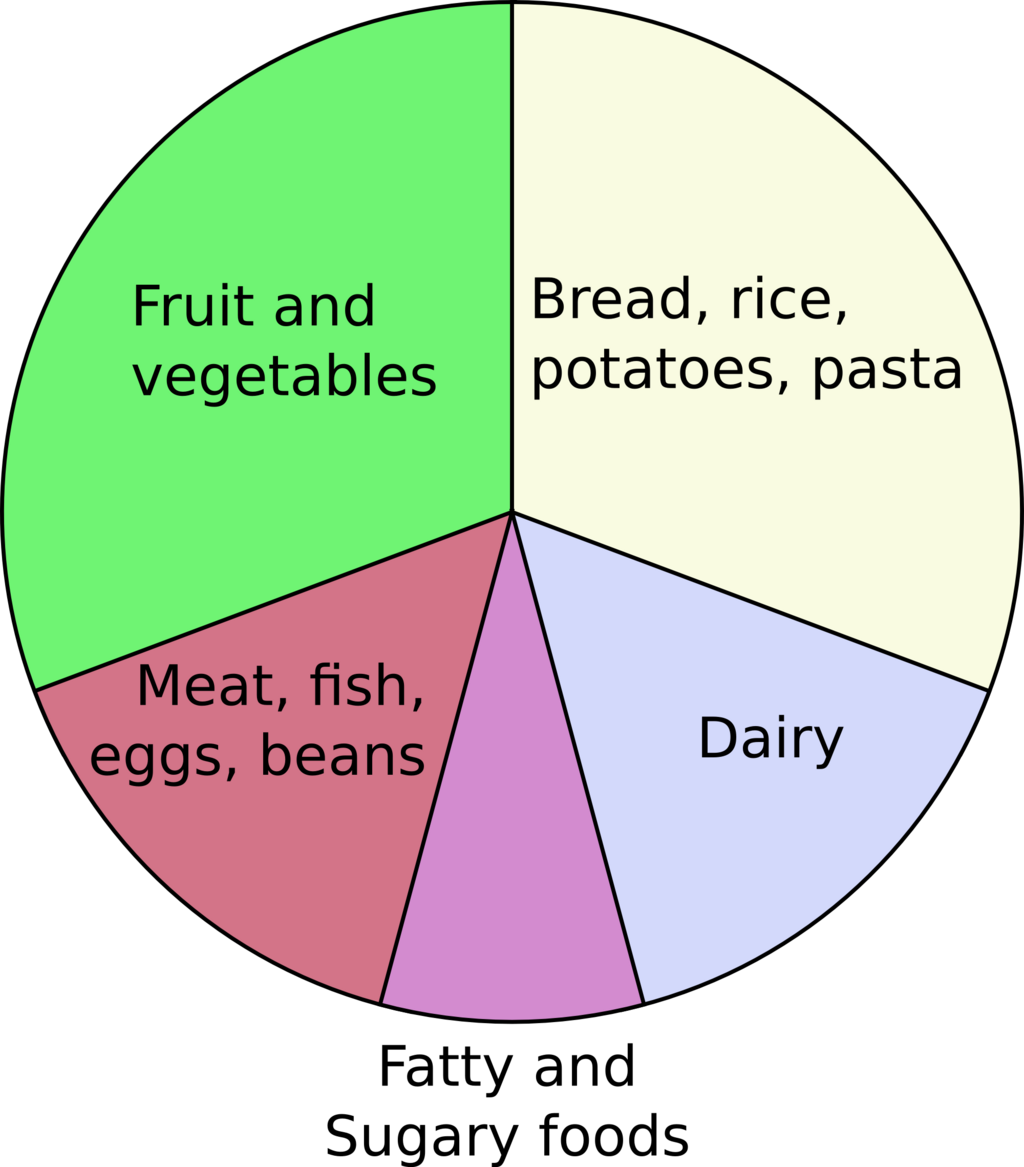
The goal is to consume a balanced diet that supplies the right proportions of protein, carbohydrates, and fats. This balance supports everything from daily energy levels and physical performance to long-term health and disease prevention.
Ready to check your understanding? Let's see what you've learned about the big three.
What is the body's main and most immediate source of fuel?
Using the analogy of building a house, which macronutrient acts as the bricks, wood, and steel?
Understanding these basics sets the stage for looking deeper into how each macronutrient works and where to find them in your food.