Macroeconomics for Traders
Introduction to Macroeconomics
The Economy's Big Picture
Macroeconomics is the study of the economy as a whole. Instead of looking at individual trees, it examines the entire forest. It tackles the big questions: Why do some countries grow richer while others stay poor? What causes recessions? How can we keep unemployment low and prices stable?
The main goals of macroeconomics are straightforward. First, to foster steady economic growth, which means the country's overall output of goods and services increases over time. Second, to maintain low unemployment, ensuring that people who want to work can find jobs. Third, to keep prices stable, which means avoiding rapid inflation (rising prices) or deflation (falling prices).
Think of macroeconomics as an airplane pilot's dashboard. It provides the high-level data needed to navigate the entire economy, avoiding turbulence and aiming for a smooth flight.
Macro vs. Micro
Economics is broadly split into two fields: macroeconomics and microeconomics. While macro looks at the big picture, microeconomics zooms in on the individual pieces. It studies the decisions of individual people, households, and businesses. For example, a microeconomist might study how a company prices its products or how a family decides to spend its budget.
| Microeconomics | Macroeconomics | |
|---|---|---|
| Focus | Individual economic agents (households, firms) | The economy as a whole (national, global) |
| Key Questions | How is price determined for a single product? | What determines the overall price level? |
| What wages will a company offer? | What is the national unemployment rate? | |
| Examples | A person's decision to buy a car. | A country's economic growth rate. |
Though distinct, the two fields are deeply connected. The millions of individual choices studied in microeconomics add up to the national trends that macroeconomics analyzes. A surge in individual consumer spending (micro) can drive economic growth (macro).
Checking the Economy's Pulse
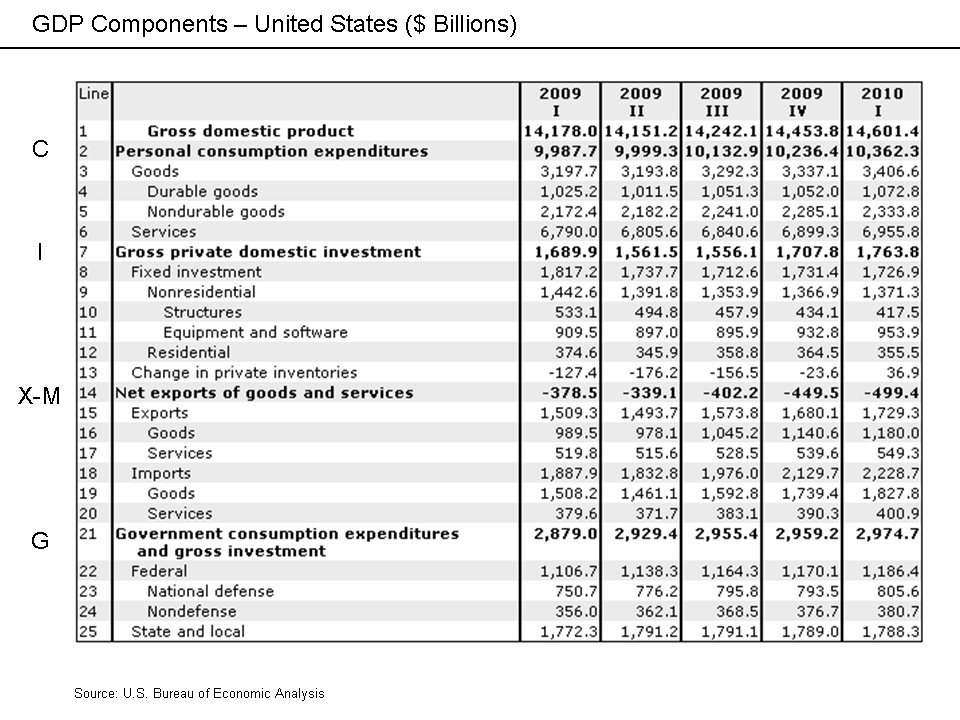
To understand the health of an economy, economists and investors rely on key indicators. These are statistics that act like a doctor's vital signs for the economy. Three of the most important are Gross Domestic Product (GDP), the Consumer Price Index (CPI), and the unemployment rate.
Gross Domestic Product (GDP)
noun
The total market value of all final goods and services produced within a country's borders in a specific time period.
GDP is the broadest measure of a nation's economic activity. When you hear that the economy grew by 2%, it means the GDP increased by that amount. Positive GDP growth suggests businesses are producing more, which usually leads to more jobs and higher incomes.
Next, we have the Consumer Price Index, or CPI. This indicator tracks the average change over time in the prices paid by urban consumers for a basket of consumer goods and services.
Consumer Price Index (CPI)
noun
A measure that examines the weighted average of prices of a basket of consumer goods and services, such as transportation, food, and medical care.
In simple terms, CPI measures inflation. If the CPI goes up, it means the cost of living is rising, and your dollar doesn't stretch as far as it used to. Central banks watch CPI very closely when deciding on interest rate policies.
Unemployment Rate
noun
The percentage of the labor force that is jobless and has been actively looking for work in the past four weeks.
Finally, the unemployment rate is a vital sign of the job market's health. A low rate means that most people who want a job can find one. This is good for workers and indicates that businesses are confident enough in the economy to hire. Together, these indicators provide a snapshot of where the economy stands and where it might be headed.
Time to check your understanding of these core concepts.
What is the primary focus of macroeconomics?
Which key economic indicator is used to measure inflation by tracking the average change in prices for a basket of consumer goods?
Understanding these foundational ideas is the first step for any investor looking to interpret economic news and make smarter decisions.