Macroeconomic Policy Fundamentals
Introduction to Macroeconomic Policy
Steering the Economy
Imagine an economy as a large, complex ship. It doesn't just sail itself. It needs a captain and a crew to navigate through calm seas and stormy weather. Macroeconomic policy is the art and science of steering this ship. The goal isn't just to keep it afloat, but to guide it toward desirable destinations.
What are those destinations? Economists generally agree on three main objectives for a healthy economy:
- Stable Prices: Avoiding rapid inflation (when prices rise too fast) or deflation (when prices fall).
- Full Employment: Ensuring that everyone who wants a job can find one.
- Economic Growth: Steadily increasing the country's output of goods and services over time.
Achieving these goals is a balancing act. Policies that boost growth might also spark inflation. Efforts to control inflation could slow down the job market. It's a constant negotiation between competing priorities.
The Two Main Levers
To steer the economic ship, policymakers have two primary toolkits at their disposal: fiscal policy and monetary policy. Think of them as the ship's rudder and its engine speed control.
Fiscal policy is controlled by the government (like Congress or Parliament). It involves two things: government spending and taxation. When the economy is sluggish, the government might increase spending on projects like roads and bridges or cut taxes to leave more money in people's pockets. Both actions are designed to encourage more spending and boost economic activity.
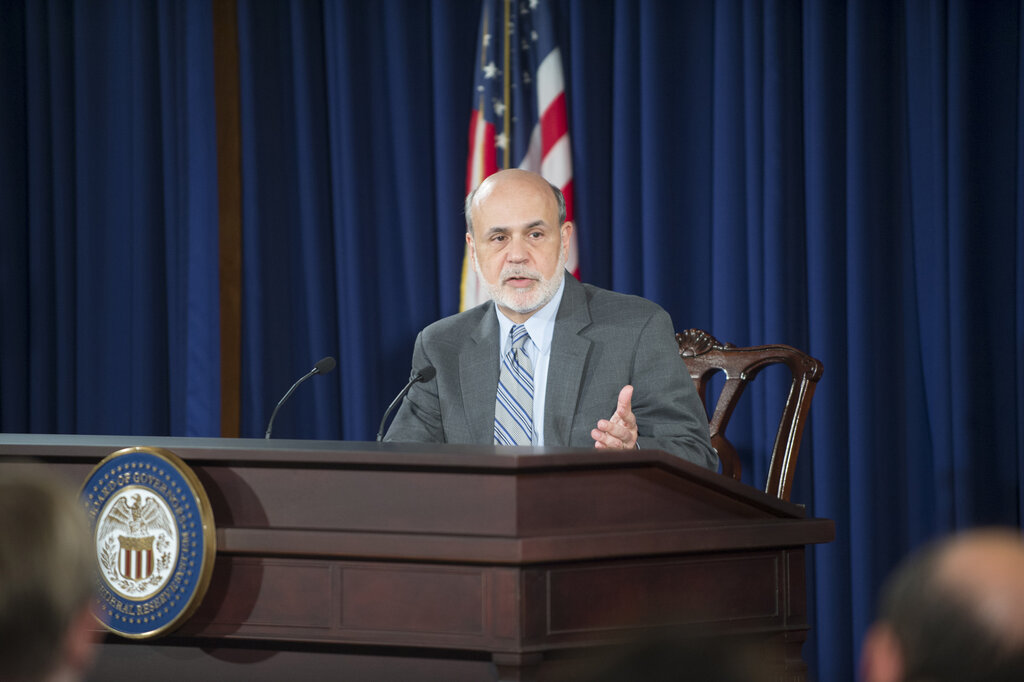
Monetary policy is managed by a country's central bank, like the Federal Reserve in the United States. Its main tools are interest rates and the money supply. To stimulate a slow economy, the central bank can lower interest rates, making it cheaper for businesses and individuals to borrow and spend. To cool down an overheating economy and fight inflation, it can raise interest rates.
Influencing Aggregate Demand
Both fiscal and monetary policy work by influencing something called aggregate demand. This is simply the total demand for all goods and services in an economy at a given price level. When people, businesses, and the government spend more, aggregate demand increases. When they spend less, it decreases.
Aggregate Demand
noun
The total demand for final goods and services in an economy at a given time.
Policies that increase aggregate demand are called expansionary policies. They are used to combat unemployment during a recession.
- Expansionary Fiscal Policy: Lowering taxes or increasing government spending.
- Expansionary Monetary Policy: Lowering interest rates.
Conversely, policies that decrease aggregate demand are called contractionary policies. They are used to fight inflation when the economy is growing too quickly.
- Contractionary Fiscal Policy: Raising taxes or decreasing government spending.
- Contractionary Monetary Policy: Raising interest rates.
Shifting aggregate demand has direct consequences. When expansionary policies shift the curve to the right, businesses produce more to meet the higher demand. This leads to higher economic output (GDP) and more hiring, reducing unemployment. However, this increased demand can also pull prices up, leading to inflation.
When contractionary policies shift the curve to the left, the opposite happens. Reduced demand can slow down the economy, which helps to bring inflation under control. The trade-off is that it might also lead to lower output and potentially higher unemployment.
This is the core challenge of macroeconomic policy: using fiscal and monetary tools to navigate the trade-offs between inflation and unemployment, all while aiming for steady, long-term growth.