Macroeconomic Fundamentals and Societal Well-being
Introduction to Macroeconomics
The Big Picture
Economics is often split into two main branches. One branch, microeconomics, looks at the small details. It studies the decisions of individual people and businesses. Think of it like examining a single tree in a vast forest—how it grows, what affects its health, and how it interacts with the insects and soil around it.
Macroeconomics, on the other hand, steps back to look at the entire forest. It’s the study of the economy as a whole. Instead of focusing on why one person lost their job, macroeconomics asks why the unemployment rate for an entire country is rising or falling. It's not about the price of a single product, but the overall level of prices in the economy.
Macroeconomics, on the other hand, examines the economy as a whole.
This broad view helps us understand the major issues that affect everyone, from the cost of living to the availability of jobs. Macroeconomists analyze the forces that shape national and global economies, like total output, employment levels, and inflation.
| Microeconomics | Macroeconomics |
|---|---|
| Focuses on individual markets | Focuses on the whole economy |
| Analyzes individual & firm behavior | Analyzes aggregate behavior |
| Studies supply and demand for a single good | Studies aggregate supply and demand |
| Examines prices of specific products | Examines the overall price level (inflation) |
| Asks why a person buys a car | Asks why car sales are rising nationwide |
What Are We Aiming For?
Macroeconomics isn't just about observing the economy; it's also about figuring out how to make it better. Economists and policymakers generally focus on three main goals when assessing the health of an economy.
- Economic Growth: The economy should produce more goods and services over time. When an economy grows, living standards tend to rise. This means more opportunities and resources for everyone.
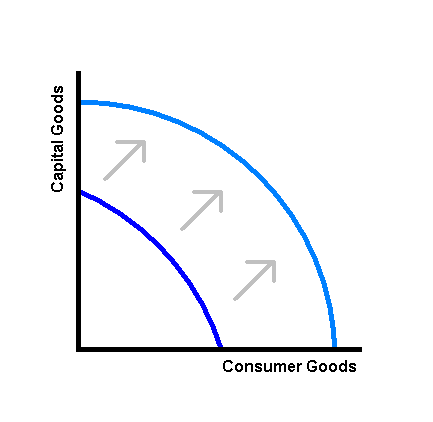
- Low Unemployment: A healthy economy provides jobs for people who want to work. High unemployment means a country isn't using its resources—its people—to their full potential. This is not only bad for those without jobs but also for the economy as a whole.
- Price Stability: Rapidly rising prices, known as inflation, can create uncertainty and erode the value of people's savings. A key goal is to keep prices stable, or growing at a slow, predictable rate. This helps businesses and households plan for the future.
These three goals are the pillars of macroeconomic policy. Governments and central banks use various tools to try and steer the economy toward growth, full employment, and stable prices. However, these goals can sometimes conflict. For example, pushing for very fast growth might lead to higher inflation. Macroeconomics helps us understand these trade-offs and make informed decisions about how to manage them.
Now that we've seen the big picture, let's test your understanding of these core ideas.
Which of the following topics falls under the study of macroeconomics?
A study examining how an increase in the minimum wage affects a single restaurant's hiring decisions is an example of microeconomics.
Understanding these fundamental concepts is the first step in analyzing the complex forces that shape our economic world.