Macro Moody Photography Secrets
Introduction to Macro Photography
Exploring the Tiny World
Macro photography is the art of taking pictures of small things up close. It reveals intricate details that are often invisible to the naked eye. Think of the complex patterns on an insect's wing, the delicate structure of a snowflake, or the tiny droplets of dew on a flower petal. This style of photography transforms the ordinary into the extraordinary, allowing us to explore a hidden world that's all around us.
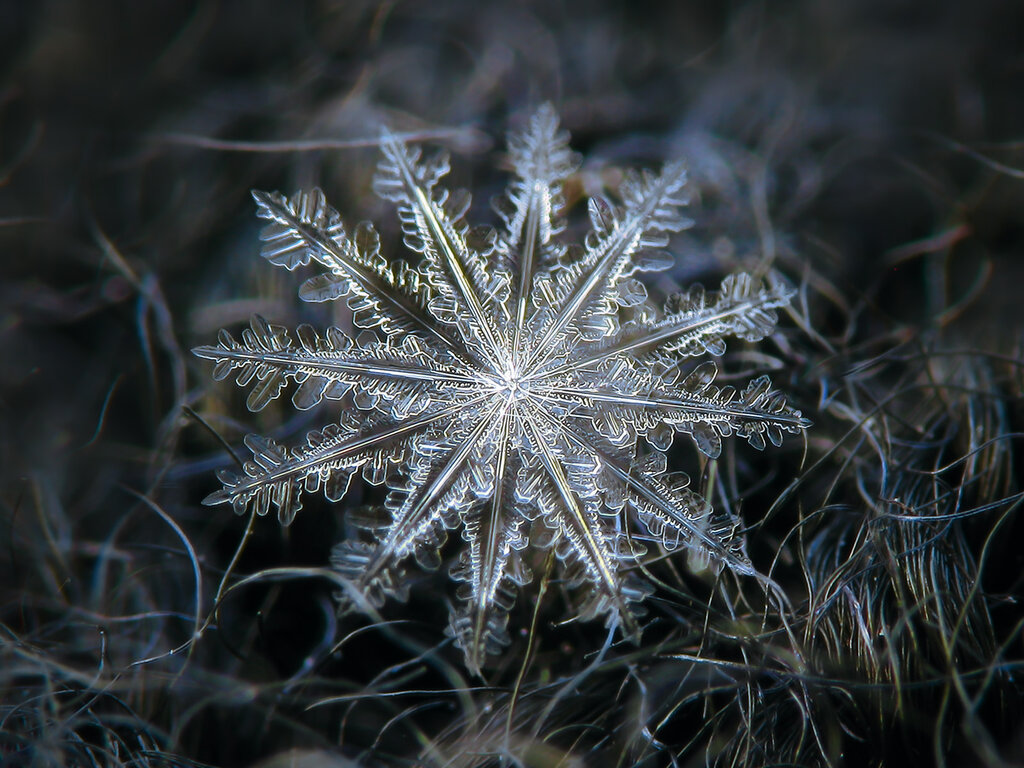
Macro photography is the best way to capture minuscule details, allowing you to explore a tiny, hidden world that would otherwise go unnoticed.
The goal isn't just to get close, but to magnify the subject, making it appear larger in the final image than it is in real life. This brings a new perspective to familiar objects and uncovers the beauty in the minuscule.
The Rule of Magnification
What officially makes a photo "macro"? It comes down to the magnification ratio. This ratio compares the size of the subject's image projected onto the camera sensor to the subject's actual size in the real world.
True macro photography begins at a 1:1 magnification ratio. At this ratio, an object that is 10mm long in reality will also be projected as 10mm long on the camera's sensor. It's life-size.
Many lenses labeled "macro" don't actually achieve a 1:1 ratio. They might offer 1:2 (half life-size) or 1:4 (quarter life-size). While these are great for close-ups, a dedicated macro lens that can hit that 1:1 mark is what unlocks the most dramatic results. Some specialized lenses can even go further, reaching magnifications of 2:1 or 5:1, making tiny subjects look enormous.
Common Challenges
Getting stunning macro shots involves overcoming a few unique hurdles. The three biggest are a shallow depth of field, lighting, and stability.
Shallow Depth of Field Depth of field (DOF) is the area of your photo that appears sharp and in focus. The closer you get to your subject, the shallower this area becomes. In macro photography, the DOF can be razor-thin, sometimes less than a millimeter. This means that if you focus on an insect's eye, its antennae might be completely blurry. While this can be used creatively to isolate a subject, getting the most important details sharp requires careful focus and technique.
If you have ever used a macro lens before, you probably know how shallow the depth of field is.
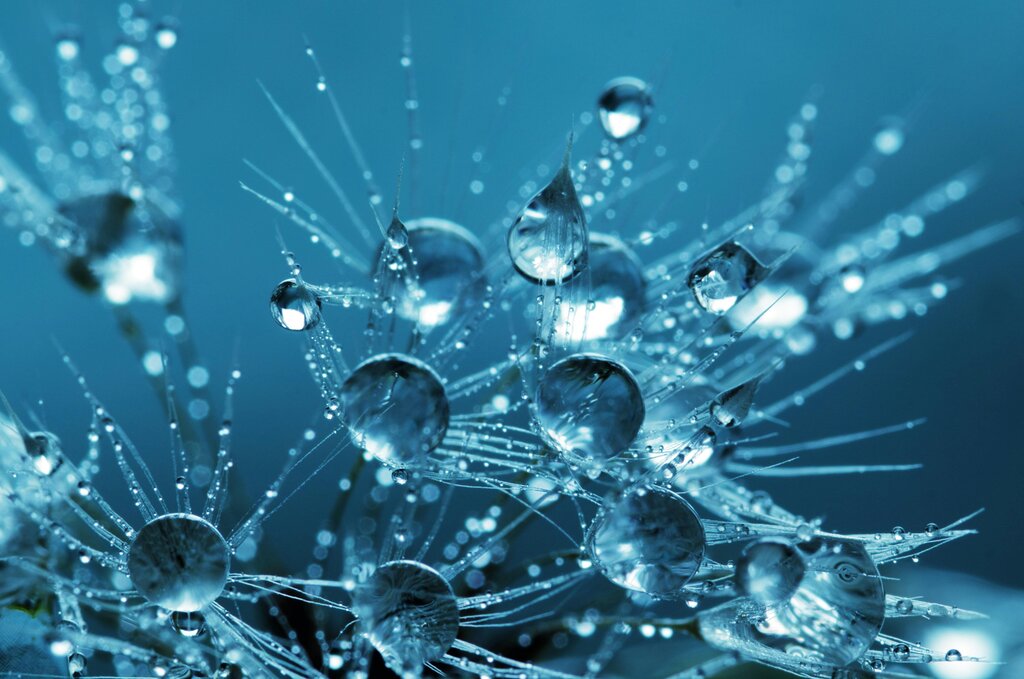
Lighting When your lens is just inches from your subject, it can easily block the available light, casting unwanted shadows. Getting enough light to properly expose the shot without harsh glare can be tricky. Photographers often use external light sources like flashes or ring lights to illuminate their tiny subjects evenly.
Stability At high magnifications, the tiniest movement is amplified. A slight hand shake that would go unnoticed in a normal photo can turn a macro shot into a blurry mess. The same goes for your subject; a gust of wind moving a flower or an insect twitching can ruin the focus. Using a sturdy tripod and a remote shutter release helps keep the camera perfectly still, ensuring your images are as sharp as possible.
Now, let's test your understanding of these core concepts.
What is the primary goal of macro photography?
What magnification ratio is the standard for a photograph to be considered 'true macro'?
Mastering these fundamentals is the first step toward capturing incredible close-up images.