Machining Strategies Explained
Introduction to Machining
Shaping the World by Subtraction
At its core, machining is a process of controlled removal. Imagine starting with a solid block of material, like wood or metal, and carving away everything that isn't your final part. It’s a form of subtractive manufacturing, where you start with more and end with less. This is the opposite of processes like 3D printing, which add material layer by layer.
The goal of machining is to transform a raw piece of material into a finished part with a precise shape, size, and surface texture.
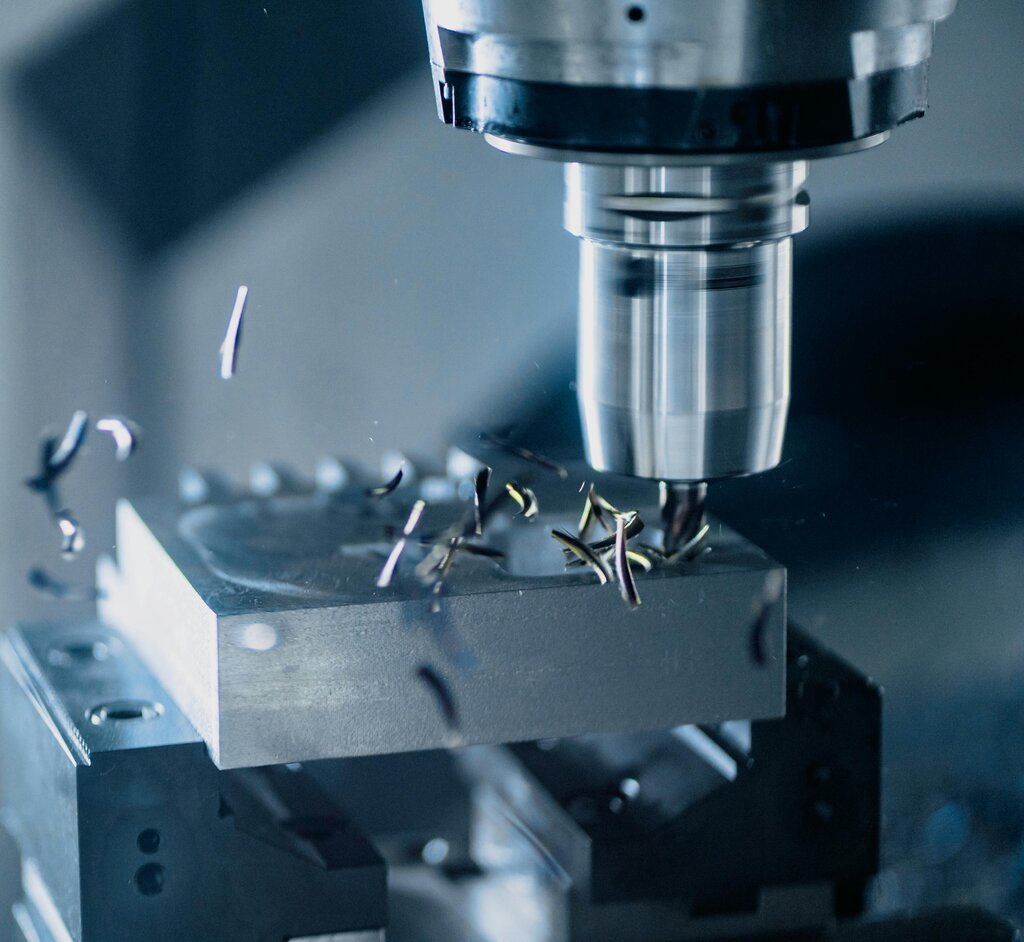
This process is all around us. The metal case of your phone, the engine block in a car, and the intricate gears in a watch are all products of machining. It’s the method we use to create strong, precise components that are essential for modern technology. The piece of material you start with is often called the workpiece, and the small pieces that are cut away are called chips or swarf.
Common Materials
You can machine a wide variety of materials, but some are more common than others. The choice depends on the final application of the part, considering factors like strength, weight, and cost.
| Material Category | Examples | Common Uses |
|---|---|---|
| Metals | Aluminum, Steel, Titanium, Brass | Engine parts, aircraft frames, tools, plumbing fittings |
| Plastics | ABS, Polycarbonate, Nylon | Prototypes, enclosures, gears, consumer products |
| Composites | Carbon fiber, Fiberglass | Aerospace components, high-performance sports equipment |
| Wood | Hardwoods, Softwoods | Furniture, architectural models, decorative items |
Metals are the most frequently machined materials due to their strength and durability. Aluminum is popular because it’s lightweight and easy to cut. Steel is used for its toughness and affordability. Titanium is valued in aerospace and medical implants for its high strength-to-weight ratio and resistance to corrosion, though it's more challenging to machine.
Why Machining Matters
Machining is a cornerstone of modern manufacturing for several key reasons. First and foremost is precision. Machining processes can achieve incredibly tight tolerances, meaning the dimensions of the final part can be controlled to within fractions of a millimeter. This level of accuracy is critical for parts that need to fit together and function perfectly, like the components of a jet engine or a surgical instrument.
Second, machining produces parts with excellent mechanical properties. Because the parts are carved from a solid block, they don't have the internal weaknesses or inconsistencies that can sometimes occur in casting or 3D printing. The resulting components are strong, solid, and reliable.
Finally, machining is versatile. It can be used for one-off custom parts, rapid prototypes, or mass production of millions of identical items. From the tiniest screw to massive industrial turbine blades, machining provides a way to create the foundational components of our world.
Let's check your understanding of these fundamental concepts.
Machining is considered a form of subtractive manufacturing.
What is the primary reason machining is used for components in a jet engine or surgical instruments?
Understanding these basics sets the stage for exploring the specific techniques used to shape our world.